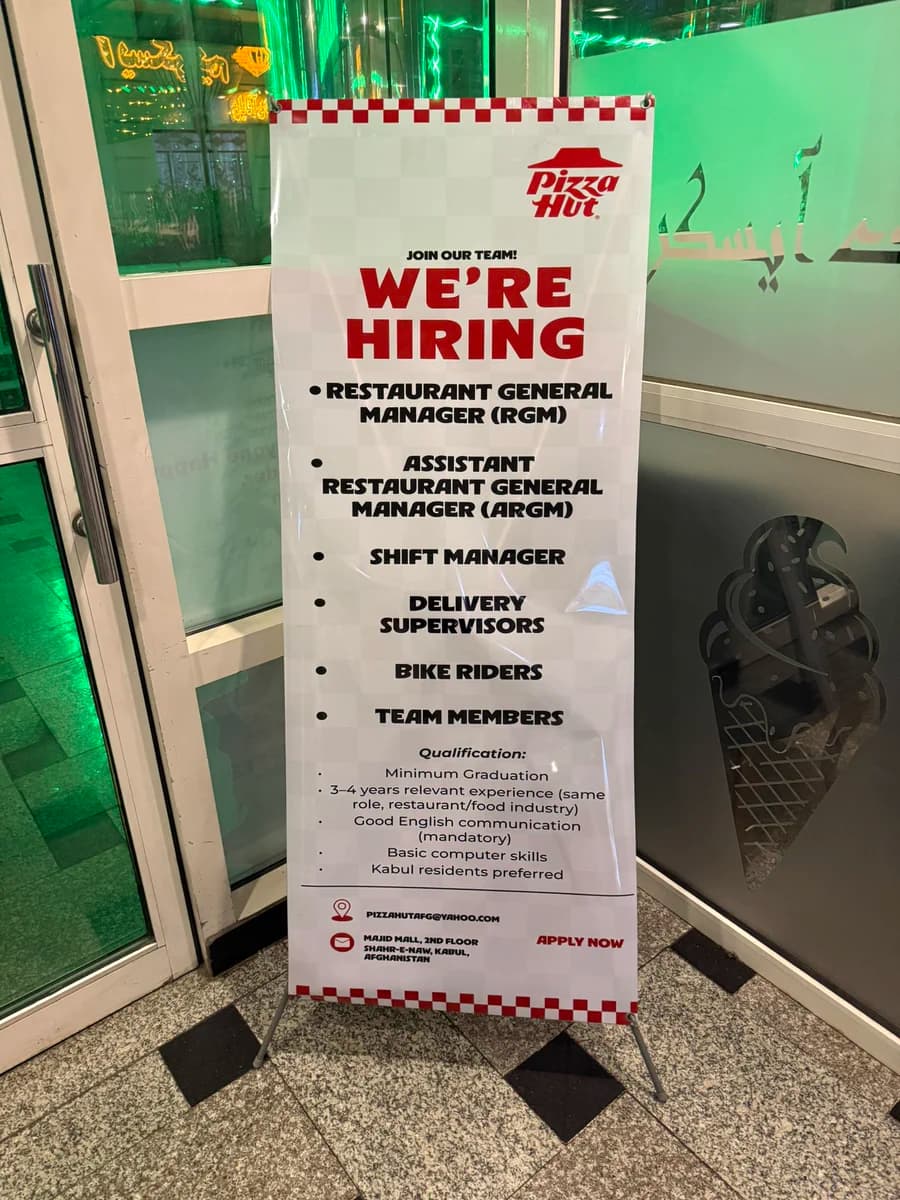
Pizza Hut keeps thousands of restaurants open past midnight
Pizza Hut is keeping thousands of U.S. restaurants open past midnight, and the real impact falls on scheduling, safety, and closing crews.
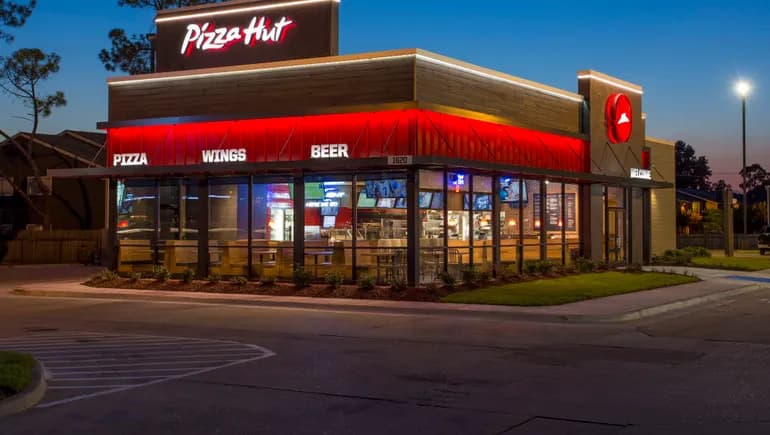
On Oct. 18, 2023, Pizza Hut announced that thousands of U.S. locations would extend into the late-night daypart. Pizza Hut says “the majority of our restaurants are open to 11pm or later, with thousands of locations open till midnight or the wee morning hours,” and some individual stores are listed past midnight on certain days.
Why Pizza Hut wants the late-night daypart
Pizza Hut has been blunt about the target customer: younger diners and late-night households looking for an easy order after other restaurants have shut down.
The company’s messaging is built around cravings and convenience. It framed the push as a way to “satisfy cravings around the clock,” and Pizza Hut’s late-night language also calls pizza the “perfect cure for late-night cravings.” Late-night business is usually less about a sit-down experience and more about speed, predictability, and getting the right food out fast enough that the customer does not switch to another chain or a third-party delivery app.
What longer hours mean for managers
For restaurant managers, midnight service is a labor plan, not a marketing slogan. The shift now has to cover the final dinner wave, the slow decline into late night, and the cleanup work that still has to happen before the store can reset for the next day.
That means staffing for people willing to close late, making sure the line can still produce quality food when energy is low, and deciding whether the store needs different coverage for carryout and delivery. The burden is not identical everywhere, because some units are open until midnight while select locations run as late as 2 a.m., so a suburban store, a campus-market store, and a high-volume urban unit may each need a different late-night roster.
There is also a simple operational risk: longer hours do not guarantee better results if labor and inventory are not lined up with demand. A store that stays open later without enough crew or enough product on hand can burn labor, slow service, and still lose sales to faster competitors.
What it means for drivers after dark
Late-night hours can be good news for drivers in markets where the ticket count stays strong. More late-night carryout and delivery can mean more runs when other restaurants and apps have already gone quiet, which is exactly when drivers can sometimes pick up better volume.
The downside is just as concrete. After-dark delivery raises concerns about safety, fatigue, and how much support is still in the building when a driver comes back from a run. If a store stays open past midnight, managers have to think about dispatch coverage, parking lot conditions, late-night handoffs, and whether a lone driver is being sent out into a shift that no longer has the same level of backup as dinner service.
Pizza Hut’s move also sits in a wider fight with third-party delivery apps that have changed how people order pizza at night. When customers are choosing between a branded driver and an app-based alternative, the late-night store has to be organized enough to win on speed and reliability, not just on availability.
What kitchen crew can expect
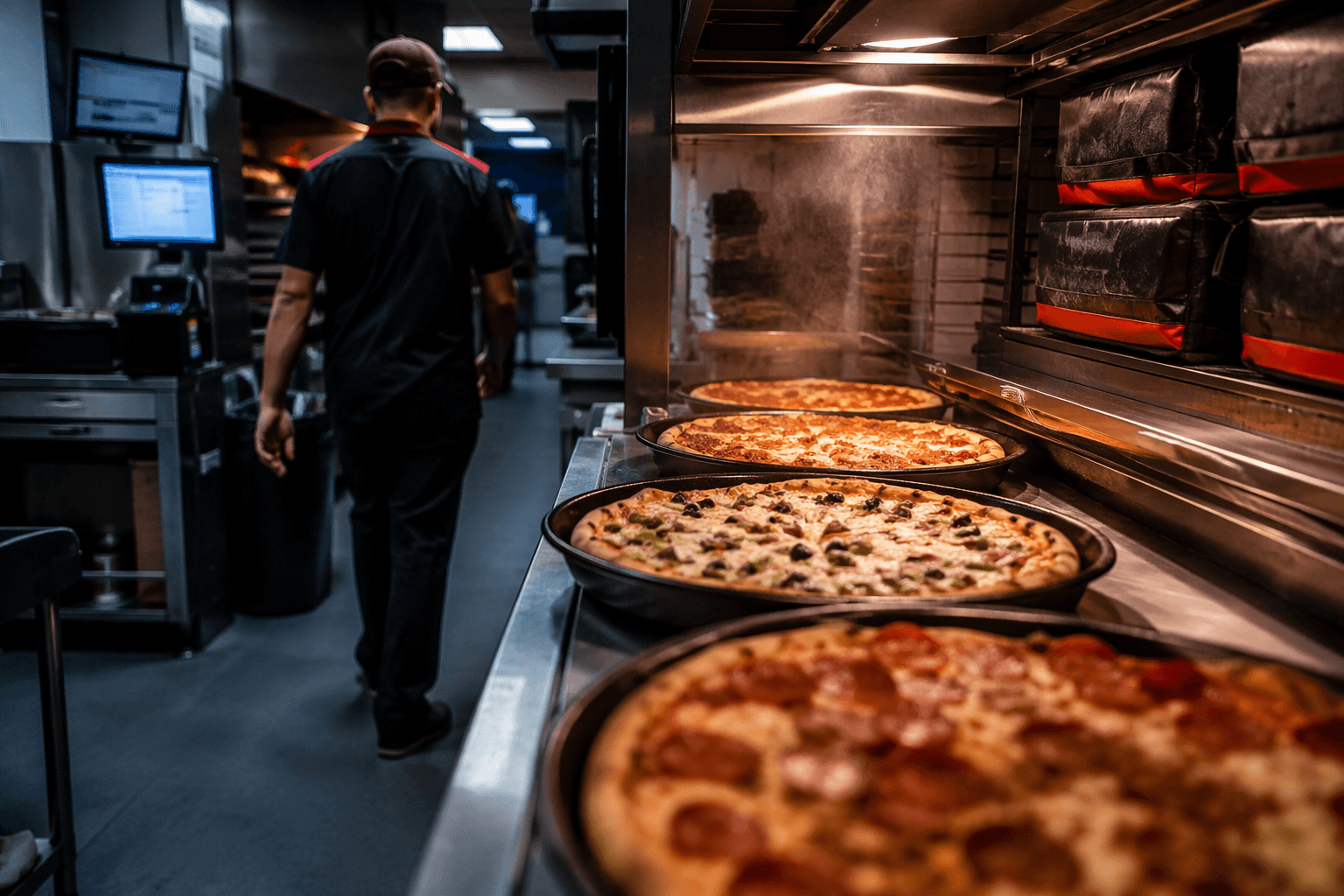
For kitchen crew, the biggest change is often the simplest one: more tickets when the shift is already wearing down. Late-night orders tend to come from customers who want something quick and easy, which means line discipline matters more, not less, when the room is calmer and the staff is thinner.
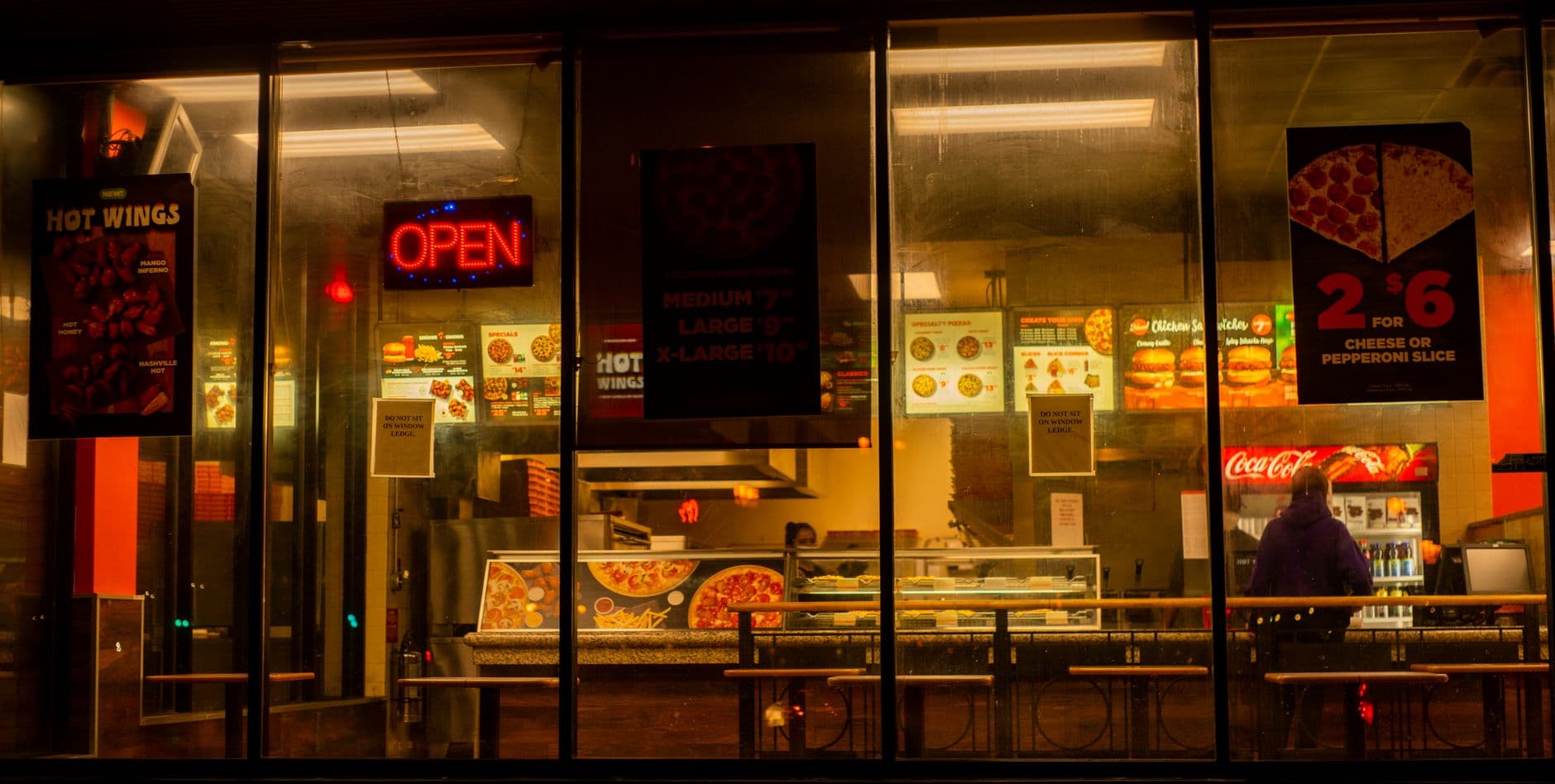
That puts extra weight on training and consistency. If the store is still sending out pizzas past midnight, crew members have to keep dough handling, topping accuracy, cut time, and make-line rhythm steady even when the last hour of the shift feels like overtime in every sense. The extra daypart can create more hours, but it can also stretch the same team across a longer, more tiring close.
Why this matters beyond Pizza Hut
Late-night service is becoming a more deliberate growth strategy across the restaurant business, partly because many operators cut hours after the pandemic and never fully restored them.
For franchise operators, the key question is whether the late-night traffic reliably covers the added payroll and the extra wear on the team. For the people on the floor, the answer shows up in the schedule, the parking lot, the driver board, and the close sheet long before it appears in sales.
This article was produced by Prism’s automated news system from verified source data, official records, and press releases, then run through automated quality and moderation checks before publishing. The system is built and supervised by the people who set the standards it runs under. Read our full AI policy.
Did this article answer your question?