Pizza Hut leads fast-food closures as U.S. restaurant map shifts
Pizza Hut cut 426 U.S. stores, the steepest drop in the dataset, while Chipotle added 359. That shrinkage can hit hours, transfers and delivery zones first.
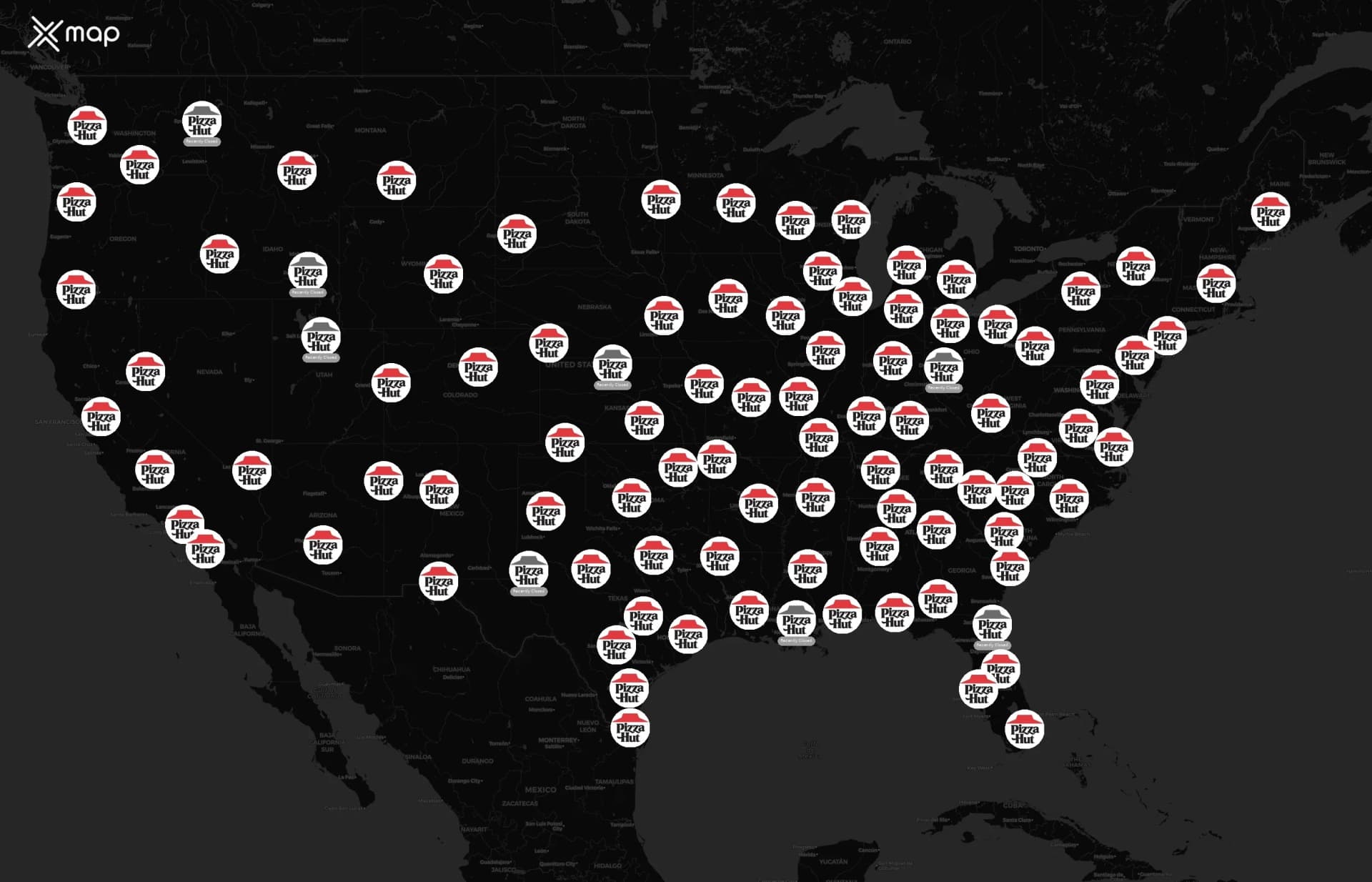
Pizza Hut is showing up as the clearest loser in a fast-food map that is still being redrawn. A comparison of store locators taken about a year apart found the chain shed 426 restaurants, a 6.4% drop that made it the biggest decliner in the group, while Chipotle added 359 locations and grew 9.7%.
That matters far beyond a ranking. Yum Brands had already said it would close 250 underperforming U.S. locations in the first half of 2026, and the unit count suggests the pullback was underway before the public announcement reached employees in detail. In a Pizza Hut system, closures usually do not start with a headline. They show up first in tighter schedules, fewer hours for part-timers, slower transfer opportunities, and more pressure on managers to keep labor in line as weak stores get folded into stronger ones.
The operational clues are the ones workers feel before corporate explains them. Delivery zones get stretched as nearby stores disappear, which can boost order volume without bringing matching staffing. Crew members may see more emphasis on speed, accuracy and guest satisfaction at stores judged worth keeping, while weaker locations can lose support for equipment upgrades, bench depth and advancement. For drivers, the math can change fast: a broader delivery radius can mean more miles, longer runs and different tip patterns even when the store name on the apron stays the same.
Pizza Hut is not the only chain losing ground. Wendy’s, Subway, KFC and Denny’s also lost units in the same analysis, while some brands expanded. But Pizza Hut’s 426-store contraction stands out because it points to a business model under strain in exactly the places workers notice first: franchise economics, labor costs, and the real estate decision about which stores still justify investment. In practical terms, that means managers in shrinking markets need to watch for reassigned staff, compressed shifts and delayed advancement, while crew and drivers should treat sudden changes in hours or delivery territory as a warning that a location is being measured more aggressively than it is being celebrated.
This article was produced by Prism’s automated news system from verified source data, official records, and press releases, then run through automated quality and moderation checks before publishing. The system is built and supervised by the people who set the standards it runs under. Read our full AI policy.
Did this article answer your question?