Pizza Hut managers brace for July 1 minimum wage changes
July 1 wage hikes can raise Pizza Hut labor costs and trip up payroll, tip math and posting rules. Managers need to verify local minimums before the first new pay run.
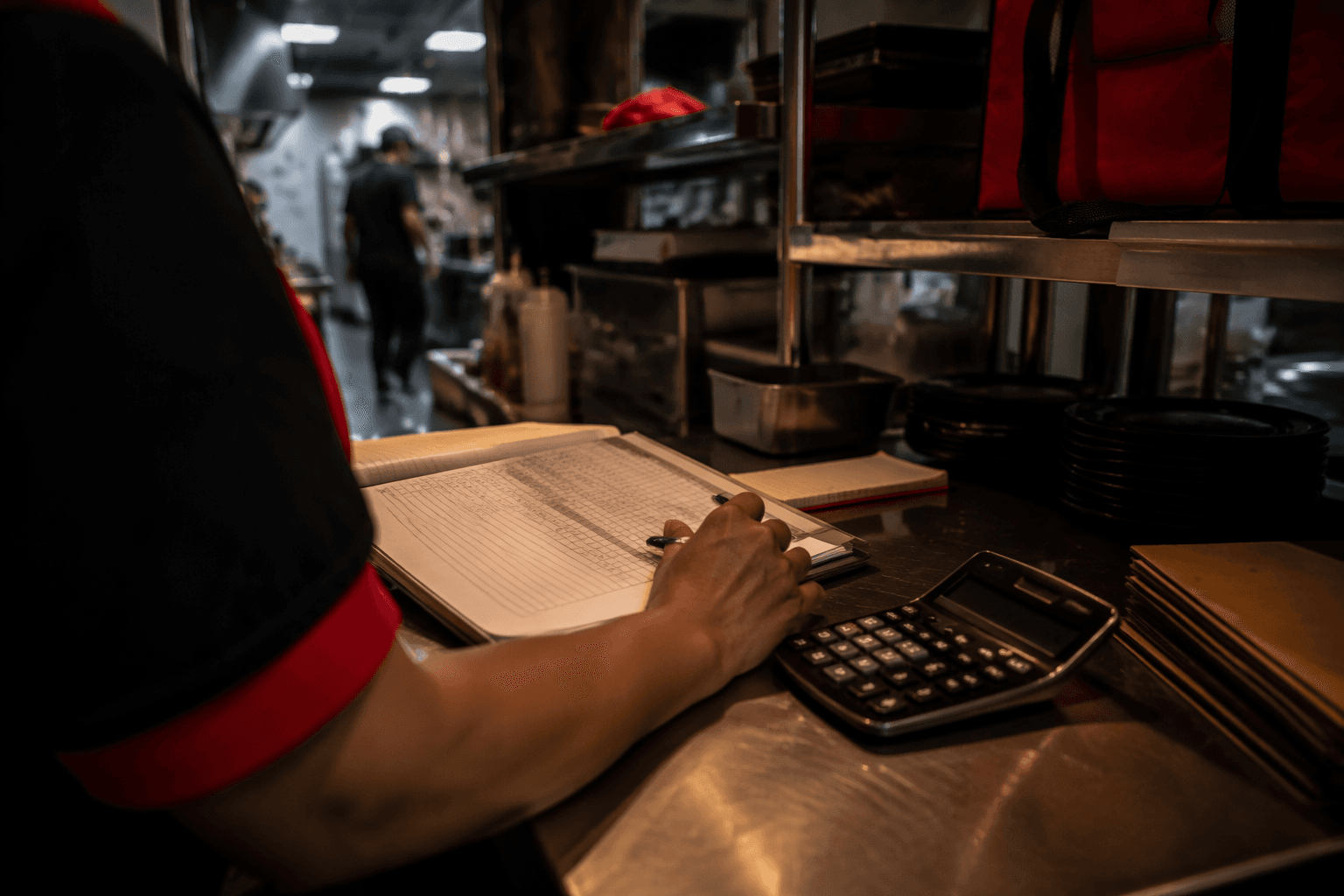
On July 1, wrong wage tables, payroll settings, or posted notices can raise labor costs, create shift coverage gaps, and expose Pizza Hut stores to back pay. The most vulnerable stores are the ones that split work between drivers, tipped staff, and cross-trained kitchen crews, because one location can carry more than one wage rule at the same time.
What changes matter most for Pizza Hut
Restaurant operators cannot assume January was the only reset date. Workstream’s June 25 roundup on July 1 workplace laws targets multi-location QSR and franchise operators, and Fisher Phillips’ June 12 employer cheat sheet flagged the halfway point of the year as another round of workplace changes. Crunchtime identified mid-year minimum-wage increases in several states and more than 20 local jurisdictions, while Stateline counted more than 20 cities and states with July increases. The National Employment Law Project tracked 68 cities, counties, and states that raised minimum wages on January 1 and 26 more set to lift pay later in 2026.
The federal floor still sits at $7.25 per hour under the Fair Labor Standards Act, but that number gives restaurant managers very little room to work with in practice. The floor has lost 30% of its purchasing power since 2009, Stateline found. Local rules now matter more than the national baseline in many Pizza Hut markets. For a chain with franchise ownership, local management, and delivery-heavy shifts, the result is a patchwork system that has to be mapped store by store.
Where the pressure lands inside a store
The first place July 1 changes hit is labor budgeting. If a market raises its minimum wage, managers have to decide whether to absorb the extra cost, trim hours, or rework scheduling before the first new pay cycle lands. That can affect everything from close shifts to delivery coverage, especially in stores already competing with DoorDash and Uber Eats for workers who can choose gig work over a fixed roster.
Payroll setup is the next weak point. Managers need to update wage tables, confirm pay-rate changes in payroll systems, and make sure overtime calculations reflect the new base rate. That matters at Pizza Hut because one store may have drivers on one pay structure, inside crew on another, and tipped employees under a different rule again. If a manager leaves the old rate in place, the error can spread across regular wages, overtime, and reimbursement math before anyone notices.
Posting requirements and supervisor training are part of the same job. Store leaders need to verify that required notices are current, that employees know which rate applies to them, and that supervisors can answer paycheck questions before they turn into complaints. That is especially important in restaurants where workers are cross-trained and may move between driver, make-line, and front-counter work in a single shift.
A July 1 checklist for store leaders
- Update each store’s wage table by address, not by brand or state. Different Pizza Hut units can fall under different city, county, or state rules even within the same state.
- Recheck tipped employee treatment, tip credit rules, and any local wage floor that applies to tipped or subminimum workers. The rule that applies in one market may not apply in the next town over.
- Confirm overtime calculations are tied to the new hourly base rate. A higher minimum wage changes the cost of overtime immediately.
- Refresh payroll settings before the first July pay run. One missed rate can create back-pay exposure across an entire pay period.
- Make sure required posters and notices are up to date in stores, back offices, and any digital posting system used by the franchise.
- Brief shift supervisors on how to answer employee questions about pay changes, because paycheck confusion often starts at the store level.
Why California, D.C. and Chicago matter as examples
California shows why a single statewide answer is not enough. The state minimum wage was $16.90 per hour effective January 1, 2026, but covered fast-food employees have had a $20 per hour minimum since April 1, 2024 under AB 1228. On top of that, some California cities and counties maintain higher local minimum wages, so a Pizza Hut manager there has to verify the store’s exact jurisdiction before assuming the base rate is right.
Washington, D.C. offers another clear example of the midyear squeeze. The District’s minimum wage rose from $17.95 to $18.40 per hour beginning July 1, 2026, which means payroll for every covered worker had to reflect the new rate immediately. Chicago adds another layer because its Minimum Wage Ordinance adjusts every July 1, turning compliance into a recurring summer task rather than a once-a-year review.
If labor costs jump and the schedule is not adjusted, managers may find themselves short on peak coverage or forced to make last-minute cuts. In a delivery business, that can mean longer wait times, more stress on the kitchen line, and more friction with drivers who already face strong gig-economy competition.
Why delivery drivers deserve special attention
A 2020 lawsuit involving Pizza Hut delivery drivers alleged unreimbursed vehicle expenses and unpaid minimum wage for non-delivery tasks.
For drivers, the key questions are whether hourly base pay, tip handling, and reimbursement rules are being applied correctly. For kitchen crew, the issue is whether cross-trained hours and overtime are still being calculated under the right floor. Managers need to verify the right wage rule, reset payroll, and train supervisors before the first July pay cycle.
This article was produced by Prism’s automated news system from verified source data, official records, and press releases, then run through automated quality and moderation checks before publishing. The system is built and supervised by the people who set the standards it runs under. Read our full AI policy.
Did this article answer your question?