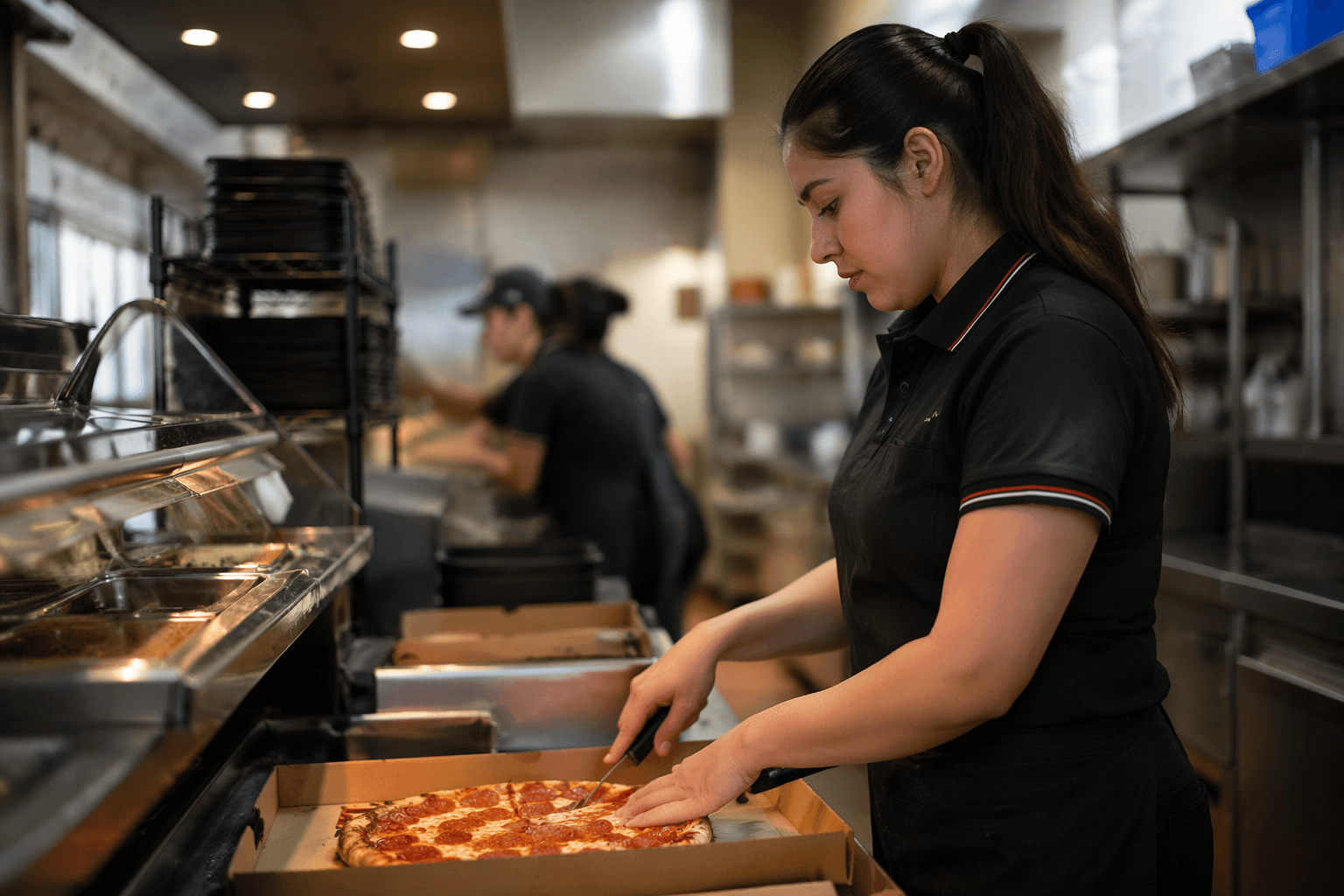
Pizza Hut managers can cut wait times with smarter order flow
Smarter order flow can shave minutes off Pizza Hut waits, but the bigger win is calmer shifts, cleaner handoffs, and fewer mistakes at every channel.
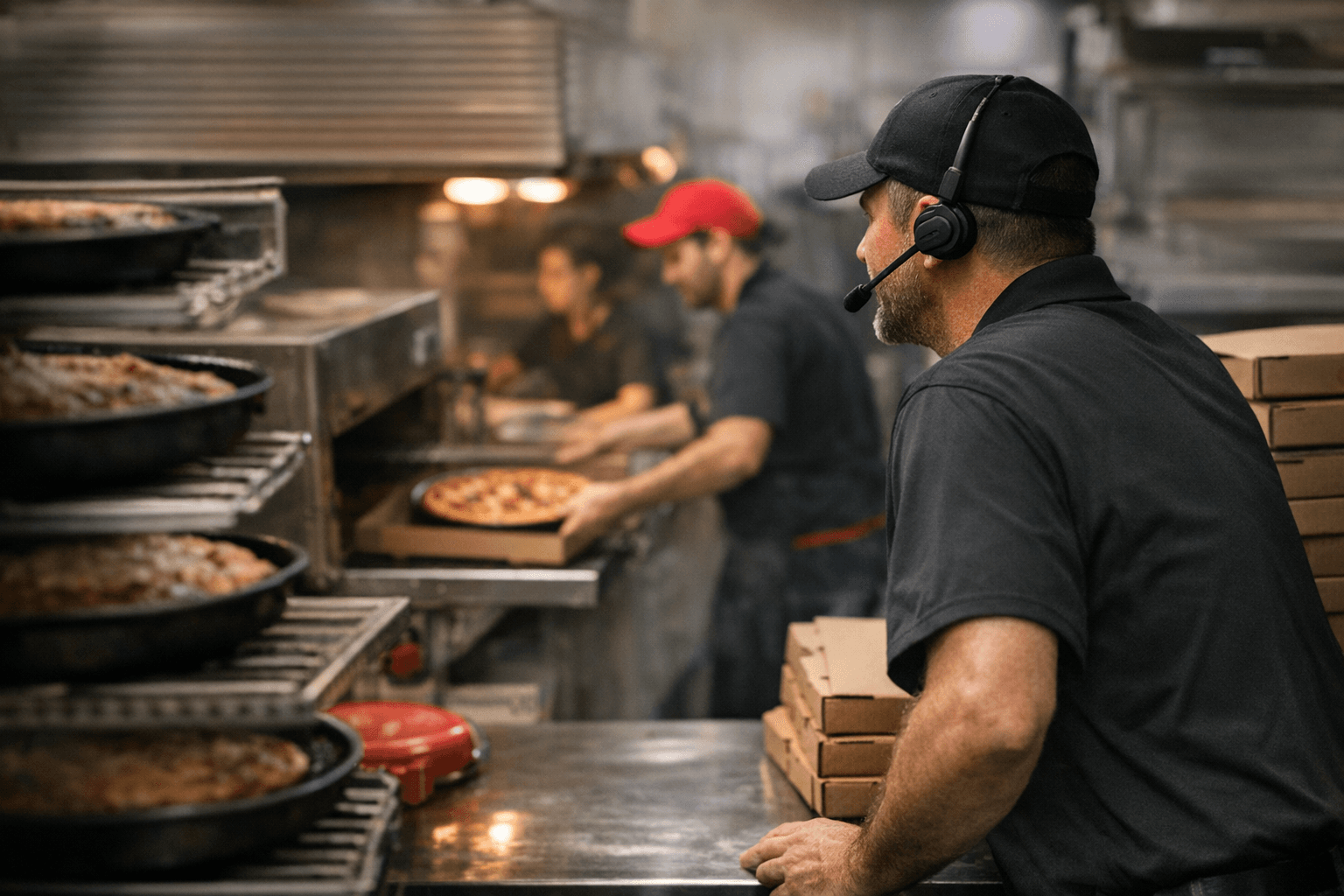
Smarter order flow is a labor strategy, not just a speed trick
At Pizza Hut, a late ticket is rarely just a late ticket. It can mean a driver waiting at the cut table, a makeline getting jammed up by a surprise rush, or a manager trying to explain why delivery, carryout, and dine-in all collided at once. Yum! Brands says Pizza Hut U.S. migrated to the Byte Kitchen & Delivery platform, and that shift improved retention rates, consumer experience, and wait times by up to five minutes. That matters because in a pizza shop, five minutes is often the difference between a smooth handoff and a shift that starts slipping.
The real lesson for managers is that order flow is a people issue as much as a kitchen issue. When the system is clear, the crew gets fewer ticket surprises, delivery drivers spend less time standing around, and the front counter does not become a bottleneck. When it is messy, the stress spreads fast: call-ins stack up against app orders, curbside requests arrive at the same moment as third-party aggregator tickets, and the team starts improvising under pressure.
Pizza Hut runs on multiple channels at once
Pizza Hut’s modern operation is built for a store that never handles just one kind of order. The brand’s U.S. app promotes delivery, takeout, curbside pickup, contactless ordering, order tracking, rewards, and future orders up to seven days in advance. Traditional locations also offer delivery, carryout, and dine-in, which means the same crew may be serving a family walk-in, a pickup customer, and a delivery wave within the same hour.
That channel mix is exactly why order flow deserves attention from managers. A kitchen that can see the full picture is better equipped to sequence production, keep the makeline from getting buried, and make sure the right order reaches the right handoff point. For drivers, that means fewer dead minutes and better route efficiency. For inside teams, it means less chaos when multiple channels hit the store at the same time.
The technology only works if the process works
Yum! Brands says Byte by Yum! is designed to unify mobile app and web ordering, point of sale, kitchen and delivery optimization, menu management, inventory and labor management, and team member tools. That is a much bigger promise than a faster screen. It is meant to connect the whole store so the order path is visible from the moment a customer taps in until the food leaves the building.
But technology is only one part of the fix. The research points to three essentials for a more efficient kitchen: clear communication, optimized layout, and order-management technology. A smart dashboard can help route work, but it cannot rescue a bad line setup or a crew that does not trust the process. If the make table, oven flow, and handoff station are fighting each other, the software is just another layer of noise.
For managers, that is the important correction. The goal is not automation for its own sake. The goal is a calmer shift with fewer mistakes, fewer re-fires, and fewer moments where the team learns about a problem only after the customer is already waiting.
Why the wait-time cut matters on the floor
Yum! said the Byte Kitchen & Delivery migration produced improvements in consumer experience, including up to a five-minute reduction in wait time. In a restaurant with delivery, carryout, and dine-in all moving at once, that kind of reduction can change the rhythm of the whole day. A shorter wait does not just help the guest at the counter. It also helps the driver who is trying to stay on time, the expediter who is juggling multiple bags, and the manager who is trying to keep the lobby from backing up.
That is especially important in a delivery business where speed shapes earnings. If orders are ready when drivers arrive, they can move faster, complete more runs, and spend less time absorbing the cost of a stalled handoff. If the kitchen is disorganized, the driver becomes the buffer for a problem they did not create, and the whole store feels slower. Smooth order flow protects the people closest to the customer from carrying the full cost of breakdowns behind the line.
Pizza Hut’s history makes the point sharper
Pizza Hut has long treated ordering innovation as part of its identity. The company says it was the first national chain to offer online delivery ordering, and Yum! says the brand began in 1958 and now operates more than 19,000 restaurants in 108 countries. That scale explains why process discipline matters so much: a small friction point in one store becomes a pattern when it is repeated across thousands of locations.
The brand’s franchise training model reinforces that point. Pizza Hut says franchise operations training runs 8 to 12 weeks in a certified training restaurant in Plano, Texas. That is a reminder that execution is supposed to be trained, practiced, and standardized, not improvised on a Friday night when the queue gets long. If order flow is part of the system, then training has to teach people how to read the flow, not just how to make the pizza.
What stronger order flow changes for the crew
The best order systems do more than speed up the ticket. They reduce uncertainty. Crew members can plan the line better when they know what is coming, and managers can staff more intelligently when labor tools are tied to ordering patterns. That matters at Pizza Hut because the business is built around overlapping demands, not one clean stream of customers.
A better flow also improves morale in ways that are easy to overlook. Fewer surprises mean fewer shouted corrections across the kitchen. Clearer handoffs mean fewer arguments about which order is missing or why a driver is still waiting. And when the store runs more calmly, the job feels less like damage control and more like a process the team can actually control.
For Pizza Hut managers, the takeaway is straightforward: the fastest kitchen is not always the loudest one. The stronger operation is the one where digital ordering, labor planning, layout, and handoff all work together, so the crew can keep the shift moving without burning people out in the process.
This article was produced by Prism’s automated news system from verified source data, official records, and press releases, then run through automated quality and moderation checks before publishing. The system is built and supervised by the people who set the standards it runs under. Read our full AI policy.
Did this article answer your question?