Pizza Hut managers tackle staffing crunch with flexible hiring strategies
Pizza Hut's staffing crunch still rewards speed, clear schedules and real career paths. Stores that make the shift workable keep drivers and cooks longer than those that only post openings.
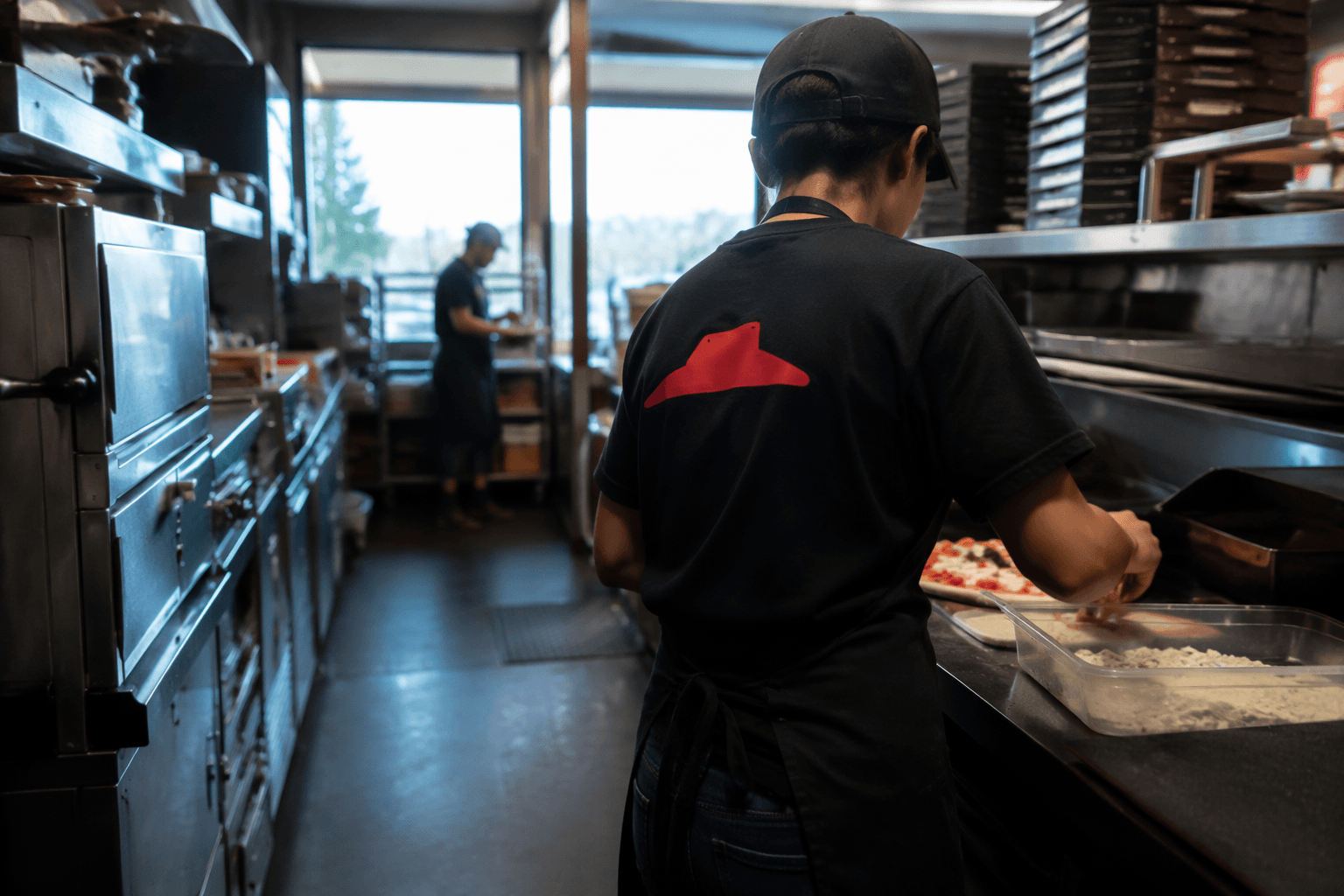
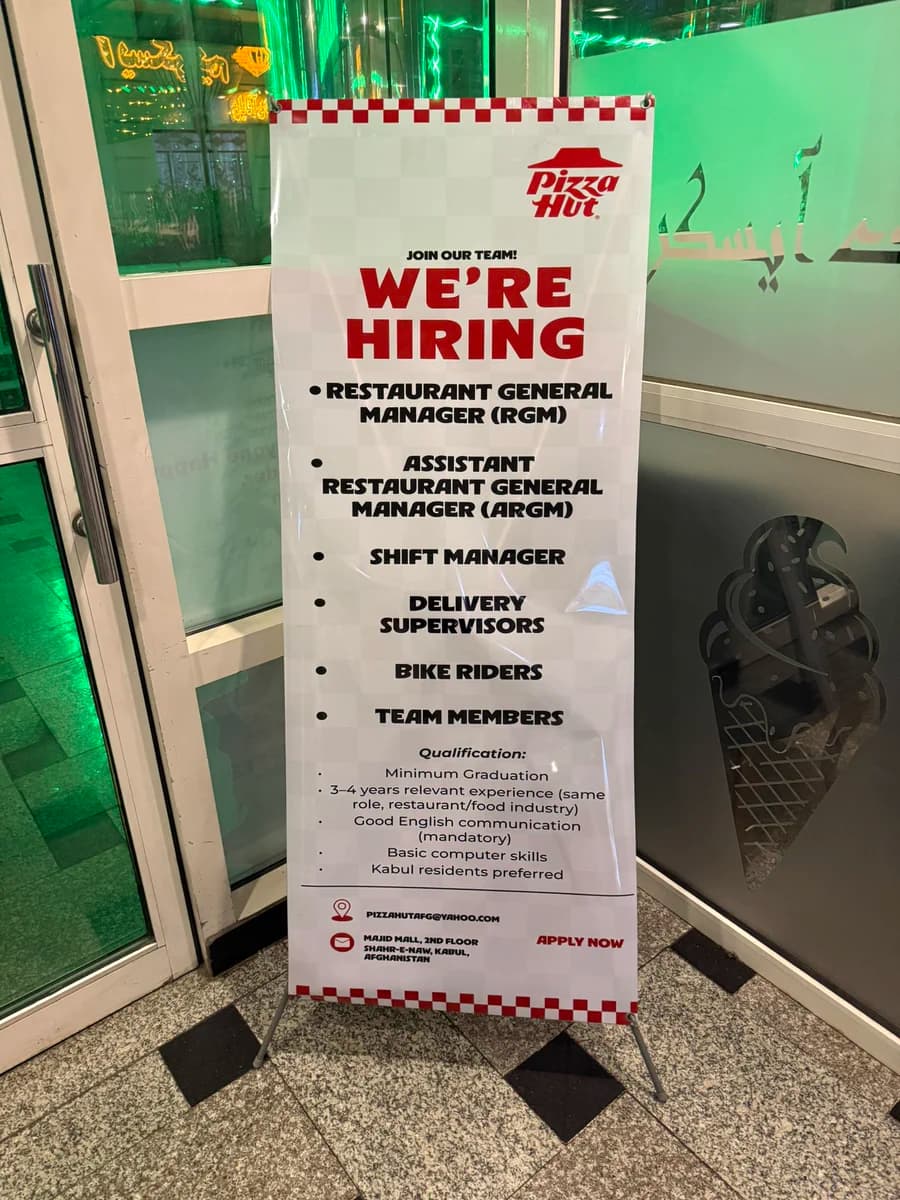
In Yum Brands’ results, interim president Kevin Hochman said Pizza Hut was aiming to hire 40,000 employees to meet demand. The brand was feeling a real crunch. For managers, a help-wanted sign is not a staffing plan unless the job itself is workable on the floor.
What still works now
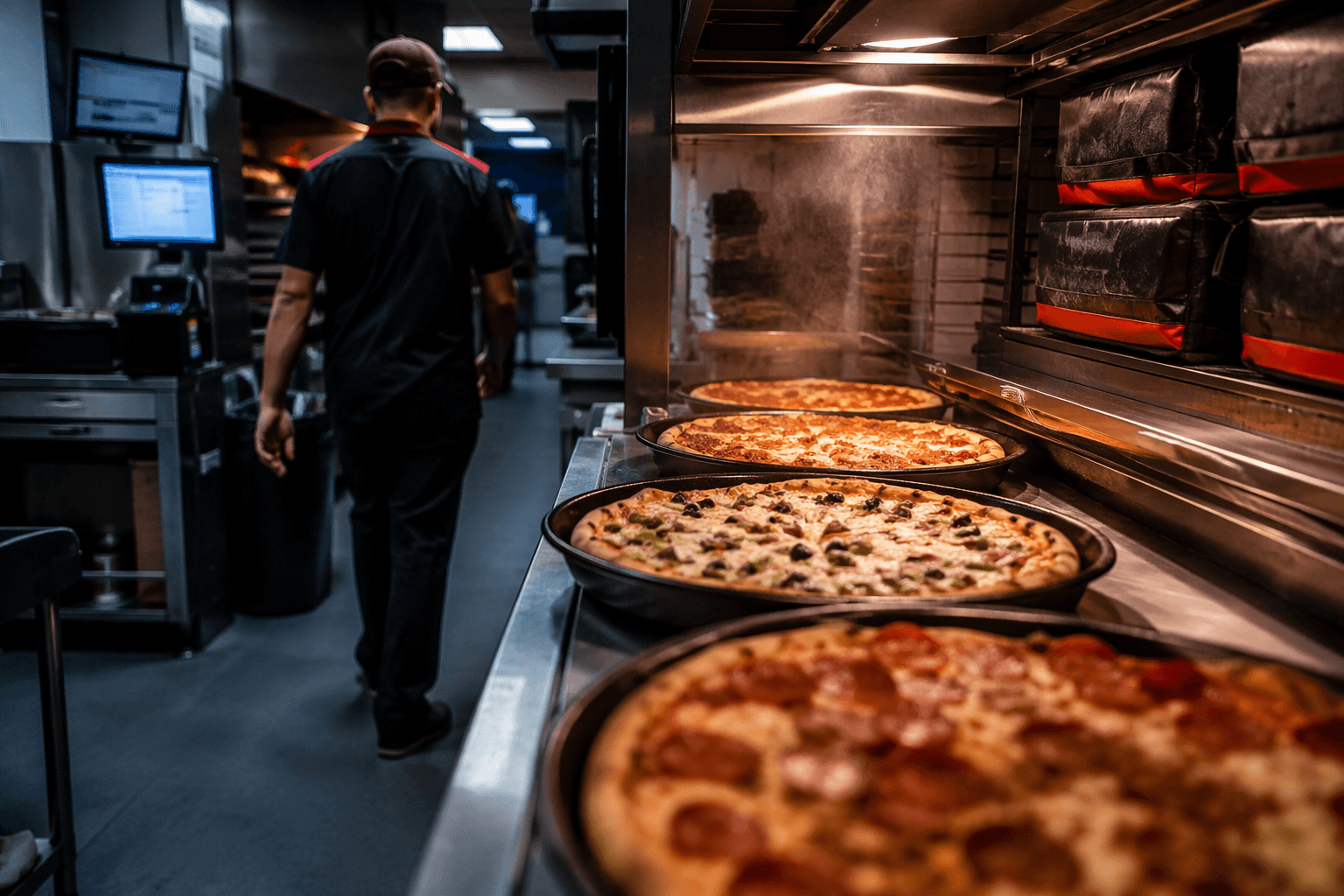
The parts of the COVID-era hiring playbook that still hold up are the simplest ones: move fast, explain the job honestly and give people a reason to stay. Pizza Hut’s mix of delivery, takeout and, in some stores, dine-in service means a single location can need very different labor profiles from one week to the next. A driver, a line cook and a shift leader are not interchangeable hires, so the pitch has to match the role and the store’s actual rush patterns.
That is where flexible hiring still matters. Advancement opportunities are the right signal for a labor market that still values mobility. The brand’s jobs site uses the slogan “GreatPeopleGreatPizza,” and headquarters teams exist to help Pizza Hut system restaurants deliver, but those messages only become credible when managers connect them to real hours, real training and a real path to the next job.
What has gone stale
What no longer works is the old assumption that people will tolerate any schedule because restaurant jobs are plentiful. Five years after COVID, the restaurant industry still had not recovered, and the shortage was persistent rather than temporary. That means generic recruiting, vague promises and delayed follow-up are a faster way to lose candidates than to build a team.
It is also outdated to hire as if every Pizza Hut store needs the same solution. A delivery-heavy store needs reliable drivers and dispatch discipline; a takeout-heavy location needs line speed and order accuracy; a dine-in unit needs front-of-house staffing that can absorb customer traffic without burning out. Managers who pitch the same job the same way to every applicant miss the basic reality that candidates are evaluating scheduling predictability, safety, training, culture, commute distance and whether the shift is realistic.
How to hire faster without creating turnover
Speed matters because labor shortages turn every delay into a lost candidate. If the brand is trying to fill tens of thousands of jobs, the store cannot afford to let a qualified applicant wait days for a callback while other restaurants move first. The practical move is to shorten the path from application to offer and make the interview about fit for a specific shift, not a generic conversation about “teamwork.”
Hire for the shift, not just the résumé
A strong manager should describe the actual pressure points before the hire starts. For a driver, that means being clear about delivery volume, vehicle expectations and whether the store depends on a tight turn from oven to door. For kitchen crew, it means explaining prep pace, peak hours and whether the team has enough support before the rush starts.
This is also where internal promotion and cross-training become staffing tools, not just HR language. When stores are short, workers are more open to moving into shift lead or management roles, and managers who can explain that path can keep an employee from leaving for a slightly better offer across town. Pizza Hut’s own advancement messaging matters only if it shows up in the schedule board and the training plan.
Make retention conversations part of the weekly routine
The strongest retention move is usually not a grand program; it is a steady conversation about what is making the shift hard. If the pay structure is confusing, if drivers are losing money on vehicle costs, if kitchen crews are not getting enough preparation time before the rush, or if the schedule is too unpredictable, those issues need to surface before they become resignations. Those are operational questions first, not abstract HR concerns.
Managers should also ask whether commute distance is turning good hires into short-timers. A store can lose a worker who liked the job but could not make the travel work after fuel, car wear or family obligations changed. The labor market still gives workers options, so retention depends on removing friction that makes a Pizza Hut shift feel impossible week after week.
Why delivery strategy and labor costs now collide
In California, franchise operators planned to lay off more than 1,200 delivery drivers ahead of a minimum-wage increase to $20 an hour. When a store leans on in-house delivery, the wage bill, tip structure and vehicle burden all shape whether that model can hold.
Franchise ownership means local operators often make the call, so two Pizza Hut stores in the same brand can respond very differently to the same labor pressure. The managers who handle that best decide early whether the store needs more cross-training, fewer delivery hours or a different mix of roles altogether.
This article was produced by Prism’s automated news system from verified source data, official records, and press releases, then run through automated quality and moderation checks before publishing. The system is built and supervised by the people who set the standards it runs under. Read our full AI policy.
Did this article answer your question?