Pizza Hut manual details driver safety, discipline and workplace rules
The 2024 Southern Wisconsin manual turns brand policy into shift rules on attendance, complaints and driver safety. It also shows how discipline and reimbursement disputes can shape paychecks.
Pizza Hut’s Southern Wisconsin operator has put its store rules in writing, and the 2024 manual reads like a map of what crew members, drivers and managers are expected to live by on a normal shift. Updated and enacted January 1, 2024, it covers employment at will, attendance, equal opportunity, harassment, complaint procedure, discipline, workplace violence prevention, employee schedules, compensation and delivery driver protection.
How the manual sets the ground rules
For workers, the value of a document like this is simple: it shows where the line is before a problem starts. At a franchise level, that matters because local management, not just the Pizza Hut brand, decides how attendance gets tracked, how complaints move up the chain and when a mistake becomes a formal discipline issue.
Pizza Hut of Southern Wisconsin, Inc. is not a small storefront operator. A company profile describes it as a leading franchise operator with more than 30 Pizza Hut restaurants across Southern Wisconsin and Northern Wisconsin, and another profile says it was founded in 1969. In a business that large, written standards are the difference between one manager’s habit and a company-wide rule.
Attendance, schedules and discipline: what gets enforced first
The attendance and scheduling sections are the parts most crew members feel immediately. Pizza Hut stores depend on tight staffing, especially on Friday and Saturday nights when one call-off can ripple from make line to delivery window to closing duties. The manual’s inclusion of attendance, employee schedules and discipline signals that lateness, no-shows and shift coverage are not left to informal judgment.
That matters because discipline is usually where a simple mistake turns into a formal record. A written policy helps managers separate a coaching conversation from a warning or other discipline step, and it also gives employees a clearer sense of whether a scheduling problem, missed punch or repeated tardiness is likely to become a job-performance issue.
Why drivers should pay close attention to the road rules
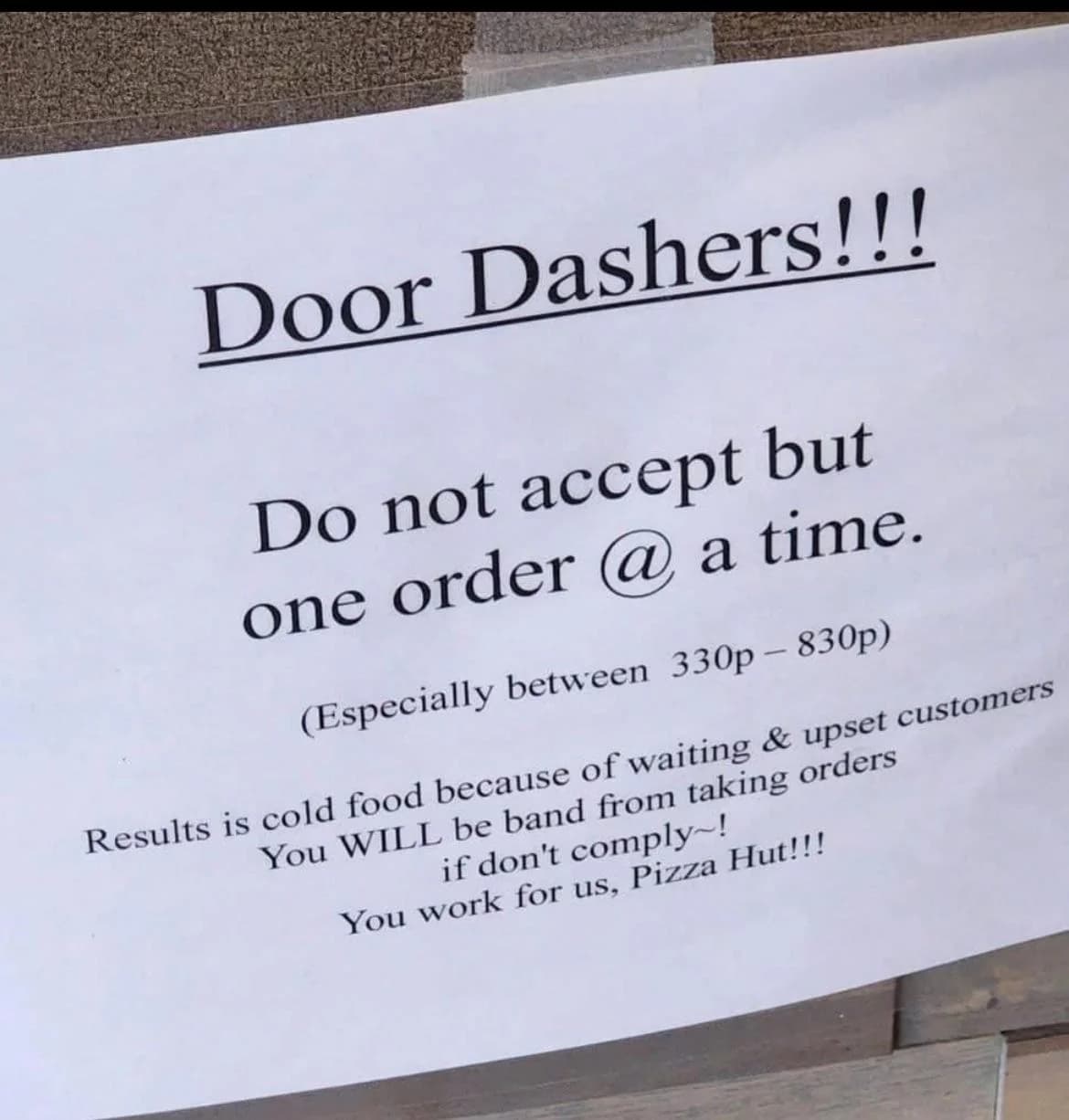
The delivery driver protection section stands out because the risks are different from what kitchen crew face. Drivers deal with route choice, parking, customer contact, cash handling and the possibility that a drop-off feels unsafe when it is late, isolated or otherwise concerning.
The practical point for managers is that a manual like this gives them a framework for deciding whether a run should be handled differently, especially during bad weather, late-night deliveries or a security concern. For drivers, the real question is whether the store has a process for refusing a dangerous delivery, how a complaint is handled if one is made and what protections exist when a delivery situation starts to feel wrong.
That issue also carries legal and financial weight. In Hobon v. Pizza Hut of Southern Wisconsin, Inc., a 2017 collective and class action complaint alleged the company failed to properly reimburse delivery drivers for the use of their own vehicles. Separate reporting on another Pizza Hut franchisee dispute said drivers claimed their pay fell below minimum wage because unreimbursed gas costs and vehicle upkeep ate into compensation.
For anyone driving for Pizza Hut, that is not an abstract legal fight. It goes straight to whether vehicle wear, fuel and maintenance are treated as business costs the company should absorb or as losses that come out of driver earnings.
Harassment complaints and why the reporting channel matters
The harassment and complaint procedure sections are just as important as the driving rules, especially in a restaurant where the pace is fast and the dining room, make line and prep area can all blur together. A complaint process tells employees where to go when behavior crosses the line and gives managers a structure for documenting what happened, rather than handling concerns informally or inconsistently.
That matters in an industry with a long record of harassment problems. One employment-law article describes restaurants as the single largest source of sexual harassment claims in the U.S., and Wisconsin’s Department of Workforce Development says the state does not tolerate bullying, discriminatory, harassing or retaliatory conduct in the workplace. In other words, the manual is not just about manners or store culture. It is part of the legal and operational system that is supposed to keep the workplace usable.
The complaint channel also matters because missteps can weaken a case. A 2015 employment-law article discussing Blanton v. Newton Associates, Inc. points to a delivery driver who complained to the wrong people, underscoring how much it matters to follow the company’s process rather than venting to a supervisor who may not be the right recipient under the policy. For workers, that means the handbook is not window dressing. It is the route the company expects complaints to take.
What managers are being told to control day to day
Beyond attendance and complaints, the manual also covers workplace violence prevention, bank deposits, cash and inventory control, compensation, uniform rules, social media use and computer and email access. That mix tells you where the operator sees risk: in money moving through the store, in how employees present themselves, in how they talk online and in how they respond when a situation inside or outside the building feels unsafe.
For managers, those sections are about consistency and documentation. For crew, they set the boundaries on everything from how you clock time to how you handle cash and inventory. For drivers, they reinforce that the job is not just delivering pizza, but doing it under a set of rules that touches safety, pay, discipline and customer interactions at the same time.
What Pizza Hut workers can take from the manual
The biggest lesson from the Southern Wisconsin manual is that local franchise rules often determine how the job actually feels. Brand standards matter, but the daily experience of a driver, cook or shift manager is shaped by the written policies on attendance, complaint reporting, safety and reimbursement.
At a chain with more than 30 restaurants in Southern Wisconsin and Northern Wisconsin, that consistency can protect workers when it is applied fairly, and create friction when it is not. For Pizza Hut employees, the handbook is where the company’s promises turn into enforceable expectations, and where a routine shift can quickly become a discipline issue, a harassment complaint or a pay dispute if the rules are not followed.
This article was produced by Prism’s automated news system from verified source data, official records, and press releases, then run through automated quality and moderation checks before publishing. The system is built and supervised by the people who set the standards it runs under. Read our full AI policy.
Did this article answer your question?