Pizza Hut MEA Supper Club Showcases Ingredient Quality, Spurs Operations and Training
Pizza Hut Middle East staged a back-of-house Supper Club to spotlight the quality of everyday ingredients, an activation that could shift quality-control and training for restaurant staff.

Pizza Hut Middle East invited an acclaimed chef and eight culinary experts to a back-of-house Supper Club to spotlight the quality of the chain's everyday ingredients and test how those items perform outside the restaurant context. The tasting menu, prepared from Pizza Hut ingredients including mozzarella, tomatoes and flour, was presented on January 23 as the second phase of the brand’s food-provenance platform, WhatsInTheBox.me.
The event was positioned as a demonstration of provenance and ingredient quality, with Pizza Hut MEA marketing leaders saying the activation aimed to challenge assumptions about fast-food inputs by presenting ingredients 'out of context.' Organizers shared visual assets and video of the session to amplify the message to consumers and internal stakeholders.
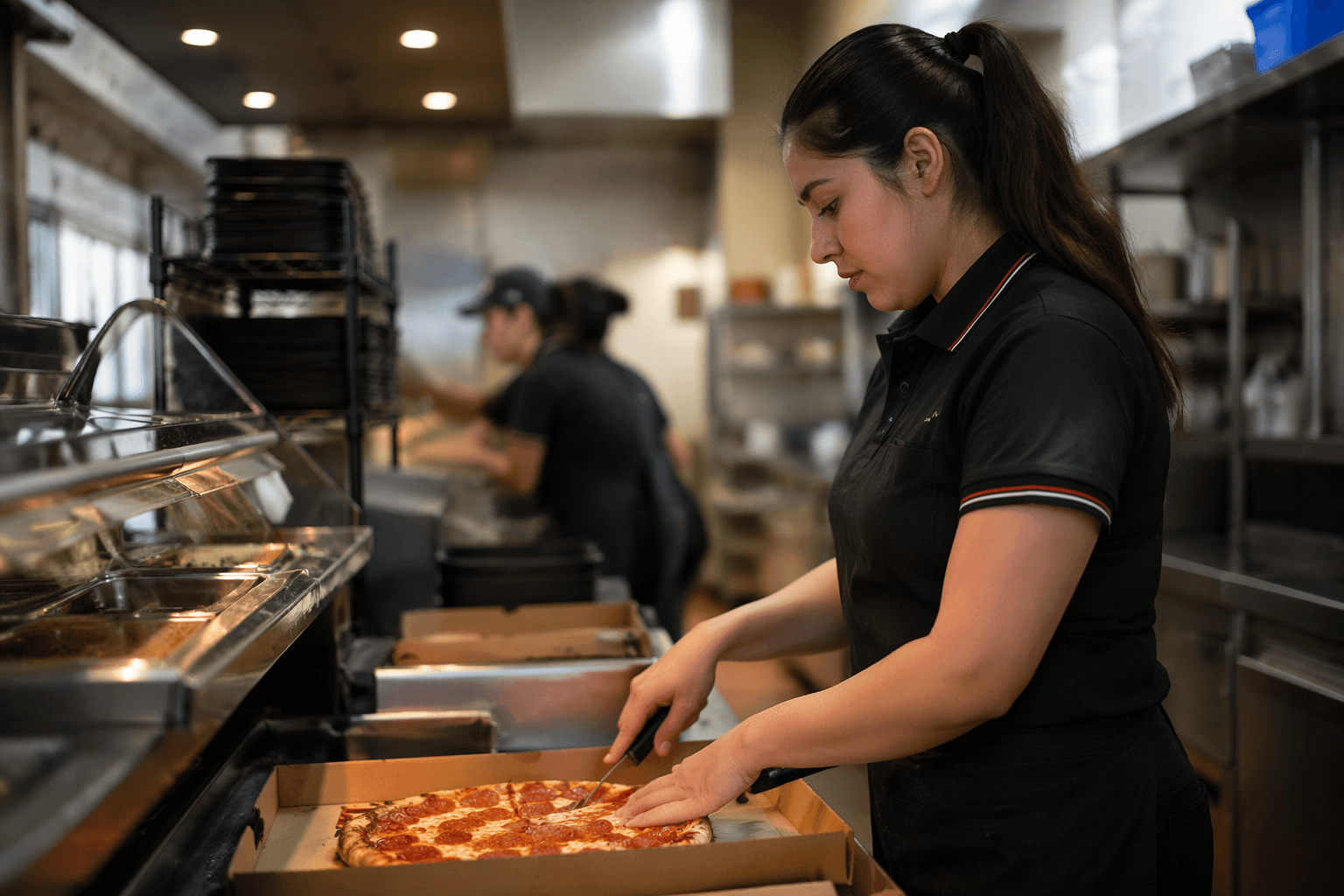
For frontline workers and franchise operations, the Supper Club is more than a PR moment. Activations that foreground supply-chain traceability often trigger follow-up work in quality control, kitchen procedures and staff training. Pizza Hut’s decision to run a back-of-house tasting with culinary peers creates a reference point for ingredient standards and could lead to updated ingredient specifications, closer supplier scrutiny and revised in-store execution guidelines.
Managers and regional operations teams typically translate such corporate marketing activations into practical steps for kitchens: refresher modules on dough handling when new flour claims are made, ingredient storage and rotation checks for tomato-based products, and technique coaching for cheese melt and portioning to match the showcased quality. Because the event explicitly used ingredients already on the menu, franchisees may view the Supper Club as both a reassurance and a call to verify that everyday production matches the demonstration.
The Supper Club format also fosters cross-functional communication. Marketing aimed to influence brand perception, but operations and franchise relations will need to align on rollout and consistency. That alignment can include scheduled audits, updated supplier communications, and targeted upskilling sessions for cooks and shift leads to ensure the in-store product reflects the provenance claims.
Workers could see concrete outcomes from the activation. Kitchen staff may be asked to adopt new handling practices or participate in promotional training tied to the WhatsInTheBox.me platform. Shift managers and trainers could be tapped to help scale any new techniques across multi-unit operations, translating a corporate demonstration into repeatable service routines.
The Supper Club signals that Pizza Hut MEA is investing in ingredient storytelling that connects marketing with back-of-house realities. For employees, the immediate implications are likely to be practical: more conversations about specifications, closer partnership with suppliers, and training opportunities aimed at ensuring the food customers eat matches the quality shown on stage.
This article was produced by Prism’s automated news system from verified source data, official records, and press releases, then run through automated quality and moderation checks before publishing. The system is built and supervised by the people who set the standards it runs under. Read our full AI policy.
Did this article answer your question?