Pizza Hut teams get food safety training tips for busy shifts
Pizza Hut’s busiest food-safety failures usually start in prep, spread on the make line, and finish at delivery handoff. Small habits keep rushes from turning into waste or allergen trouble.
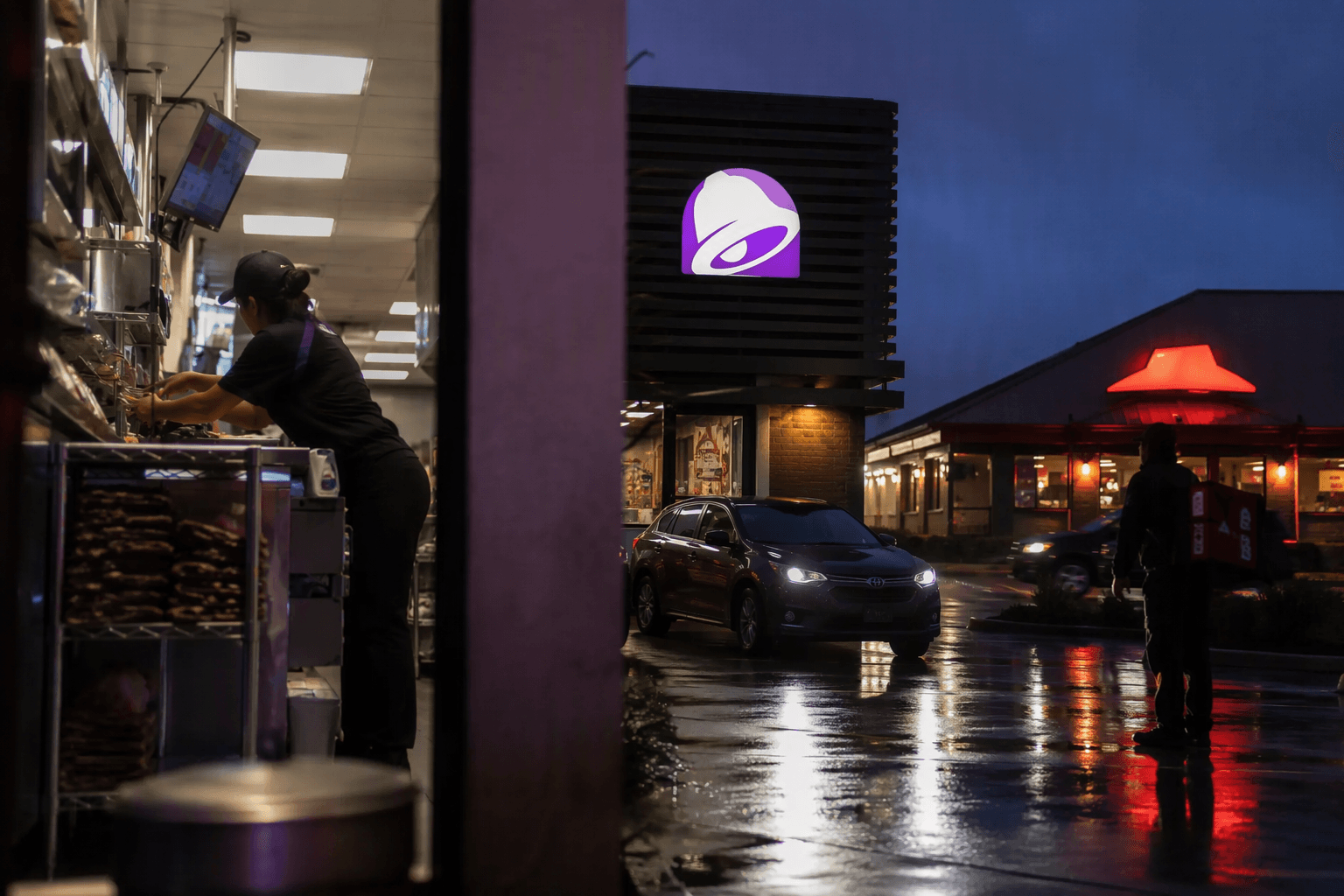
Food safety usually breaks in prep, on the make line, or at the handoff when a hot pizza leaves the store. Those are the real control points in the 7shifts food-safety guide, and Pizza Hut’s own allergen and delivery guidance shows why in a shared kitchen built for speed.
Prep is where the shift either stays organized or starts drifting
Prep sets the tone for everything that follows. If ingredients are labeled late, containers are left open, or cold product sits out while the team is stacking the line, the store is already behind before the first ticket fires. The safest prep habits are the boring ones that happen before anyone is in a hurry: wash hands at the right times, keep cold food cold, keep hot food hot, and label products clearly before service starts.
At Pizza Hut, products are prepared on shared equipment and in the same kitchen, and the company cannot guarantee that cross contact with allergens will not occur. Customers can find allergen information on its Nutrition page and Nutrition Portal, which lets them search ingredients, browse nutrition facts, and view food allergy and sensitivity information. Pizza Hut also prepares and serves products containing milk, eggs, peanuts, tree nuts, wheat, soy, sesame, or other allergens, so prep crew cannot treat allergen separation as an afterthought.
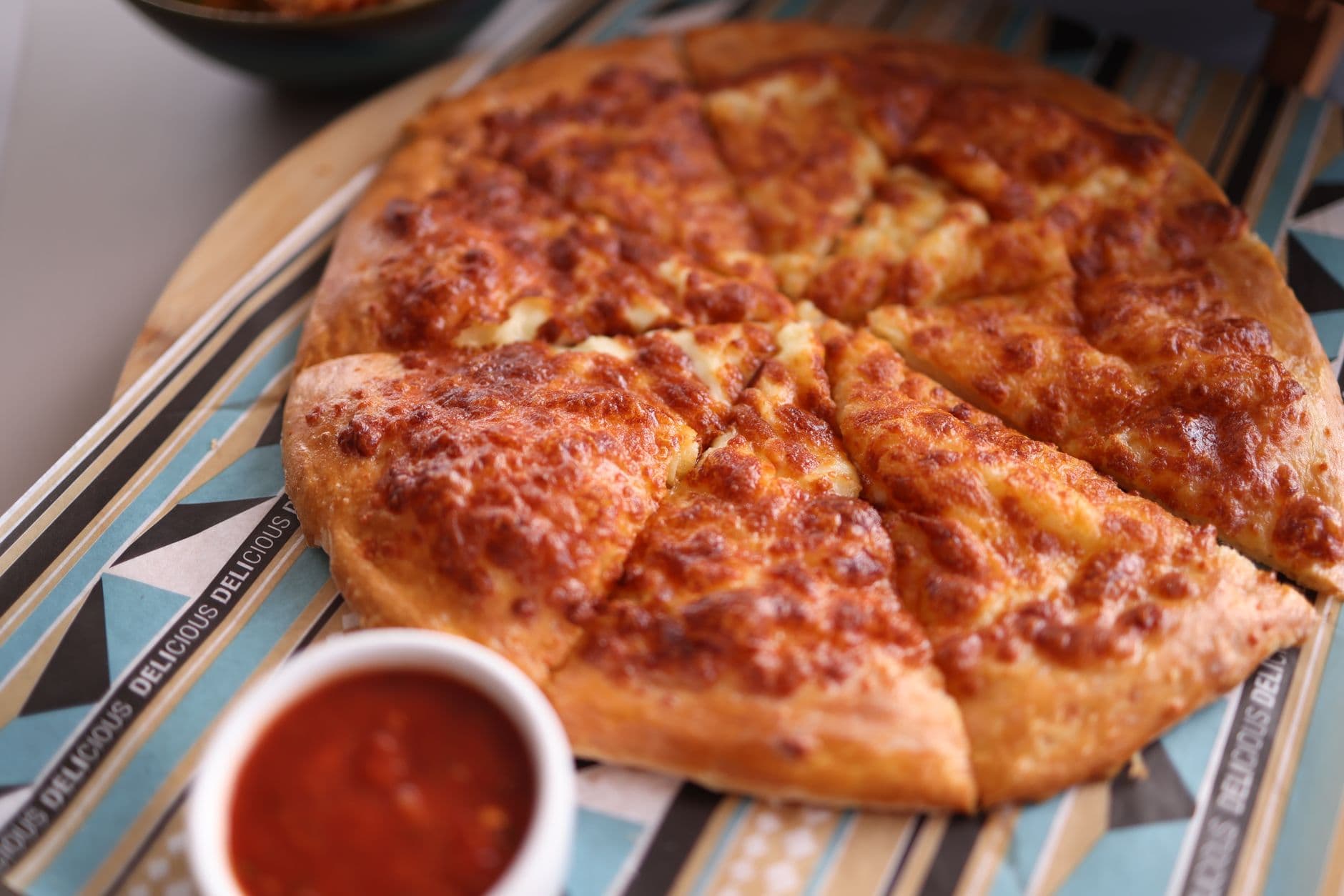
Pizza Hut’s Gluten Free page adds another operational wrinkle: pizzas made with Udi’s Gluten-Free Crust are offered only in certain participating Pizza Hut restaurants nationwide. That means crews need to know exactly which products the store can actually support, and managers need to keep that call visible in the kitchen, not buried in a binder.
The make line is where small shortcuts become big problems
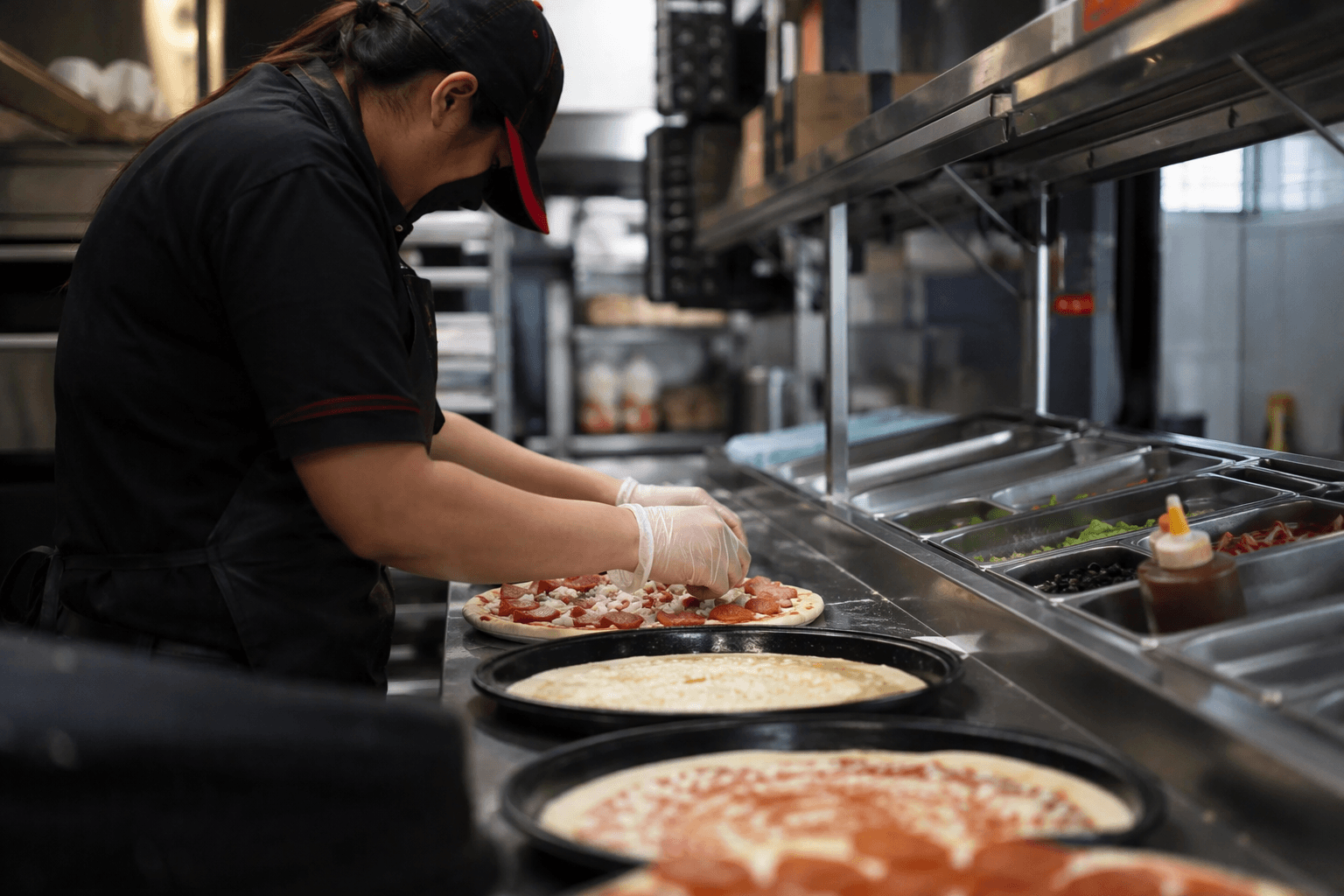
The make line is the busiest part of the store and the most vulnerable to cross-contamination. Cheese, sauce, meats, and allergens move quickly through the same tight space, so handwashing, temperature control, cross-contamination prevention, and cleaning routines need to sit at the center of training. On a Pizza Hut line, the crew cannot rely on memory or speed alone, because one skipped wipe-down or one reused tool can move a problem from one pizza to the next.
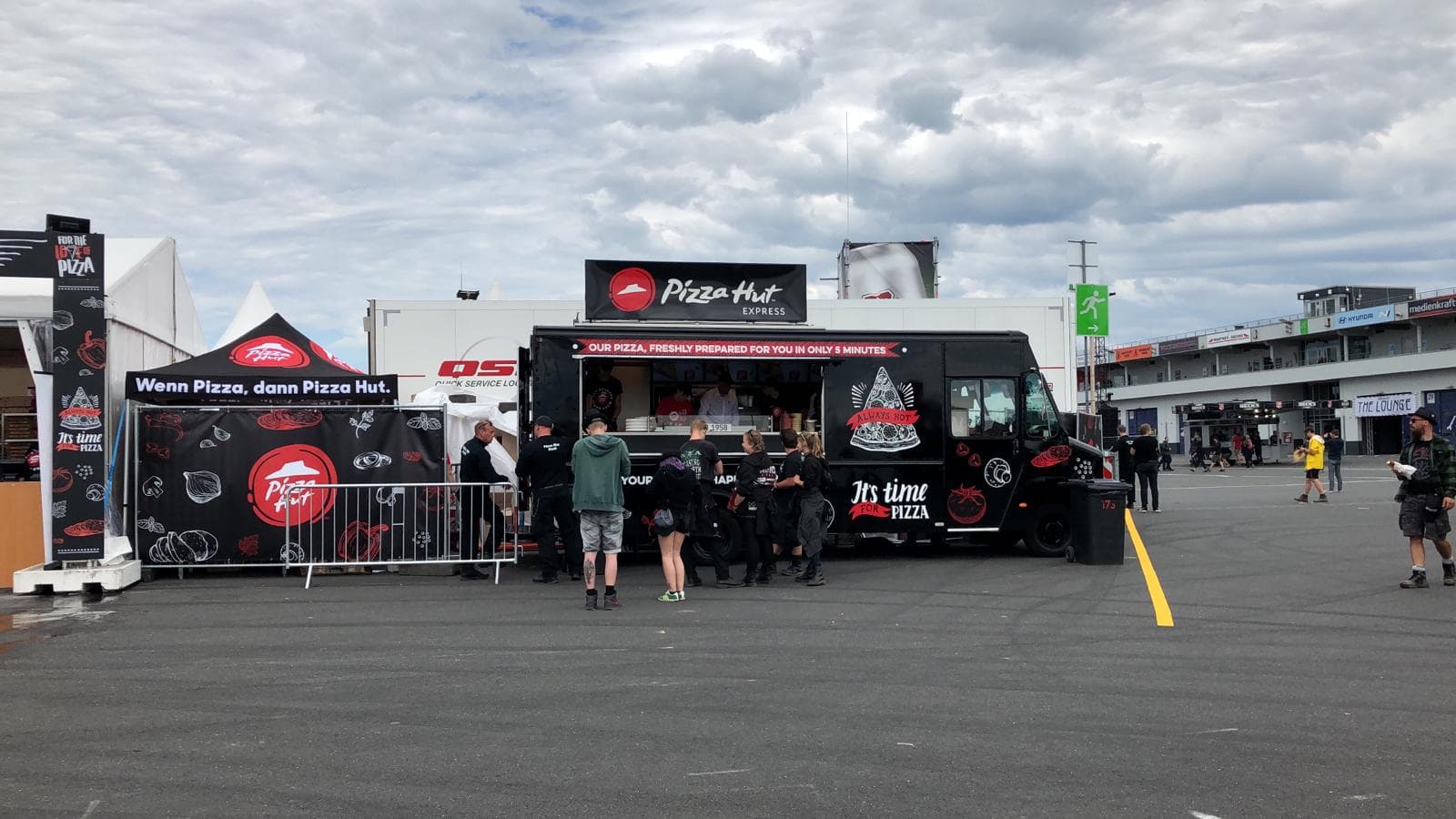
A clean make table, separate handling for allergen-sensitive items, and a habit of cleaning as you go can keep sauce smears, topping spillover, and stray crumbs from becoming the next guest complaint or the next remake.
- Wash hands before returning to the line after touching phones, trash, dirty pans, or money.
- Keep ingredient lids closed when a box or pan is not in use.
- Swap tools when moving between different products, especially when allergens are involved.
- Wipe surfaces between orders instead of waiting for the end of the rush.
- Recheck labels before a pizza leaves the make table, especially on specialty or allergy-sensitive orders.
Food safety has to be taught before mistakes happen, not after. That fits Pizza Hut’s line work, where a new hire may know how to stretch dough or place toppings but still need coaching on what to do when a product is dropped, a glove tears, or a pan sits in the wrong place. Managers who use the shift huddle to repeat the same few rules, instead of dumping everything into orientation, give the line a better chance of holding up when orders stack up.
Delivery handoff is still part of food safety
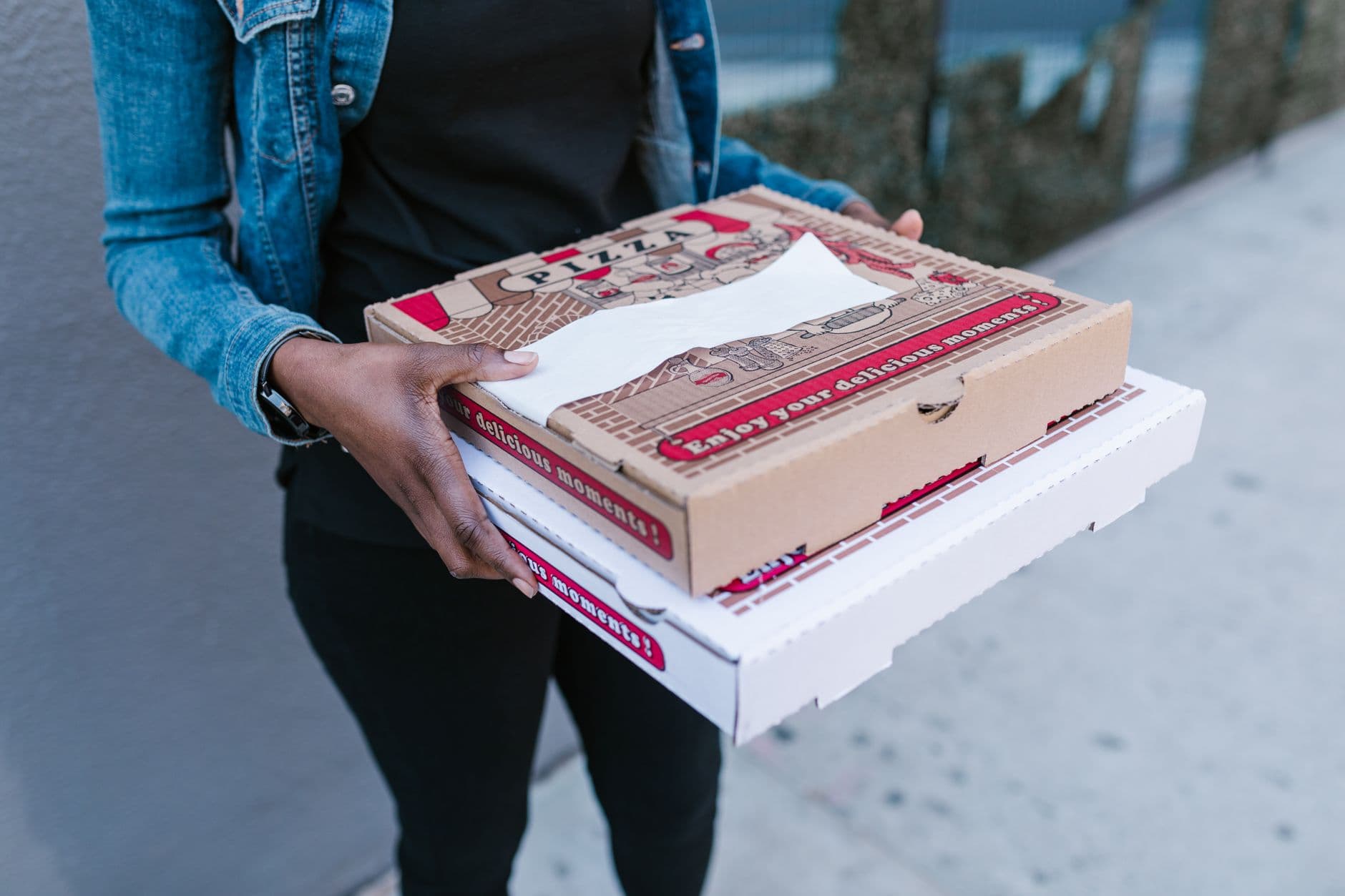
Food safety does not end when the pizza leaves the oven. Pizza Hut offers home delivery and aims to get food to the doorstep hot and fresh, which makes transport and handoff part of the safety system, not a separate job. If the order cools too much, gets stacked beside unrelated items, or is handed off in a messy exchange, the store can lose both quality and control in the same minute.
For drivers, the job is protecting product temperature, keeping bags clean and upright, and making sure nothing contaminates the food before it reaches the customer. Traffic, apartment access, or a full delivery queue can turn a clean departure into a rushed handoff.
Customer questions about allergens can also surface at the handoff. Pizza Hut’s accessibility page points customers back to the Nutrition page for allergen information and provides a phone number for contact, so crew members need a clear answer ready when a guest asks about ingredients or cross contact. A driver or counter worker does not need to improvise a policy; they need to know where the guest is supposed to be directed and how to keep the order clean until it changes hands.
Managers need to coach the same habits all shift long
Food safety training works best when managers treat it like part of shift control, not a one-time lecture. Refresher coaching, shift huddles, and corrective feedback when standards slip fit Pizza Hut’s franchise-style operating reality, where local management decisions shape whether a store actually follows through on the basics.
The most useful coaching is specific and immediate. If a prep cook leaves ingredient bins open, fix that behavior before the rush gets worse. If a make-line worker skips a handwash after leaving the station, stop and reset the routine. If a driver returns with a bag that has been staged carelessly, correct the process before the next delivery leaves the store.
This article was produced by Prism’s automated news system from verified source data, official records, and press releases, then run through automated quality and moderation checks before publishing. The system is built and supervised by the people who set the standards it runs under. Read our full AI policy.
Did this article answer your question?