Yum sales rise as Taco Bell leads, Pizza Hut sale nears completion
Taco Bell’s 4% same-store sales growth left Pizza Hut under a harsher spotlight as Yum moved toward a $2.7 billion sale, putting staffing and delivery pressure on stores.
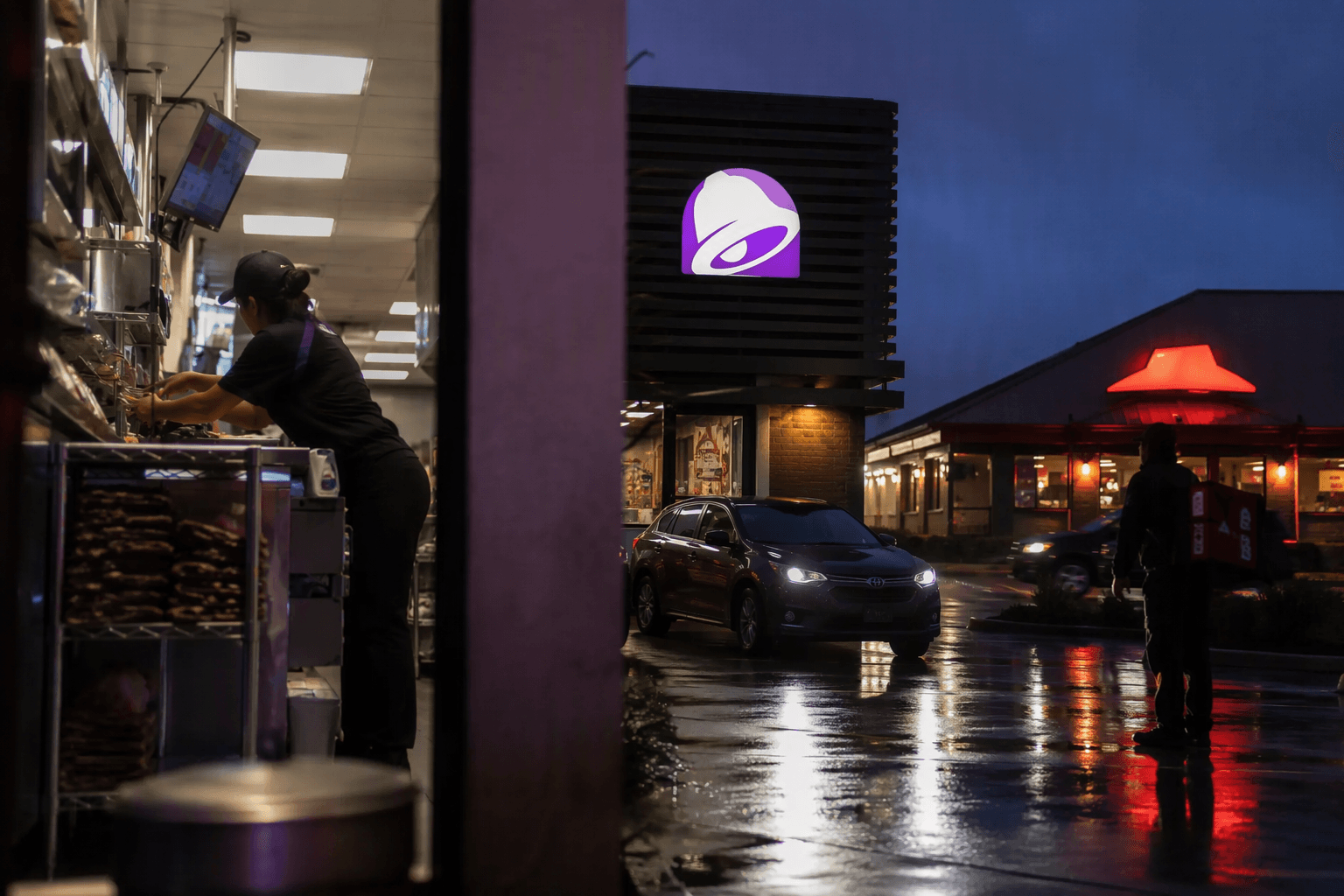
Yum! Brands said on Aug. 5, 2025 that second-quarter GAAP EPS was $1.33 and EPS excluding special items was $1.44, up 7% from a year earlier, while Taco Bell same-store sales rose 4% and companywide digital system sales topped $9 billion with a record 57% digital mix. For Pizza Hut crews, the bigger signal was where the growth was coming from: Taco Bell was carrying the brand portfolio while Pizza Hut kept sliding toward a sale Yum later agreed to for $2.7 billion in June 2026.
Reuters said the August earnings report missed analysts’ estimates because higher ingredient costs and muted demand weighed on Yum’s businesses, and the company’s shares fell as much as 5% after the release. CNBC also flagged the split inside the company, with Pizza Hut and KFC struggling in the U.S. while Taco Bell kept outpacing the rest of the chain. That kind of gap is not just an investor story. When sales soften and ingredient costs rise, stores usually feel it through tighter schedules, more aggressive discounting and more pressure to keep food moving fast enough to protect margins.
Yum’s November 4, 2025 strategic review of Pizza Hut made the direction even clearer. By then, Pizza Hut sales had fallen for seven consecutive quarters, and later investor coverage tied to the June 2026 sale said U.S. Pizza Hut comparable-store sales had declined for 10 straight quarters. QSR Magazine said Pizza Hut finished the first quarter of 2026 with 6,121 restaurants, a footprint large enough that any change in labor policy, delivery mix or technology rollout would affect thousands of shifts at once.
That is the worker issue inside the sale. A new owner stepping into a brand with that much red ink will want cleaner numbers at store level, which usually means closer scrutiny of staffing models, delivery times, remake rates and low-volume locations. Drivers can feel it in how many orders come through the app, how promos are timed and whether rushes are stacked into fewer, hotter windows. Kitchen crews can feel it when managers push harder on speed, waste control and order accuracy. The chain’s next owner will inherit not just a pizza brand, but a labor system already under pressure to prove it can stand alone.
This article was produced by Prism’s automated news system from verified source data, official records, and press releases, then run through automated quality and moderation checks before publishing. The system is built and supervised by the people who set the standards it runs under. Read our full AI policy.
Did this article answer your question?