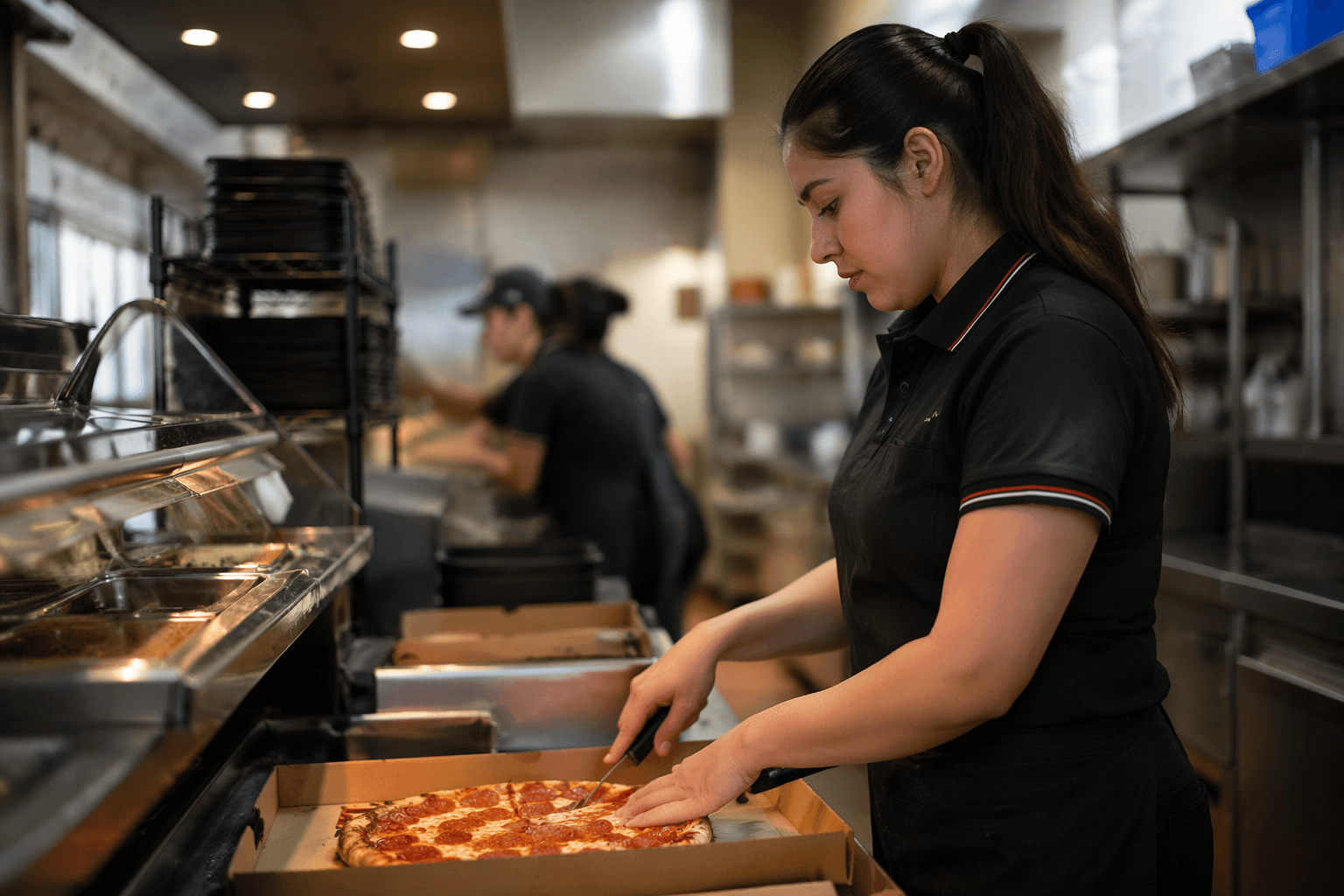
Pizza Hut, Wendy's, Papa Johns Plan Hundreds of Location Closures in 2026
Pizza Hut, Wendy's, and Papa Johns are closing a combined 850+ U.S. locations in 2026. If you work at one of these stores, here's what's driving it.

Pizza Hut, Wendy's, and Papa Johns are each facing several quarters of consecutive same-store sales and traffic declines, and all three chains have now announced major U.S. store closures set to play out over the first half of this year. Together, the three brands account for roughly 850 or more planned closures, making this one of the most significant rounds of restaurant consolidation in recent memory.
Pizza Hut is set to close 250 underperforming stores in the U.S. during the first half of 2026, as confirmed by its parent company, Yum! Brands. The move is part of its "Hut Forward" turnaround plan, which covers marketing, modernizing technology, and franchise agreements. During a February 4 Yum! Brands earnings call, CFO Ranjith Roy said the restaurant chain plans to focus on "vibrant marketing, modernization of technology, and franchise agreements." Yum CEO Chris Turner went further, signaling the brand's future inside the company is not guaranteed. "The Pizza Hut team has been working hard to address business and category challenges," Turner said, adding that "Pizza Hut's performance indicates the need to take additional action to help the brand realize its full value, which may be better executed outside Yum! Brands." Yum Brands is also considering selling the beleaguered brand.
The pizza chain conducted a strategic review of its restaurant fleet, assessing the quality of operations, trade zones, and assets to determine which restaurants should close. The restaurants targeted are mostly franchised, are over a decade old, have an average unit volume under $600,000, and typically carry a negative four-wall income. They also don't meet brand expectations and don't have a path to sustainable growth. For crew members and delivery drivers at those locations, the calculus is straightforward: when a store's gross revenue can't cover the cost of staying open, the franchise owner doesn't have much leverage to keep it running.
More customers are also shifting business to third-party delivery, where options are more plentiful. The bulk of pizza chains are now on aggregator apps like DoorDash and Uber Eats, with Papa Johns notable as the first major pizza chain to use third parties. That shift has complicated life for in-house delivery drivers, whose tip income has increasingly competed with gig-platform drivers handling the same orders at the same addresses.
On the Wendy's side, the company is working on improving franchisee economics and will close underperforming stores to allow franchisees to "increase focus on locations with the greatest portable growth," Ken Cook, CFO and interim CEO, said during the Q4 earnings call. The company evaluated restaurants on a store-by-store basis and expects 5% to 6% of its U.S. locations to close in the first half of 2026, totaling roughly 300 to 350 units. During the fourth quarter, Wendy's already closed 28 units, with the remaining units to close during the first half of the year. The chain is still opening new units, however, and opened 109 restaurants last year for a net total of 36 new units.
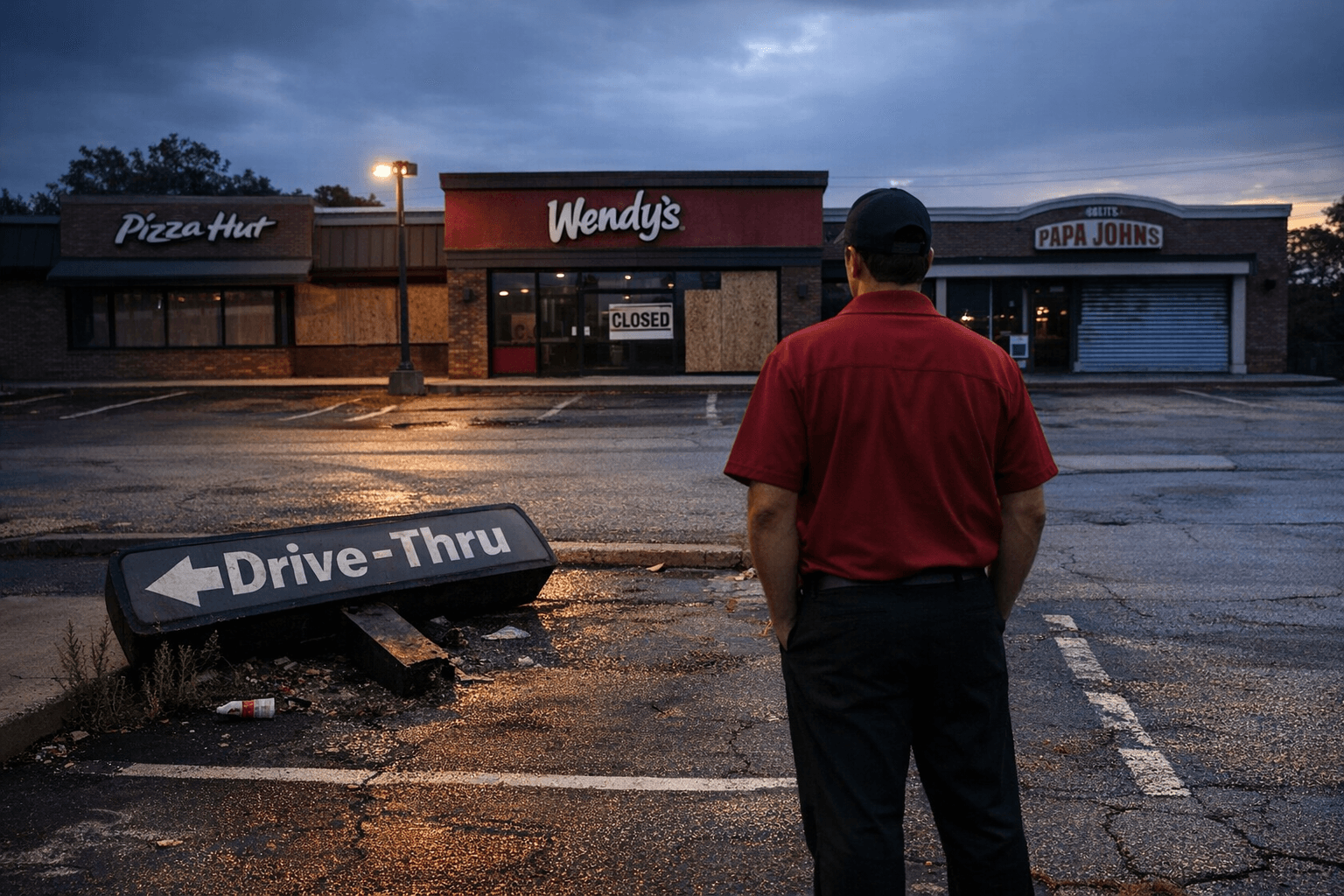
Papa Johns' situation is similarly stark. Papa Johns, which posted same-store sales declines of 5% in North America during Q4 2025, plans to close 300 underperforming restaurants, mostly franchisee owned, across the region. The company expects to close the majority of these restaurants by the end of 2027, with approximately 200 closures occurring in 2026. The company has also been working on reducing its overall cost structure as part of its ongoing transformation plan and has cut its corporate workforce by 7%.
With many of the same macroeconomic conditions from 2025 continuing this year, restaurants have had a tough time increasing traffic and sales. Some chains, like McDonald's, Chili's, and Taco Bell, have made significant gains in improving their value perceptions and seeing subsequent sales drivers. But some are facing tough decisions and have to purge hundreds of underperforming units from their systems.
These units typically drive down results for the entire system, and closures often lead to higher sales at nearby restaurants as consumers move to the remaining open locations. That's the corporate logic, and it may hold for system metrics. But for kitchen staff and drivers at the stores being cut, the nearby location absorbing their old customer base doesn't automatically absorb them. Closures will cause thousands of workers to lose their jobs and equate to fewer options for consumers, particularly in rural areas and smaller cities.
This article was produced by Prism’s automated news system from verified source data, official records, and press releases, then run through automated quality and moderation checks before publishing. The system is built and supervised by the people who set the standards it runs under. Read our full AI policy.
Did this article answer your question?