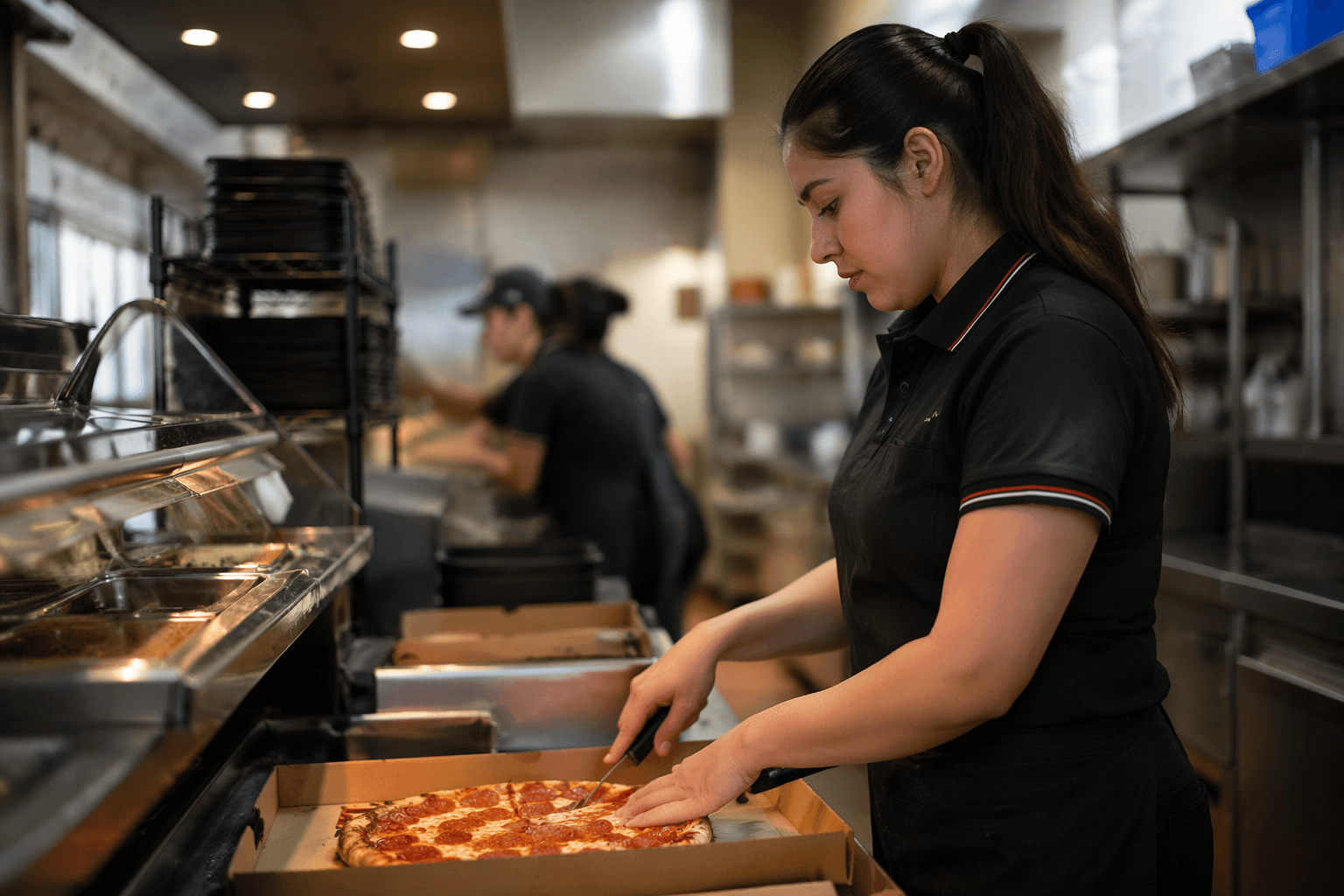
Pizza Hut workers face pay strain, report links it to retention risk
Pay stress is turning into a staffing problem at Pizza Hut, with workers saying money pressure shapes whether they stay, show up, and trust the schedule.
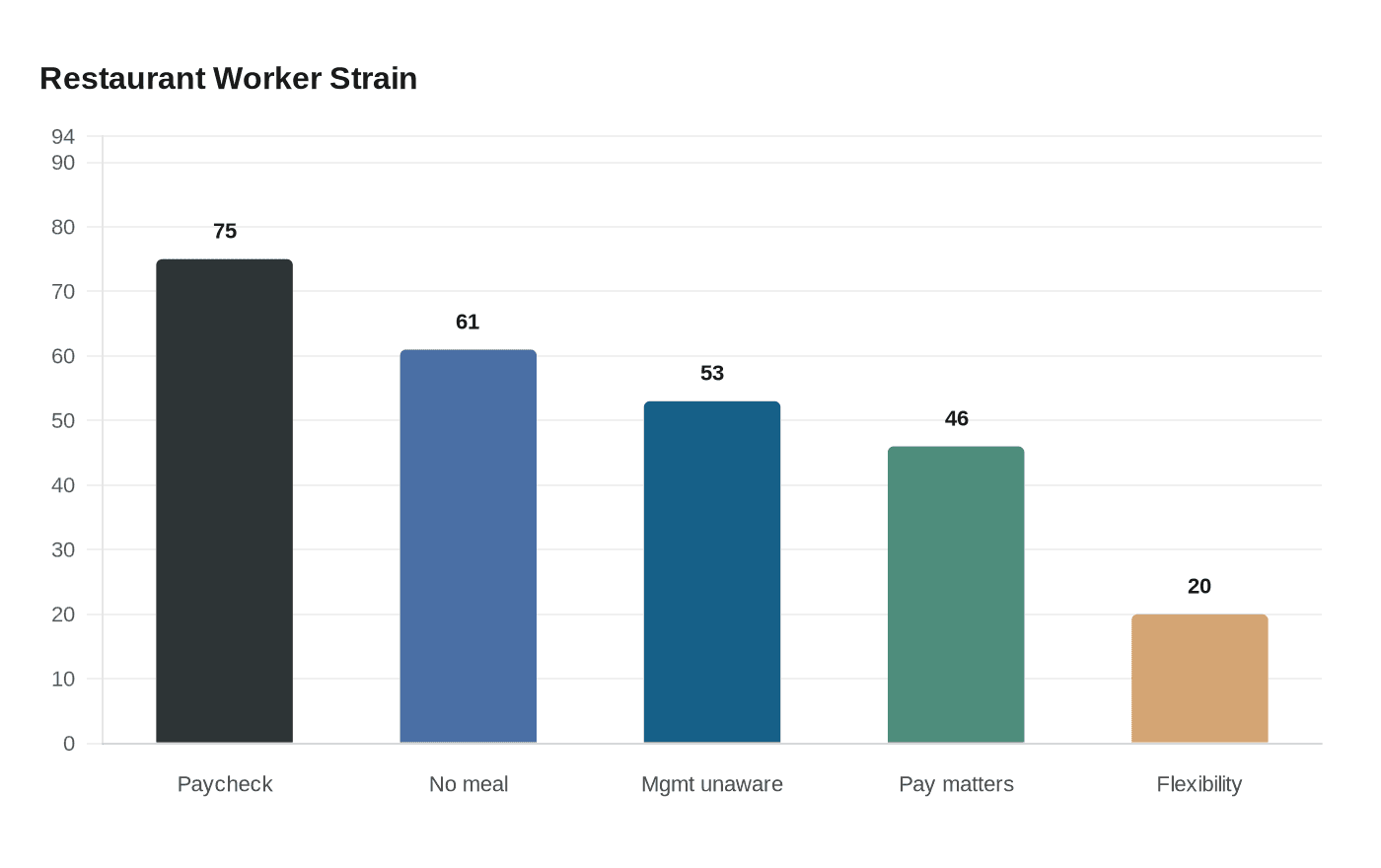
The fastest way a Pizza Hut store gets in trouble is when money stress turns into missed shifts, turnover and a crew that stops trusting the schedule. A new worker report says that risk is now baked into hourly restaurant life: 75% of restaurant workers say they are living paycheck to paycheck, 61% say they have gone without a meal in the past week because they could not afford to eat, and 53% say leadership does not understand what it is like to live paycheck to paycheck.
For Pizza Hut drivers, kitchen crews and shift leaders, those numbers are not abstract. They show up in the real friction of the job: whether a delivery driver can cover gas and car repairs before tips come in, whether a cook can make it through a rush without worrying about the next deposit, and whether a manager can build a reliable roster when workers are deciding if the commute and the stress are worth it. The same survey found pay was the top contributor to job satisfaction for 46% of workers, while flexibility came next at 20%. That makes wage timing, schedule consistency and clear communication part of retention, not side issues.
Pizza Hut’s own recruiting language points in the same direction. One delivery driver posting uses the line, "Your Gig, Your Schedule, Great Benefits, Fast Pay," and lists pay of $15-$20 plus tips. The message is simple: speed and flexibility sell the job. Internal Yum! portal language also references paying driver reimbursements, credit card and gift card tips, and delayed payment tips onto an electronic form of payment, a sign that faster access to money is already part of the operational conversation.
The broader restaurant backdrop is still tight. The National Restaurant Association said it expects just 1.3% real sales growth in 2026 and described the labor market as uncertain, which helps explain why operators are looking for retention fixes that do not always mean bigger base wages. DailyPay is pitching on-demand pay to quick-service restaurants as a way to improve engagement and retention, and says more than 6 million employees had access to its system as of December 2025. Its YouGov survey page cites 688 quick-service and fast-casual restaurant employees.
None of this is new in restaurant work. Older industry research cited by Nation’s Restaurant News found a 70% median turnover rate overall and 94% for hourly workers. What has changed is the pressure point: workers are telling operators that financial strain affects whether they stay, show up and stay engaged. For Pizza Hut, that makes pay access, predictable hours and straight answers from managers part of the staffing strategy, because a store cannot run smoothly when the crew is one surprise expense away from walking.
This article was produced by Prism’s automated news system from verified source data, official records, and press releases, then run through automated quality and moderation checks before publishing. The system is built and supervised by the people who set the standards it runs under. Read our full AI policy.
Did this article answer your question?