Pizza Hut’s Hut Link points employees to training and internal resources
Hut Link is where Pizza Hut workers get training and internal tools, but it works only inside Yum!’s locked-down access system. That makes login setup a real operational issue, not a tech detail.
What Hut Link is built to do
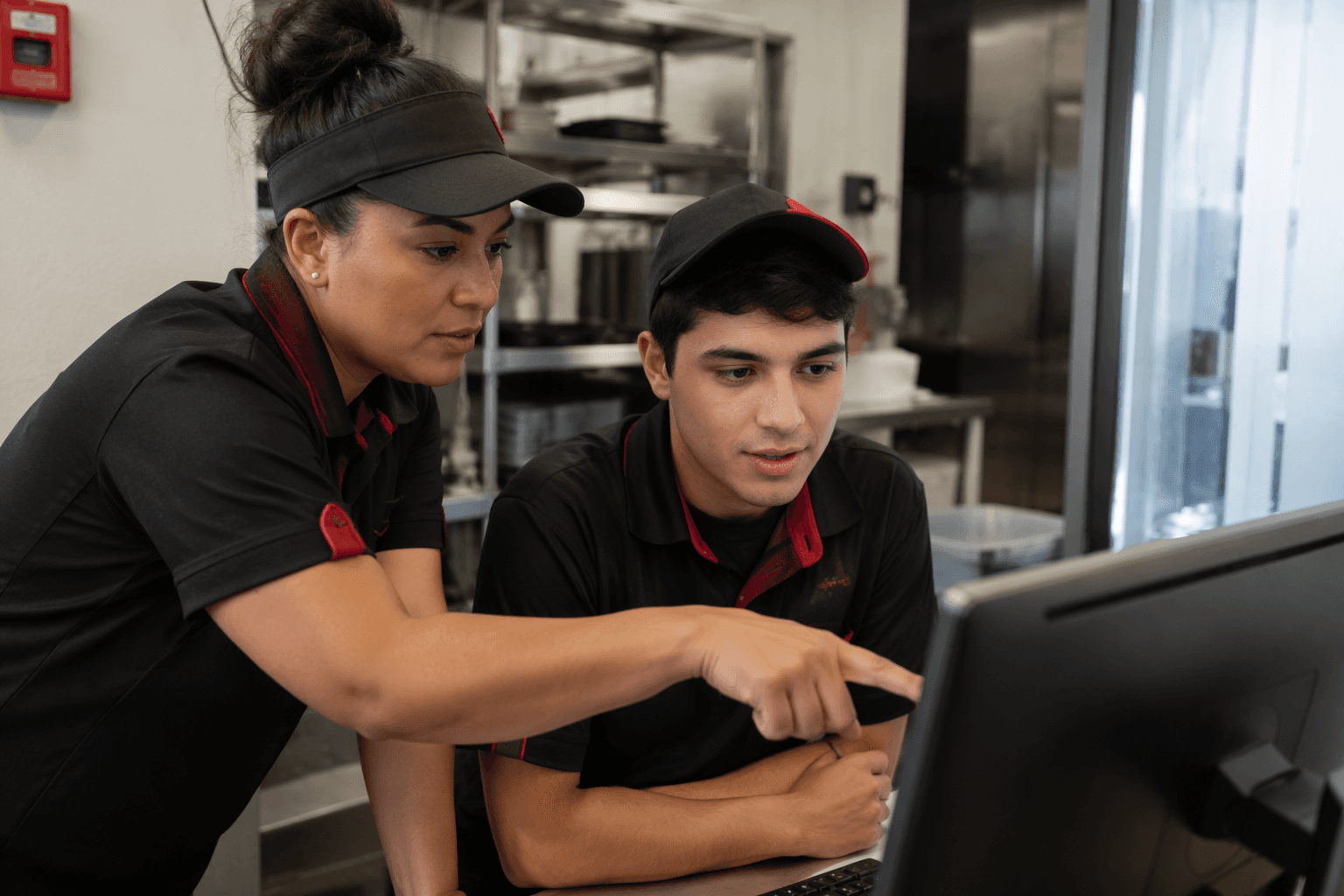
For a Pizza Hut crew member, manager, or franchise operator, Hut Link is not just another login screen. It is the doorway to the internal systems where training, account access, and role-specific resources can sit, which makes it part of the job from day one rather than a side utility.
The login page asks for a Yum!-issued or Learning Zone ID and password, and it includes a request-access flow that sends the request to the user’s organization for approval. That setup tells employees something important: access is controlled, permission-based, and tied to the company’s internal structure. If your account is not set up correctly, the portal is designed around approval, not open entry.
Why the access rules matter on the floor
Yum’s broader login pages describe the environment as a private computer facility protected by a security system. They also say access requires current written authorization and is limited to Yum! Brands business purposes. For workers, that means Hut Link sits inside a system where credentials are not a formality, but a gatekeeper.
The warning is unusually blunt. Unauthorized access can lead to disciplinary action, including termination, criminal prosecution, and civil liability. That is more than a standard password reminder. It shows that the company treats internal systems as part of its operating controls, the same way a store treats cash handling, food safety, or timekeeping.
For store teams, that matters because access problems are not just technical hassles. If training modules, internal notices, or job-specific materials live behind Hut Link, then a missing password or an unapproved account can slow onboarding, delay compliance training, or leave a promoted worker waiting on the tools needed to do the job.
Training is part of the job, not an extra
Pizza Hut’s own job postings reinforce how formal this system is. A team member posting in Ashburn, Virginia says the role follows position-specific training processes listed on Shoulder 2 Shoulder training, and it points workers to Learning Zone courses and employee handbook policies. That is a clear sign that Pizza Hut expects learning to be structured, documented, and tracked.
The takeaway for new hires is simple: onboarding does not stop at the interview or the first uniform. The company appears to expect workers to move through a defined training path, use the correct portals, and complete the materials tied to their role. For crew members, that can mean learning the basics of service, food prep, or delivery procedures through the systems managers point them toward. For managers, it means making sure those steps are explained early, not after someone is already on the line or at the front counter.
Pizza Hut’s corporate careers page adds another clue about the brand’s training style. New corporate hires spend a full day learning the company culture. That may be a different setting from a store kitchen or delivery hub, but it points to the same operating model: Pizza Hut uses formal onboarding to standardize how people learn the brand.
A large franchise system needs a controlled portal
The scale of Pizza Hut helps explain why a centralized tool like Hut Link matters. The brand says it has more than 16,000 restaurants and 350,000 team members in over 100 countries. It also says that in the U.S., most Pizza Hut restaurants are owned and independently operated by more than 100 franchise organizations.
That kind of structure creates a familiar problem for restaurant workers: the brand needs consistency, but day-to-day operations are spread across franchises with local management, different schedules, and varying levels of support. A controlled internal system helps bridge that gap. It gives the brand a common place to put training, handbooks, and internal resources while still keeping access limited to the right people.
For delivery drivers, kitchen crew, and shift leaders, that franchise reality can shape how quickly access gets handled. A store manager may control day-to-day scheduling, but the approval trail for an account still runs through the organization that owns or supports the user. That is why the request-access flow matters. It shows that getting into the system is not just about entering a password. It is about matching the right worker to the right permission set.
What workers and managers should take from it
Hut Link is a signal about how Pizza Hut operates behind the counter. The brand relies on formal training paths, restricted access, and document-driven systems to keep a large franchise network aligned. That can be frustrating when someone needs a login fixed quickly, but it also explains why the company puts so much weight on credentials, approvals, and internal rules.
For employees, the practical lesson is to treat logins, account details, and training instructions as part of the job itself. For managers, the bigger task is making sure new staff know where those materials live and how to get approved access without wasting time. In a business built on fast service, the stores that handle the back-end systems well are usually the ones that keep the front line moving.
This article was produced by Prism’s automated news system from verified source data, official records, and press releases, then run through automated quality and moderation checks before publishing. The system is built and supervised by the people who set the standards it runs under. Read our full AI policy.
Did this article answer your question?