Pressed Juicery expands into 27 CloudKitchens sites for delivery growth
Pressed Juicery will open in 27 CloudKitchens sites, betting that delivery-only kitchens still work in dense markets.
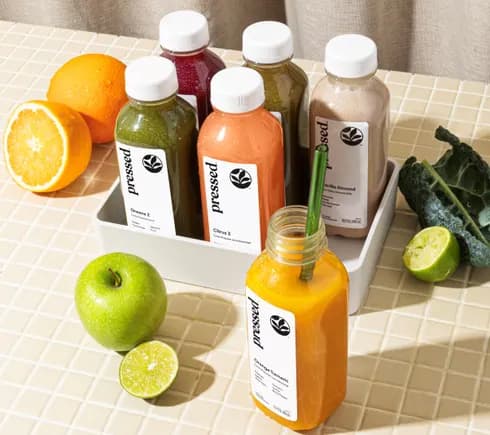
Pressed Juicery is betting that delivery-only kitchens still have a place in dense trade areas, with plans to open in 27 CloudKitchens sites by the end of summer 2026. The chain already has 100 company-owned locations and sells through 10,000 retailers, but this move adds a different kind of reach: a way to push delivery, online ordering, workplace catering, and bulk orders without building a full storefront.
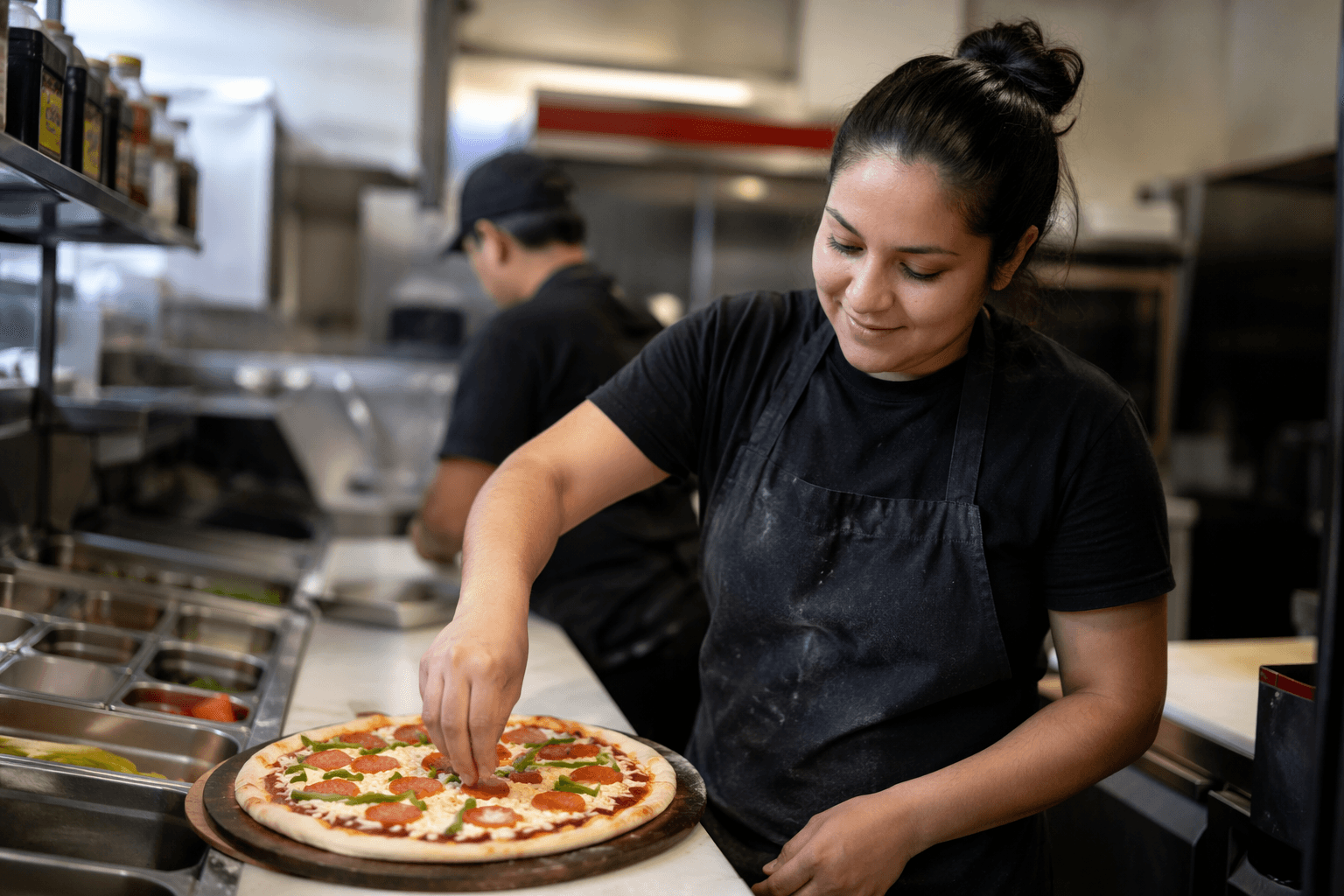
For Pizza Hut operators, the important question is not whether ghost kitchens are fashionable again. It is whether they solve a real operating problem. In the right market, a delivery-only site can widen the delivery radius, reduce the capital needed to enter a neighborhood, and capture demand that never walks into a dining room. That can be useful for a legacy pizza brand that already lives off-premise, but only if the order volume is dense enough to justify another production line, another local labor pool, and another set of delivery promises to keep.
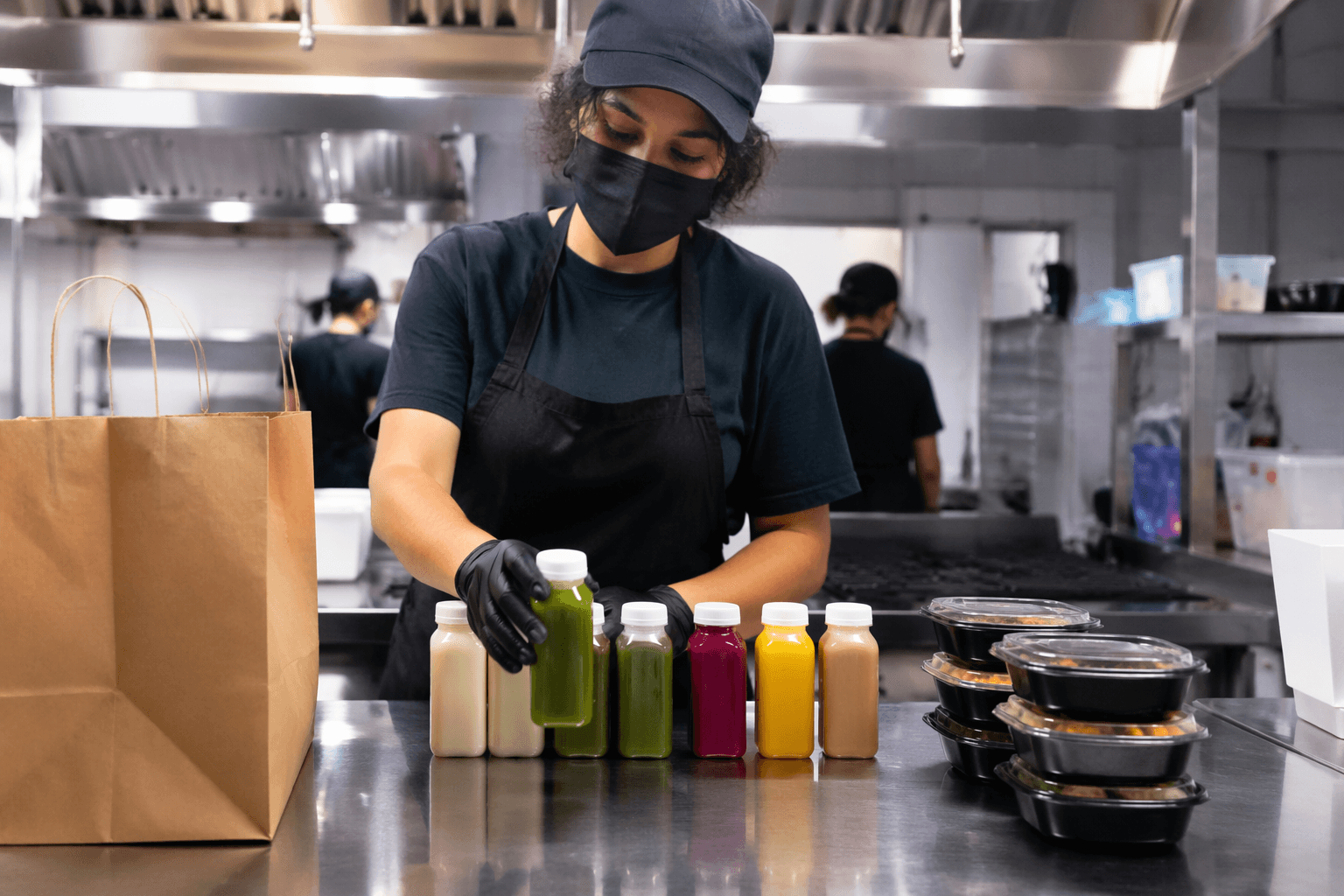
Pressed’s move also shows that off-premise growth is no longer just about a dinner order from a consumer phone. Workplace catering and bulk ordering matter, especially in high-density business districts where one kitchen can feed offices, events, and repeat digital traffic. That is a different demand profile from the standard Friday-night pizza rush, and it rewards operations that can handle volume, speed, and accuracy without the overhead of a full front-of-house buildout.
The timing is notable because delivery-only kitchens lost momentum after the pandemic boom. During 2020, food delivery use surged sharply, and the broader ghost-kitchen sector later began shrinking and consolidating. Pressed’s expansion is not proof that the model has fully come back. It is a sign that some brands still see enough margin and demand concentration to keep testing it, especially when the operator can keep labor lean and avoid the cost of a traditional dining room.
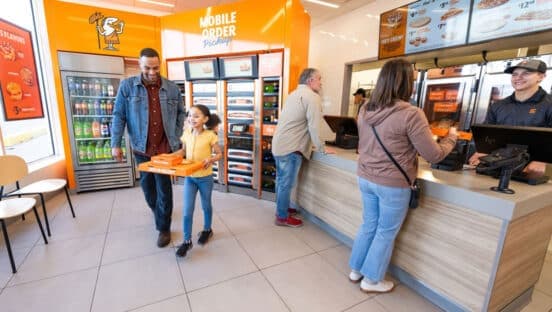
Pizza Hut has already been moving in that direction on its own terms. On December 3, 2024, the chain opened a Plano, Texas prototype with pickup cabinets, self-service kiosks, and its first U.S. Hut ‘N Go drive-thru menu. Yum! Brands has been reshaping Pizza Hut for delivery for years, starting with a $130 million modernization push in 2019, when the U.S. store count stood at 7,559. Pizza Hut now says it has more than 19,000 restaurants in 108 countries and 6,000-plus U.S. locations.
That makes Pressed’s gamble a useful marker for Pizza Hut managers and digital teams. The format is not a universal answer, but in dense markets where every extra mile of delivery demand matters, it is still a lever worth revisiting.
This article was produced by Prism’s automated news system from verified source data, official records, and press releases, then run through automated quality and moderation checks before publishing. The system is built and supervised by the people who set the standards it runs under. Read our full AI policy.
Know something we missed? Have a correction or additional information?
Submit a Tip