Rising Gas Prices Squeeze Delivery Drivers, Straining Pizza Hut's Courier Network
Gas prices jumped $1.02 per gallon in a single month to a $3.95 national average, squeezing Pizza Hut drivers' take-home pay and thinning the courier pool stores depend on.
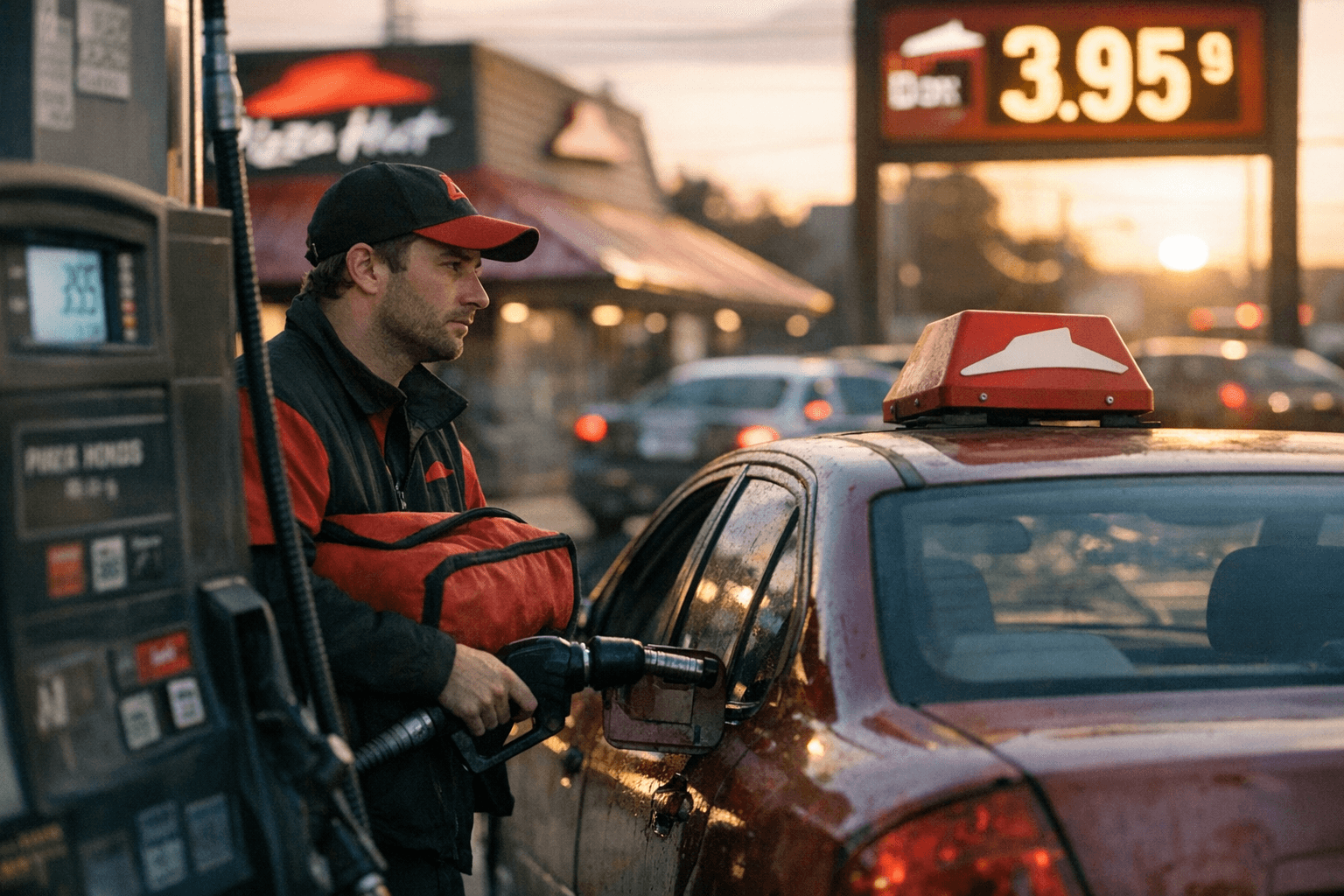
The national average for a gallon of gas reached $3.95 last week, up $1.02 from just a month ago, according to AAA, with prices pushed higher by the ongoing conflict involving Iran. For Pizza Hut drivers, whether they're on a franchise payroll or logging miles through DoorDash and Uber Eats, that figure is a direct reduction in what they actually take home.
In Detroit, a driver named Dahl, 65, told NPR he depends on gig delivery income to supplement Social Security and help cover rent, and that rising fuel costs have forced him to change how he works. On Vancouver Island in British Columbia, Kevin Hupe, 61, who runs deliveries for DoorDash, Uber Eats, and Instacart in his Honda CRV, said he had barely worked in recent weeks because of fuel prices, describing the compounding weight of gas costs, insurance, and vehicle repairs as relentless. Both drivers said they track mileage, hours, and tips on spreadsheets just to determine whether a shift is worth taking.
DoorDash announced what it called an emergency relief program running through April 26, 2026, offering 10% cash back on gas purchases for most drivers, with larger payouts for those who complete more than 125 miles of active deliveries per week. Drivers who qualify for the full program can save up to $1.90 per gallon. Dahl called it "a cool gesture, low impact," noting the benefit amounts to roughly one or two extra orders per week. Grubhub said it was monitoring the situation; Uber Eats did not respond to requests for comment. No other major platform has announced a comparable measure.
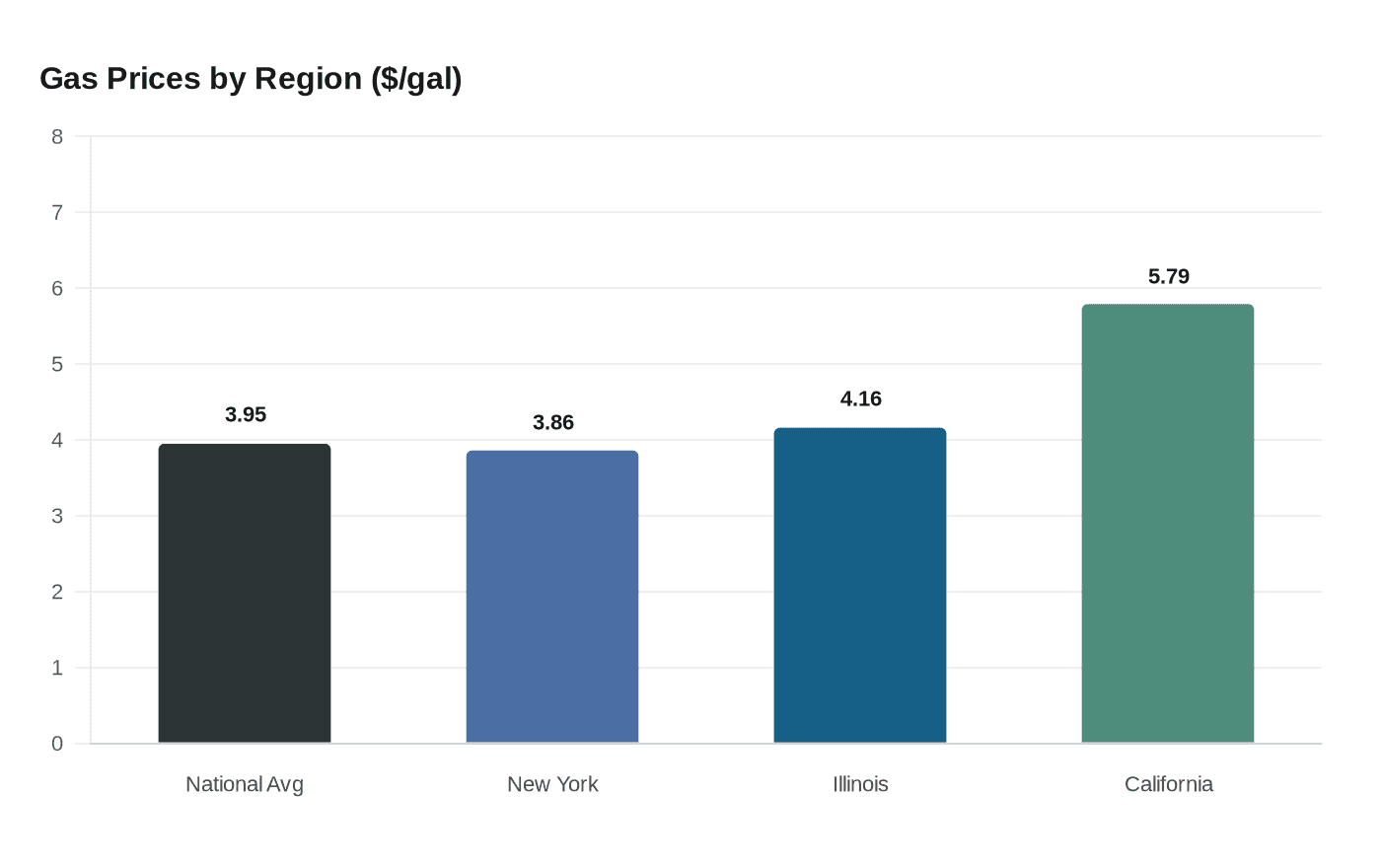
For in-house Pizza Hut drivers, the DoorDash program is beside the point. The sharper question is whether franchise-level mileage reimbursement still covers what it actually costs to drive. A flat per-mile allowance that hasn't been revisited since before this spike is now actively losing drivers money, especially in high-cost markets. California pump prices hit $5.79 per gallon; Illinois is at $4.16; New York is at $3.86. Managers who don't adjust reimbursement rates quickly may find their driver roster thinning before it shows up on a delivery report.
Stores routing orders through third-party apps face a separate but related problem. When gig couriers cut their hours because shifts no longer pencil out, delivery availability shrinks across the board: estimated arrival times lengthen, orders get canceled, and the resulting complaints land with store staff. A short-term carryout discount or a pick-up promotion can shift enough volume away from delivery to reduce exposure while the courier pool is stretched. Pre-staging orders and trimming in-store wait time for drivers costs nothing and reduces per-delivery fuel burn for any courier working the shift.
Drivers who want to press for better reimbursement should bring documentation to that conversation: mileage logs, order records, and local pump prices. Franchise operators respond faster to specifics.
DoorDash ran a similar emergency fuel program in 2022, when Russia's invasion of Ukraine sent prices to record highs. That spike eventually eased. This one is tied to a different and still-active conflict, with no clear timeline for resolution. The only reliable protection is built locally, through updated pay structures and smarter scheduling, not through temporary cash-back programs that expire before the underlying cost pressure does.
This article was produced by Prism’s automated news system from verified source data, official records, and press releases, then run through automated quality and moderation checks before publishing. The system is built and supervised by the people who set the standards it runs under. Read our full AI policy.
Did this article answer your question?