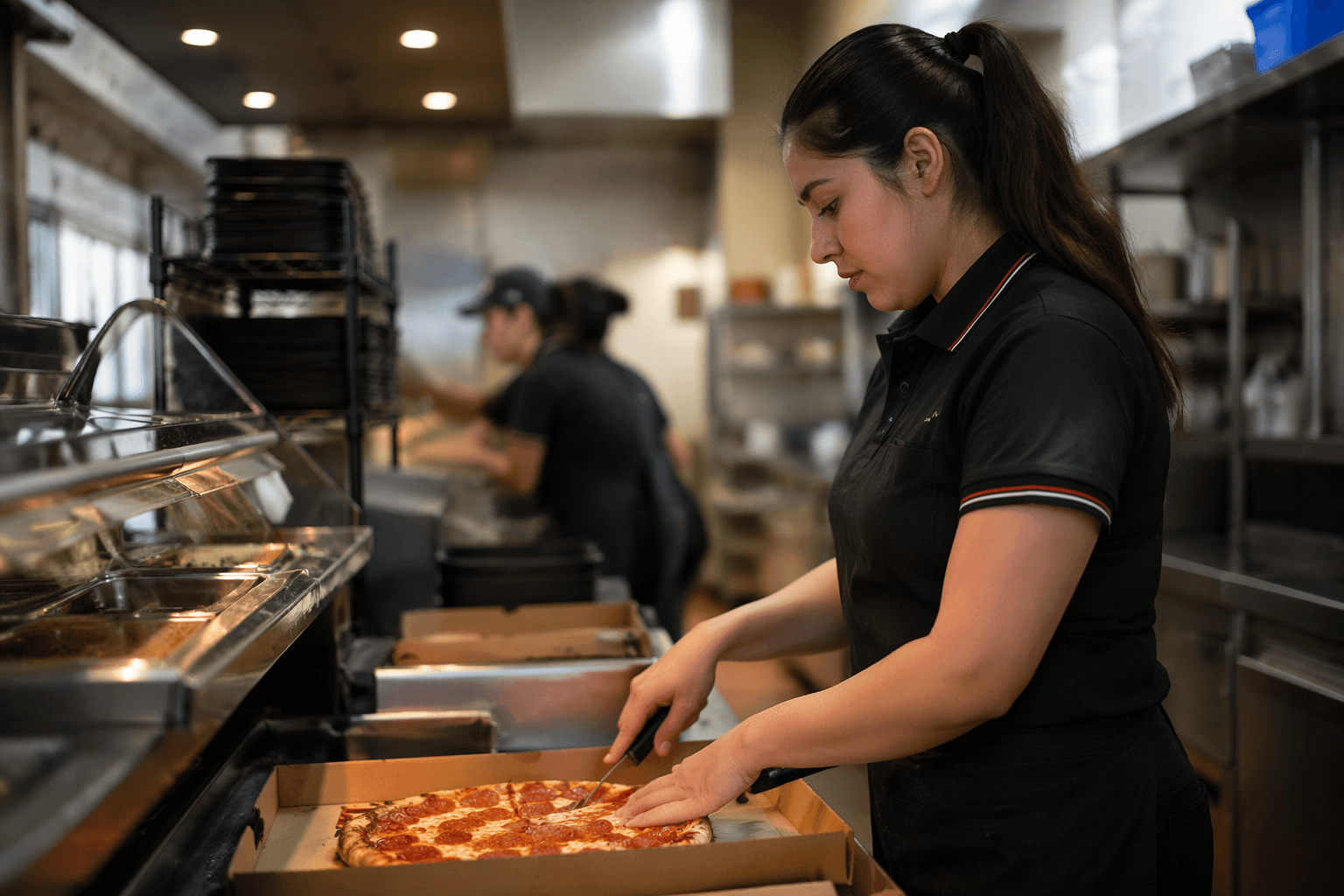
Senate Democrats propose $25 minimum wage, raising stakes for Pizza Hut workers
A Senate push for a $25 federal minimum wage could reset what Pizza Hut workers expect, even though the current floor stays stuck at $7.25.

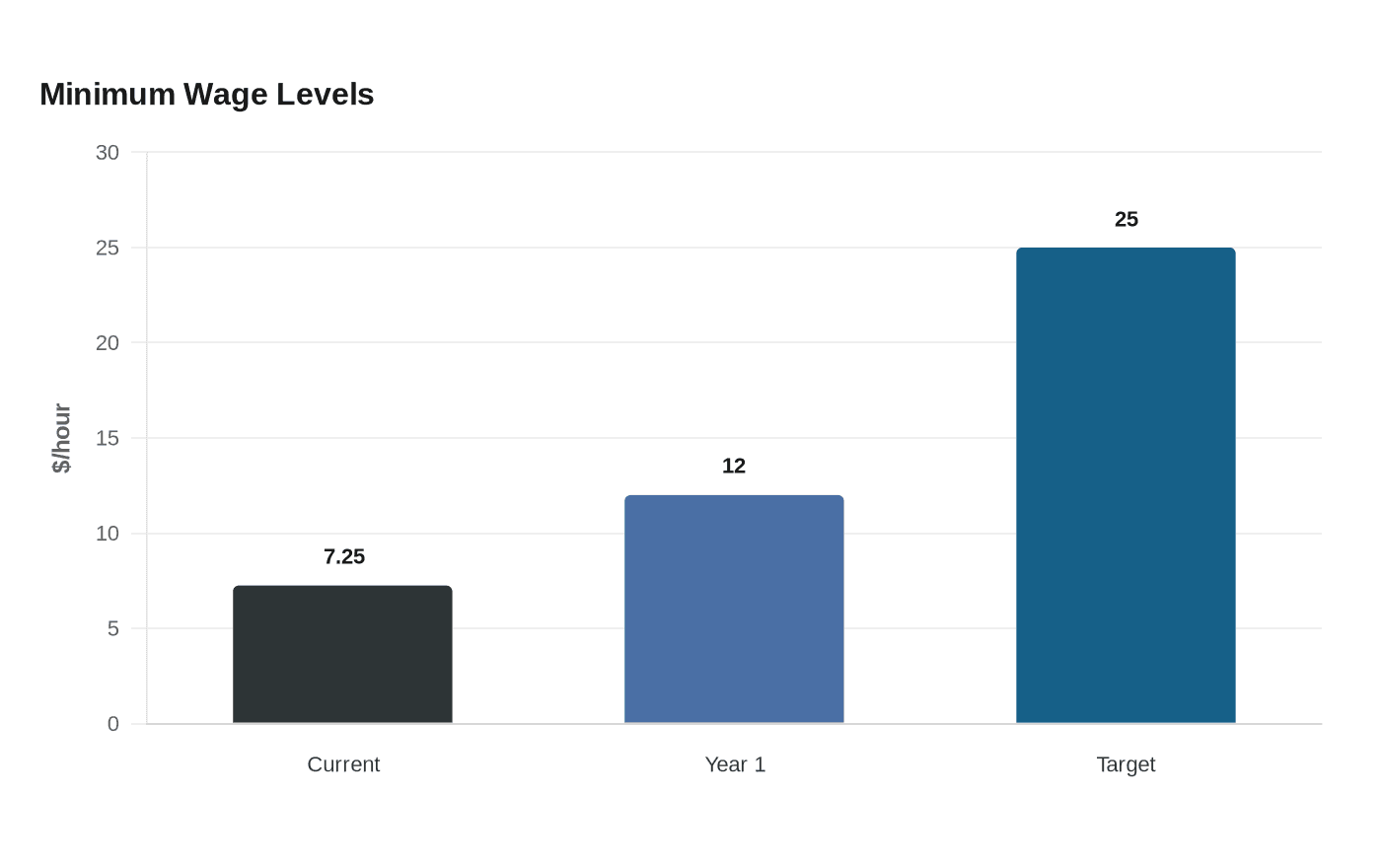
Senate Democrats introduced a bill on June 25 to lift the federal minimum wage to $25 an hour over five years, with the first step set at $12 in the first year. For Pizza Hut employees, the politics matter less than the signal: Chris Murphy has made the proposal the public face of a push to turn the minimum wage into a true “living wage,” and the number alone is already shifting what workers and franchise operators may see as a fair starting point.
The current federal minimum wage remains $7.25 an hour, unchanged since July 24, 2009. The U.S. Department of Labor says that rate applies to covered nonexempt employees, while many states set higher floors of their own. The new Senate bill would give major corporations six years to reach $25 and smaller employers 13 years, a timetable that shows the debate is not just about the headline figure but about how quickly payrolls would have to move.
Restaurant work already sits well above the narrow group still paid exactly the federal minimum. The U.S. Bureau of Labor Statistics says only about 1% of hourly workers were paid at or below the prevailing federal minimum wage in 2025. Even so, BLS data show how close restaurant pay still runs to the floor: the median hourly wage for food and beverage serving and related workers was $14.92 in May 2024, and the median hourly wage for fast food and counter workers was $14.20 in May 2023 occupational data. A $25 floor would reach far beyond the workers now earning $7.25.
The pressure lands on Pizza Hut through local franchisees, not just the brand name on the box. The National Restaurant Association projected $1.55 trillion in total restaurant and foodservice sales in 2026, while warning that persistent cost pressures, a cooling labor market, and cautious consumer spending will keep margins tight. That is the same squeeze managers feel when they try to hire drivers, keep kitchen shifts covered, and compete with nearby chains and delivery apps for workers who can move between restaurant jobs, DoorDash, Uber Eats, and other gig work.
For delivery drivers, the wage debate is especially concrete. Pay can be eroded by unreimbursed vehicle and mileage costs, and one Pizza Hut franchisee reached a $4.75 million settlement in a delivery-driver Fair Labor Standards Act dispute over alleged unreimbursed expenses. That kind of case is why a headline wage proposal can change day-to-day expectations long before Congress acts. Even if the bill stalls, Pizza Hut workers are already looking at a labor market where the old $7.25 baseline has little resemblance to what they are actually paid.
This article was produced by Prism’s automated news system from verified source data, official records, and press releases, then run through automated quality and moderation checks before publishing. The system is built and supervised by the people who set the standards it runs under. Read our full AI policy.
Did this article answer your question?