USDA summer food-safety reminder offers tips for Pizza Hut stores
USDA's holiday reminder doubles as a store-floor checklist for Pizza Hut: keep food hot, cold, and moving, and coach customers on safe carryout handling.
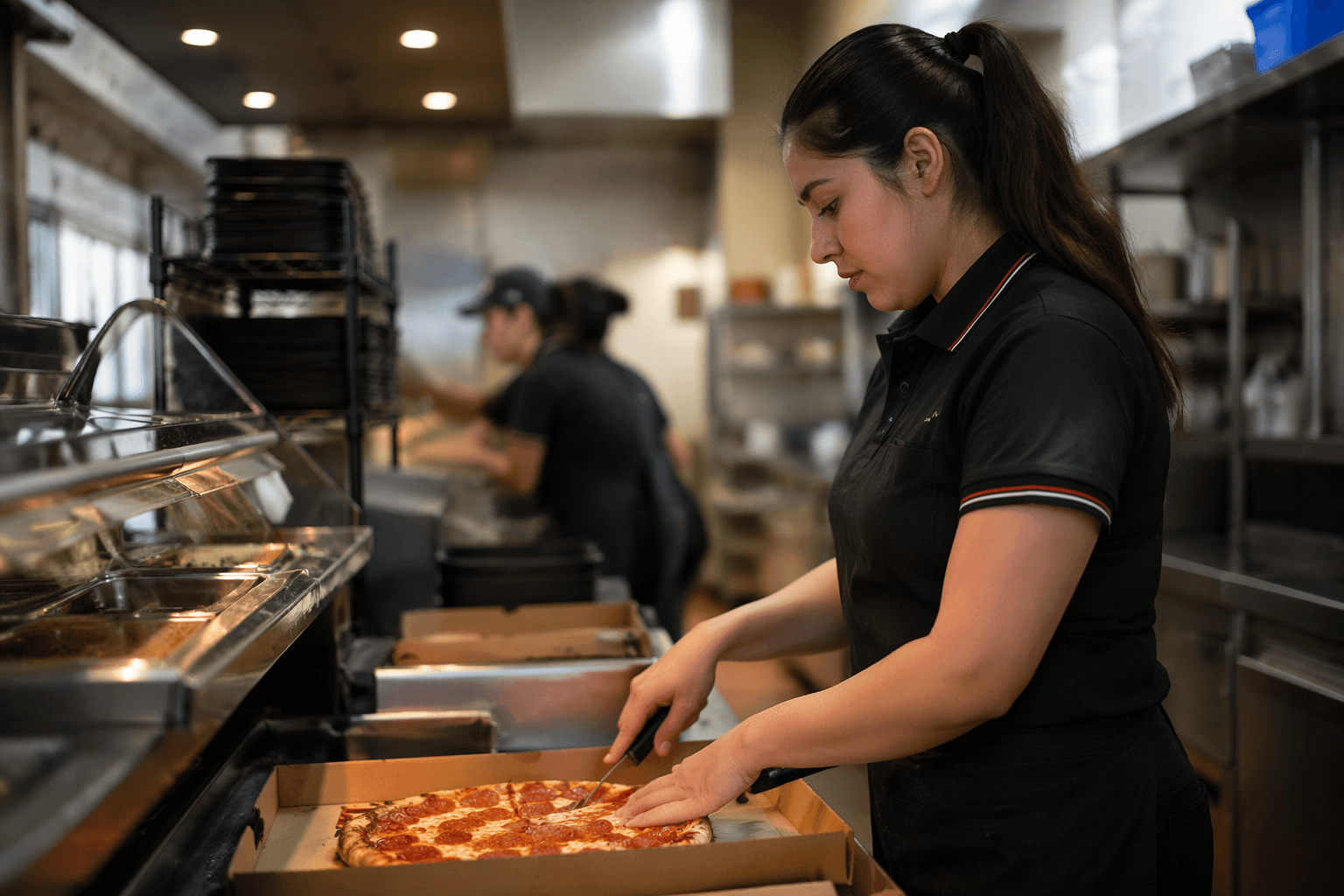
When carryout bags stack up at Pizza Hut over a holiday weekend, the USDA’s food-safety rules for cookouts apply on the line, at the make table, and at the delivery handoff. When catering-style orders get packed for parties and late-night traffic runs longer than usual, the basics matter more: keep food out of the danger zone, separate raw and ready-to-eat items, and make sure customers get clear instructions before the box leaves the store.
Holiday volume makes temperature control a front-line job
Summer heat raises food-safety risk. Dr. Mindy Brashears, USDA’s Under Secretary for Food Safety, tied the warning to the season itself and emphasized two rules that fit restaurant work just as well as backyard gatherings: keep perishables in coolers or insulated containers, and use a two-hour limit, or one hour when temperatures climb above 90 F. In a Pizza Hut kitchen, that translates to a practical habit list, not a slogan. Ingredients should not sit on the counter longer than needed, refrigerated items need to stay refrigerated, and hot-hold equipment has to do its job before food is bagged, boxed, or handed off.
Pizza Hut’s service model depends on quick movement. The company’s home page prominently pushes delivery and carryout, which means store teams are constantly managing food that will travel, wait in a car, or sit on a picnic table before it is eaten. The customer may think the order is “done” when it leaves the restaurant, but the store still owns the last safe handoff.
What hot and cold holding means on the line
Perishable take-out foods can make people sick if they are mishandled. USDA’s Food Safety and Inspection Service gives two hard benchmarks that crews can use immediately: hot foods should be held at 140 F or above, while cold foods should stay at 40 F or below. Those numbers belong on the same mental checklist as cut gloves, dough trays, and order screens. If a hot item falls below spec, it should not be treated like a timer problem to solve later. It needs attention right away, because the longer food sits in the wrong range, the more room bacteria have to grow.
That is the part managers should turn into routine coaching before the rush starts. Coolers and insulated containers only work if they are actually cold, lids stay closed, and product is rotated fast enough to avoid long room-temperature holds. Hot-hold cabinets need to be checked, not assumed. Thermometers need to be used, not trusted by feel. A busy Friday night can make every mistake look small in the moment, but the holiday weekend is exactly when small slips spread across more orders.
Handwashing and glove changes still decide the hardest-to-see risks
The USDA reminder is about heat, but the most dangerous problems often start with hands, gloves, and work flow. The FDA says people should wash their hands with warm water and soap for at least 20 seconds before and after handling food, and CDC restaurant-food-safety guidance adds handwashing, proper glove use, thermometer checks, and staying off the job when vomiting or having diarrhea. That is what keeps raw dough work, topping stations, and ready-to-eat handling from crossing paths in the wrong way.
For Pizza Hut teams, that means raw and ready-to-eat food should stay separated, gloves need to change when the task changes, and hands need to be washed every time the work pattern breaks. A driver who grabs a phone, then a pizza, then a receipt is creating the kind of contamination chain that is easy to miss in a rush. A kitchen crew member moving from one station to another without a handwash can undo an otherwise clean prep area. Holiday traffic does not excuse that; it increases the cost of getting it wrong.
Carryout customers need more than a bag and a receipt
The holiday reminder also changes the customer conversation. Many guests are buying pizza for parties, family gatherings, and backyard events, which means they may not eat it right away. That creates a customer-service job for the store: remind people that hot food should stay hot, cold food should stay cold, and leftovers should be refrigerated promptly and reheated safely before serving. The store does not need to turn into a lecture line, but it should not act as if handoff ends the responsibility.
Pizza Hut tells customers to call the restaurant listed in their confirmation email once an order is in progress, which means the store team is the first stop when timing, temperature, or packaging questions come up. In practice, that makes the crew part food-safety team and part translator. A clear answer about when the order left the oven, how long it can safely sit, or when it should be chilled does more than calm a caller. It prevents the kind of vague advice that leads to food sitting out through the whole party.
Break rooms and outside food deserve the same discipline
The holiday message is also worth applying inside the building, not just at the make line. Employee break rooms, personal food storage, and outside food brought in during hot weather all carry the same risks as customer orders. A sandwich left in a warm car or a container tucked into a room-temperature locker can turn into a problem long before the next shift starts. Managers do not need a new policy for that; they need to treat employee food the same way they treat product for guests.
Pizza Hut training checklists include routine controls around hot and cold holding temperatures, thermometer calibration, and food-safety training. The basics are the same: wash hands, use gloves correctly, use a thermometer, and keep food out of the temperature danger zone.
This article was produced by Prism’s automated news system from verified source data, official records, and press releases, then run through automated quality and moderation checks before publishing. The system is built and supervised by the people who set the standards it runs under. Read our full AI policy.
Did this article answer your question?


