Supreme Court Orders Pizza Hut Korea to Refund 21.5B Won, Spurs Reforms
Supreme Court orders Pizza Hut Korea to refund 21.5 billion won in undisclosed supply markups, a ruling that could trigger refunds and reforms affecting franchise owners and staff.
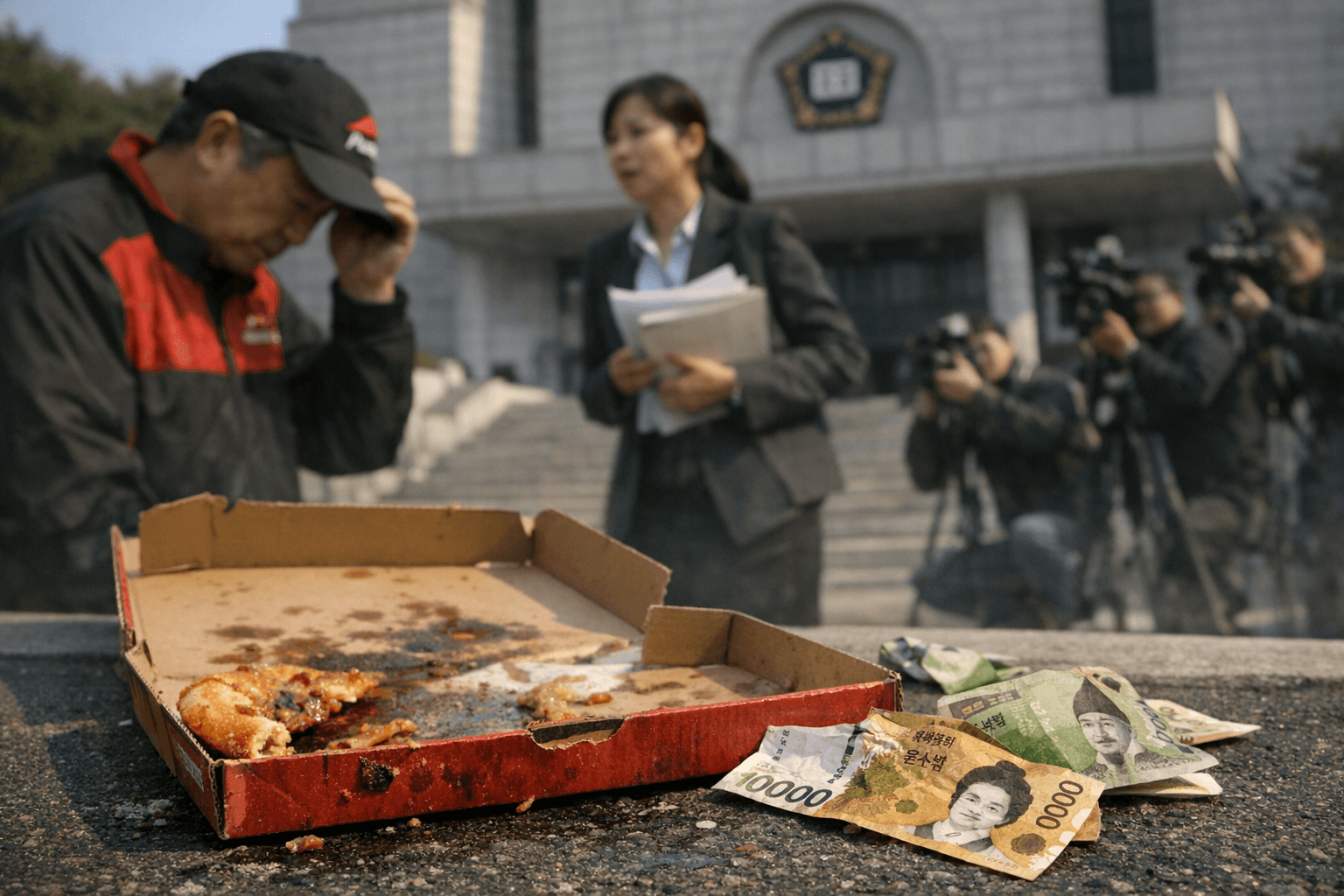
The Supreme Court of Korea finalized a judgment requiring Korea Pizza Hut to return 21.5 billion won to franchise owners for margin‑based fees the company collected, a decision that has set off debate over franchise contracts, disclosure and dispute resolution across the sector.
The refund covers fees charged between 2016 and 2022 and involves claims by about 94 Pizza Hut franchisees. The court held that markups embedded in the prices of ingredients and supplies sold by the franchisor were unlawful when they were not explicitly agreed in franchise contracts, a legal theory described as unjust enrichment. The amount ordered to be returned is roughly 21.5 billion won, about US$16 million.
The ruling has immediate practical impact for franchise owners and outlet workers. Many franchise owners seek repayments that could alter store-level finances, and franchisors face potential retroactive liabilities that may affect investment, staffing and ongoing operations. Korea Pizza Hut said, “We respect the court’s decision and take the outcome of this matter very seriously,” and added that its “ongoing rehabilitation and sale procedures are proceeding as planned under court supervision.”
Industry data and surveys suggest this is a sectorwide problem. A government survey found more than 60 percent of franchisors relied entirely on margin fees or combined margin fees with royalties, and a Seoul review found nearly half of local brands charged supply markups. Another industry finding cited that 78 percent of supplies are delivered on a regular‑supply basis, a structure that secures headquarters’ profits even if franchisee sales fall. Roughly 20 other brands across fried chicken, burger, coffee and supermarket sectors already face similar lawsuits, and industry contacts warn more claims are likely.
Lawmakers, regulators and industry groups met at a National Assembly forum on Feb. 5 to discuss fixes. Panelists at the forum called for collective solutions and urged mediation rather than prolonged litigation, saying, “Collective solutions such as dispute mediation or a social consensus should be pursued in parallel.” Seoul officials have urged the Fair Trade Commission to revise standard franchise agreements across 13 industries to require clear definitions of supply markups, disclosure of whether they are collected, details on calculation methods and rates, clarification of cost‑sharing and rules for changes. A Seoul city official said, “Supply markups are a significant cost component in franchise operations. It is essential that they be fully explained and clearly agreed upon at the contract stage.”
Legal advisers and franchise owners are already mobilizing. An industry insider said, “I understand that many franchisees had been planning to sue for the return of margin‑based franchise fees but decided to wait for the Supreme Court ruling before proceeding,” and warned, “These related lawsuits are likely to expand.” Another franchise‑industry official added that franchisees are consulting law firms and that lawyers are encouraging litigation, adding, “We are very concerned about the fallout.”
For workers and franchise owners, the near term will be shaped by how quickly refunds are implemented and whether regulators rewrite contract standards to prevent future disputes. The 2024 revision to franchise law, which requires explicit disclosure of margin‑based fees in contracts, may protect newest agreements, but older contracts remain vulnerable. Expect more legal filings, regulatory guidance from the Fair Trade Commission and continued industry pressure for mediation and clearer, upfront fee disclosure.
This article was produced by Prism’s automated news system from verified source data, official records, and press releases, then run through automated quality and moderation checks before publishing. The system is built and supervised by the people who set the standards it runs under. Read our full AI policy.
Did this article answer your question?