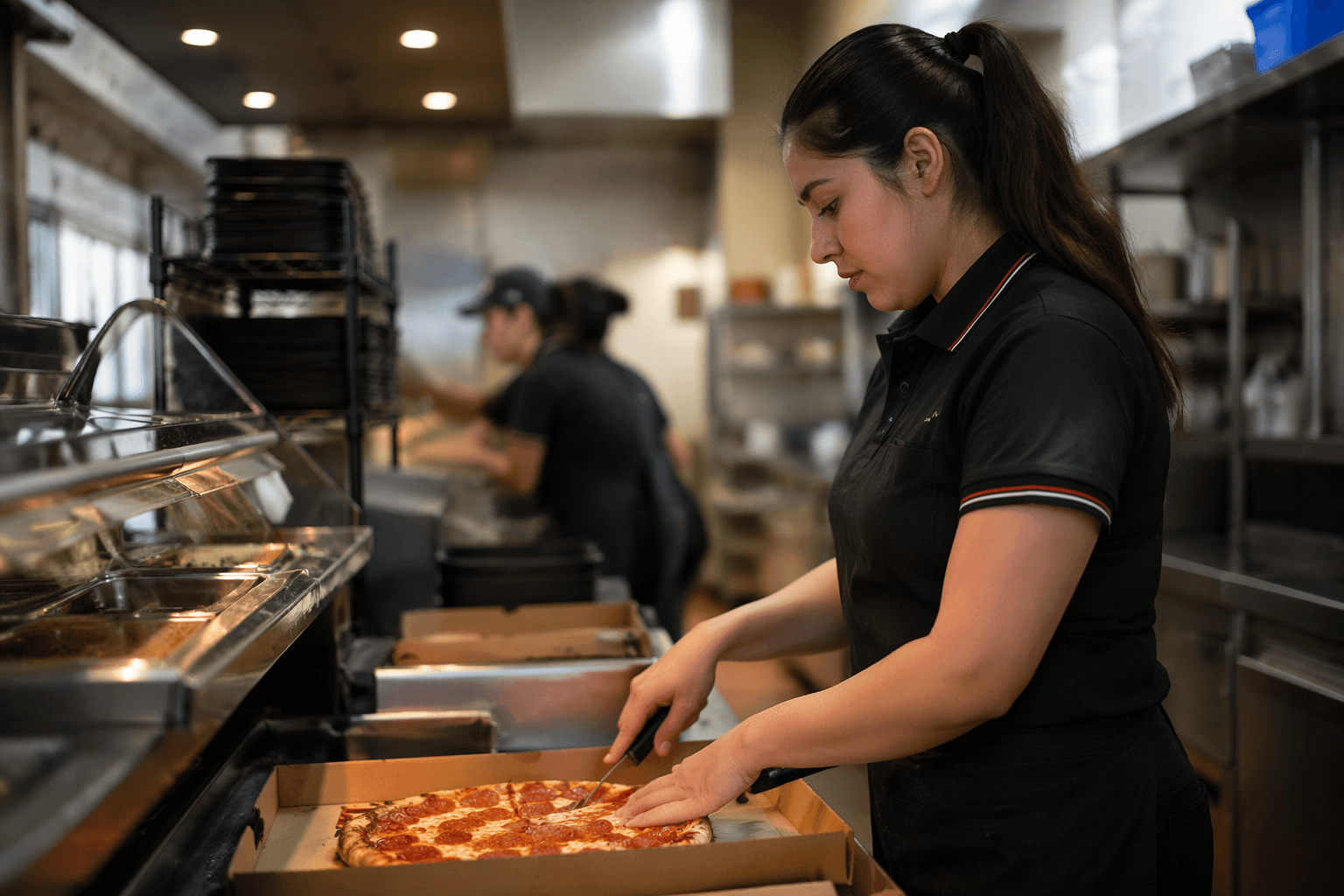
Viral #BoycottPizzaHut posts spark operational pain for staff
Screenshots of Pizza Hut Israel posts drove the #BoycottPizzaHut trend on Jan 11, 2026, prompting calls for global boycotts and tangible impacts for franchise employees and local stores.
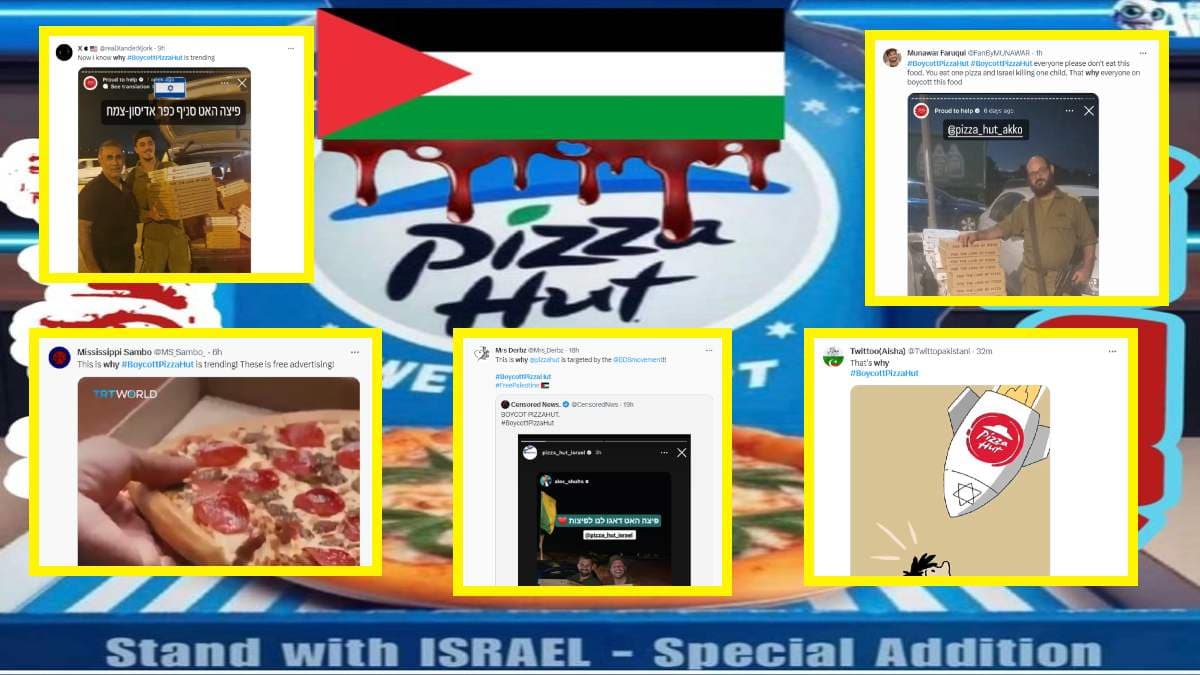
On Jan 11, 2026, a wave of screenshots and reposts showing Pizza Hut Israel content, including alleged free meals for Israeli service members and other earlier Israel-market posts, ignited the hashtag #BoycottPizzaHut across social platforms. The online surge focused attention on brand actions in one market and quickly amplified calls for global consumer action, especially in countries with strong pro-Palestine public sentiment.
What began as social sharing translated into offline consequences in several markets. Posts tied to the hashtag were linked to temporary outlet suspensions, noticeable drops in footfall at some locations, and heightened pressure on local franchise operators to respond. For crew members and store managers, those shifts have real operational outcomes: reduced hours, temporary closures, and in some cases relocations or altered store access as franchise teams try to manage safety and sales impacts.
The anatomy of the episode highlights how a global franchise model can leave frontline employees vulnerable to decisions or content originating in another market. Local Pizza Hut outlets are often franchised businesses operated by independent owners; staff on the ground typically do not set regional marketing or policy, yet they absorb the effects when a brand-level controversy goes viral. The social-media dynamic also raises scheduling and staffing challenges: managers juggling short staffing when foot traffic drops, employees facing unpredictable shifts, and franchise operators balancing customer safety with payroll and lease obligations.
This incident underscores a broader trend in which social networks act like fast-moving toppings of public sentiment that can overwhelm traditional crisis channels. Viral content travels faster than corporate responses, and when consumer calls for boycotts gain momentum, they can force near-immediate business decisions at the store level. That can mean temporary suspensions of operations while franchisees assess risks, or reactive measures such as increased security presence, altered hours, or targeted promotions to win back customers.
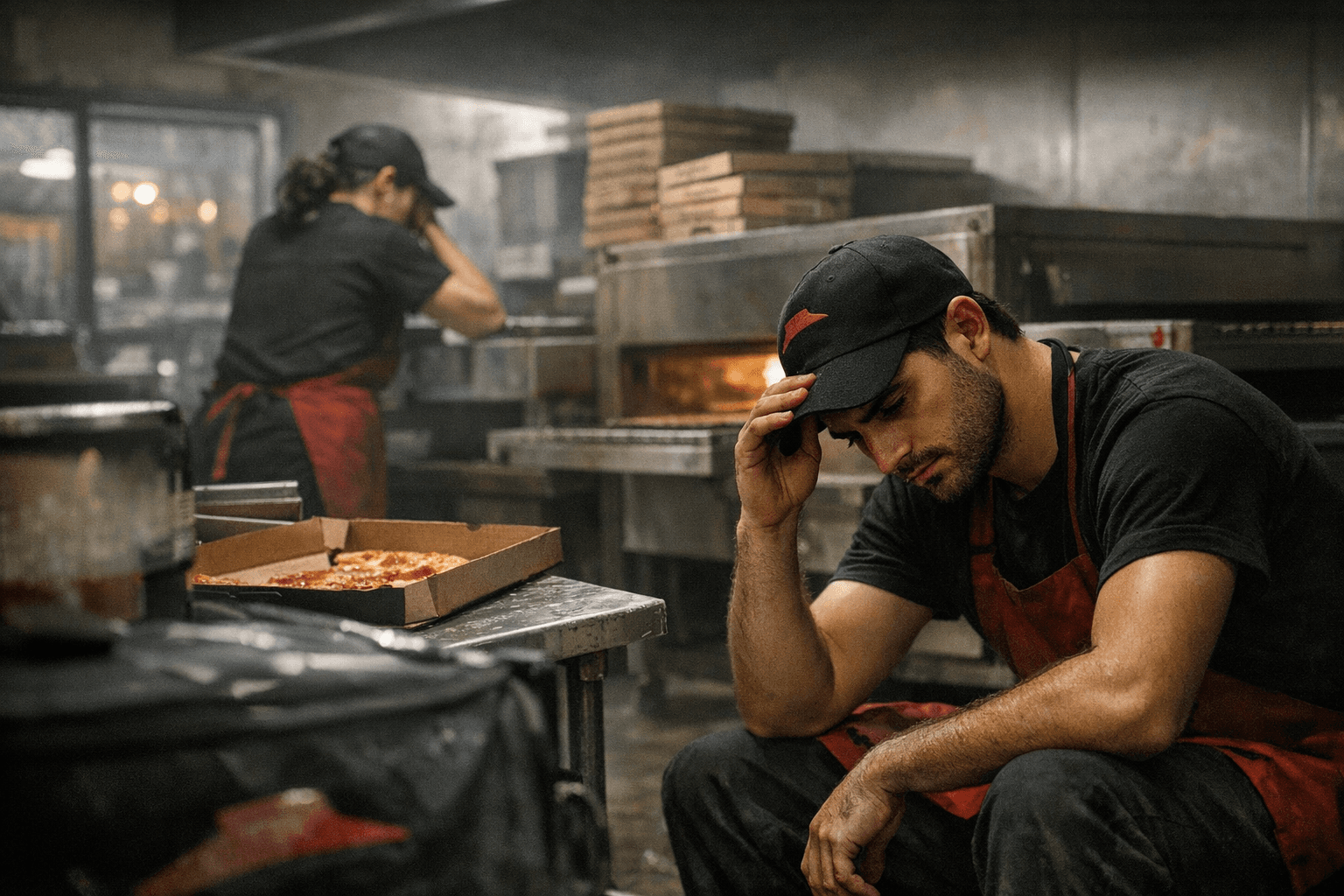
For workers, the practical implications are straightforward: expect operational volatility when online campaigns target a brand. Managers and franchise owners will need contingency plans for staffing, communication with employees, and customer handling. For franchise teams, transparency with staff about scheduling and safety measures can reduce uncertainty during volatile periods.
As the social-media conversation evolves, the next phase will be whether corporate or franchise leadership issues coordinated responses that stabilize operations and reassure local teams. For now, the episode is a reminder that digital movements can have immediate, tangible effects in the day-to-day work of pizza crews and franchise staff worldwide.
This article was produced by Prism’s automated news system from verified source data, official records, and press releases, then run through automated quality and moderation checks before publishing. The system is built and supervised by the people who set the standards it runs under. Read our full AI policy.
Did this article answer your question?