2026 minimum wage hikes could reshape restaurant pay and staffing
Wage hikes can raise cooks’ and support staff pay, but they can also trigger shorter shifts, tighter staffing, and new tip-credit scrutiny on the next pay cycle.
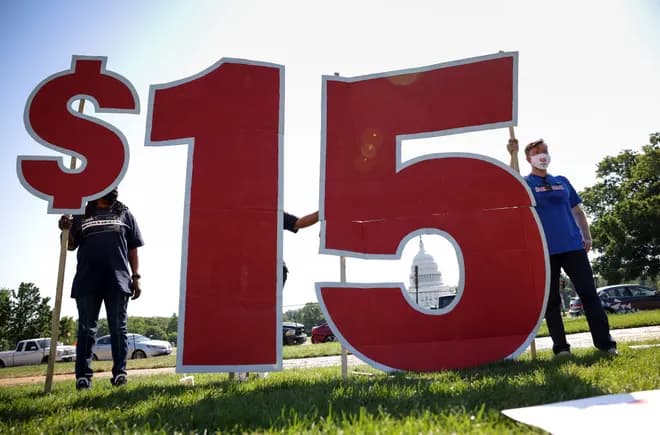
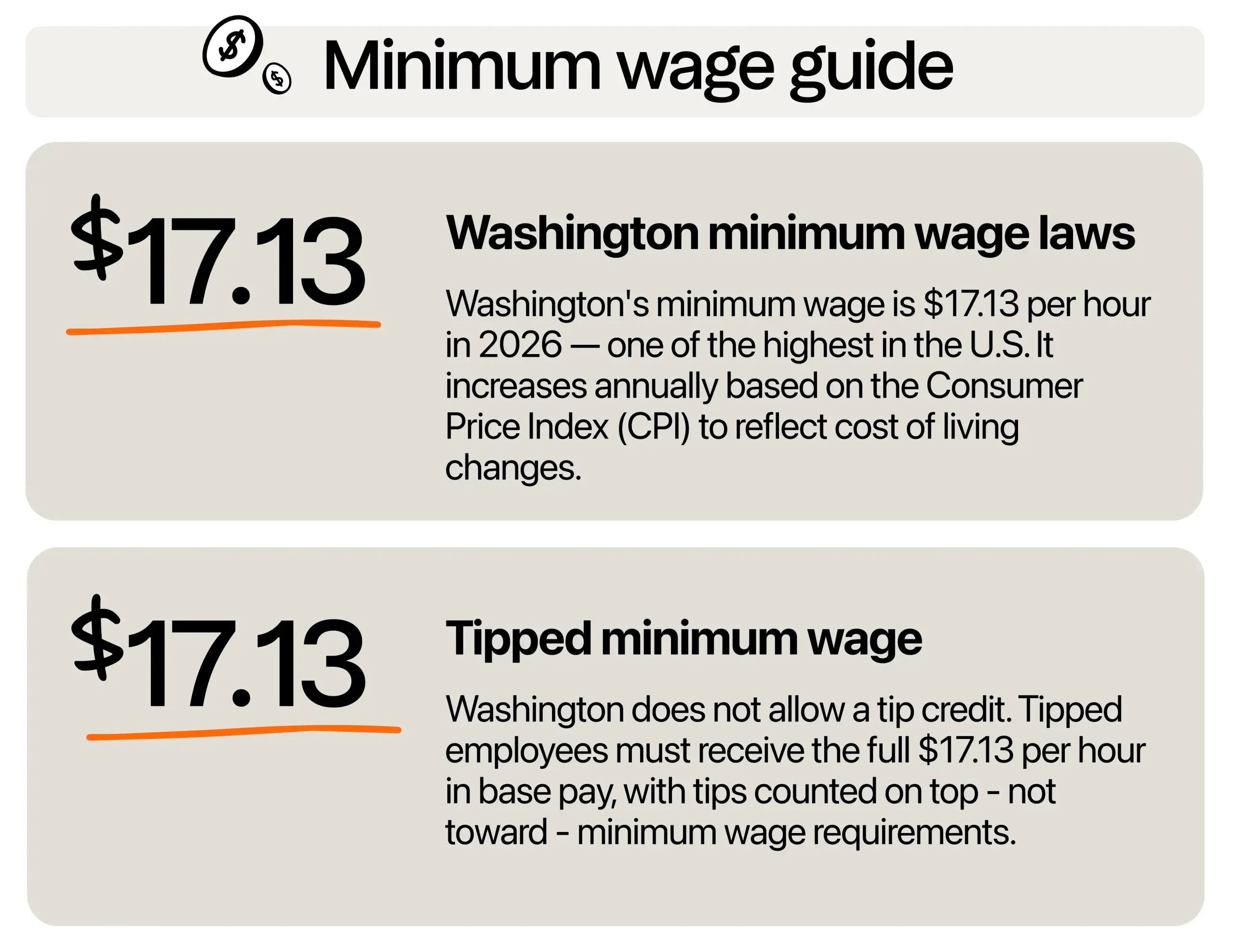
Washington state is set to reach $17.13 an hour, the highest minimum wage in the country, while the federal wage has been stuck at $7.25 since 2009. In a restaurant, that split can show up on the first paycheck of the year, in the number of prep shifts posted, and in whether a server’s tips still cover the gap between base pay and the federal minimum. For restaurant workers, it changes who gets hours, who gets cut, and how much pressure lands on the back of the house.
What the new floor means for restaurant pay
The federal minimum wage remains $7.25 an hour. The cash tipped wage floor is $2.13, and employers using the federal tip credit can claim up to $5.12 of an employee’s tips toward the minimum wage. Tipped employees must regularly earn more than $30 a month in tips to qualify under the federal standard, which is why servers and bartenders live under a different wage system than line cooks, dishwashers, bussers, and hosts.
State hikes do not hit every role the same way. A cook or dishwasher who is not depending on tips gets a direct hourly bump when a state minimum rises. A server or bartender may see the base wage move too, but the cash wage, tip credit, and local rules can change the size and timing of the real raise. Congress added the tip credit to the Fair Labor Standards Act in 1966, and the result is still a patchwork that makes one restaurant job look very different from another, even on the same shift.
Why the same raise can feel different on the floor
Higher base pay narrows the gap between tipped and non-tipped jobs in some markets, which can affect hiring and retention. If a dishwasher can earn closer to what a server makes before tips, restaurants have less room to lean on the old argument that back-of-house workers must absorb low wages because they do not bring in customer gratuities. That is one reason minimum wage hikes can help close the pay gap between front of house and back of house, even when the tip system itself does not change.
Tipped wage rules vary widely by state. That is a compliance issue for chains with locations in multiple jurisdictions, but it is also a real paycheck issue for workers who move between stores, cross state lines, or work for operators that use one payroll playbook in more than one market. A restaurant that gets the cash wage right in one city can still be out of step in another if the state or local floor is higher.
Where the pressure lands in 2026
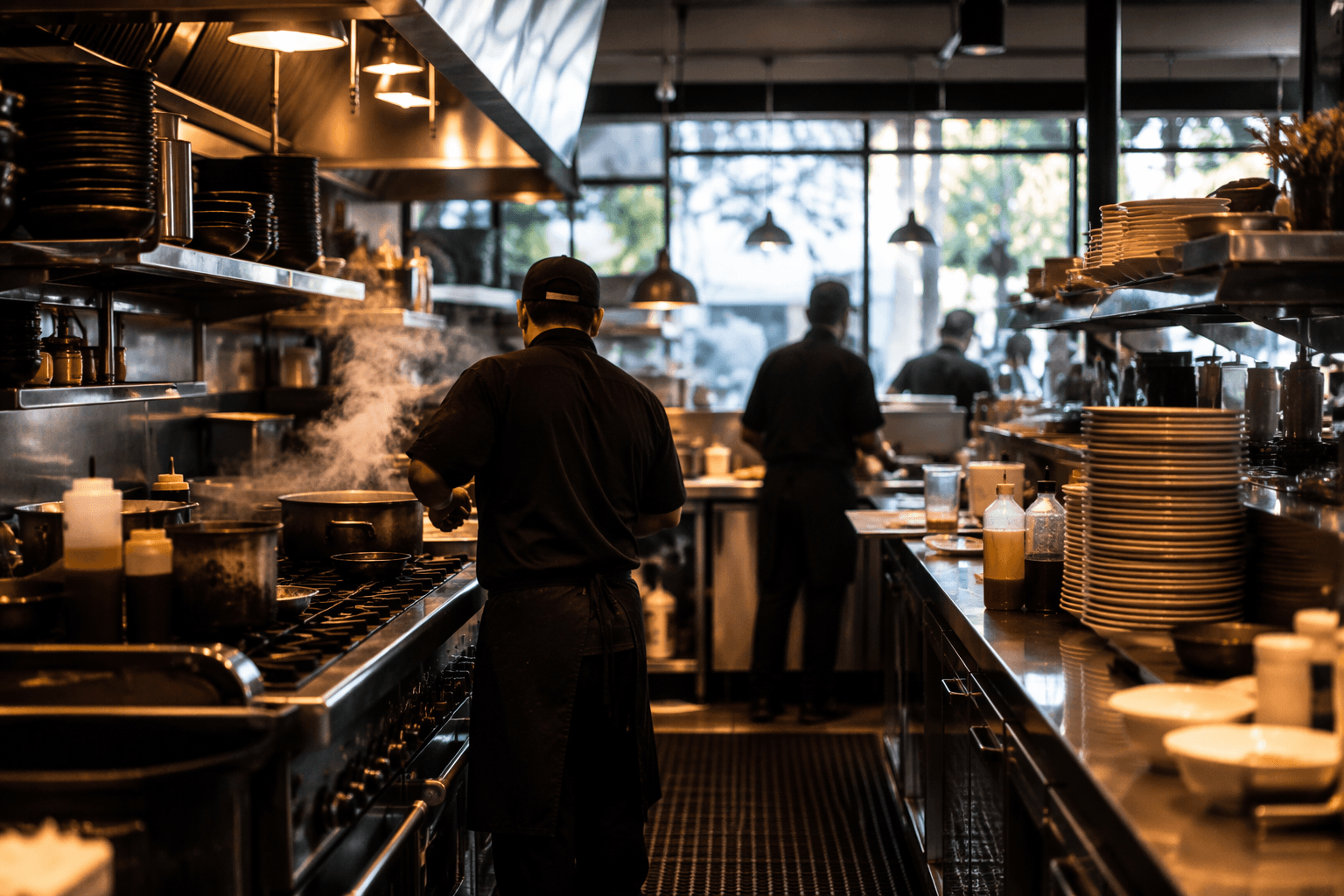
The National Employment Law Project counts 68 cities, counties, and states raising minimum wages on January 1, 2026, with 26 more increases later in the year. Nearly 20 states are scheduled to raise minimum wage in 2026. The first shift after a rate change is often when mistakes surface, especially in restaurants that run lean payroll teams and high turnover.
January 1 is the big date, but it is not the only one. Some wage hikes land later in the year, so a worker in one state may see a new floor in January while a coworker in another state waits months for the increase to hit. If you work for a multi-unit group, the date can also vary by city or county, which means the same chain may need different payroll settings in different dining rooms.
How restaurants may react
A wage hike can become a management stress test in practice. Restaurants often respond by trimming hours, changing staffing, adjusting schedules, or raising prices, all of which can spill into the daily rhythm of service. That can mean fewer midday prep shifts, tighter closing crews, fewer split shifts, or more scrutiny over who gets the first cut when sales are slow.
For back-of-house workers, the immediate upside is a higher base wage. For front-of-house workers, especially in tipped positions, the effect is more complicated because management may look for ways to offset labor costs without changing the menu price all at once.
What to check on the first paystub
The first paycheck after a new rate takes effect is where workers can catch a problem before it snowballs. If your state or local minimum changed, compare your paystub to the posted wage and to the hours you actually worked. If you are in a tipped role, check that the base cash wage, tip credit, and reported tips still add up to at least the legal minimum for the hours you worked.
Use this checklist when the new rate hits:
- Confirm the hourly rate on the stub matches the new state, county, or city minimum for your job classification.
- If you are tipped, check the cash wage line and make sure the restaurant is not still using the old federal $2.13 floor where a higher state rate applies.
- Review the tip credit amount, if your restaurant uses one, and make sure your wages plus tips reach at least the minimum wage for every shift.
- Compare scheduled hours to your normal pattern. A wage increase should not quietly turn into fewer shifts without explanation.
- Look for any change in how support staff, closing crews, or prep hours are assigned, because labor cuts often start with the least visible shifts.
- Save a copy of the first paystub after the change. If the wage is wrong, that record is the fastest way to document the mismatch.
What managers need to get right
Managers need to build wage updates into scheduling, hiring ads, budget forecasts, and timekeeping before the effective date. If a restaurant operates across state lines, the payroll system has to reflect the right floor in each location, because one bad template can create a compliance problem across an entire group of stores.
This article was produced by Prism’s automated news system from verified source data, official records, and press releases, then run through automated quality and moderation checks before publishing. The system is built and supervised by the people who set the standards it runs under. Read our full AI policy.
Did this article answer your question?