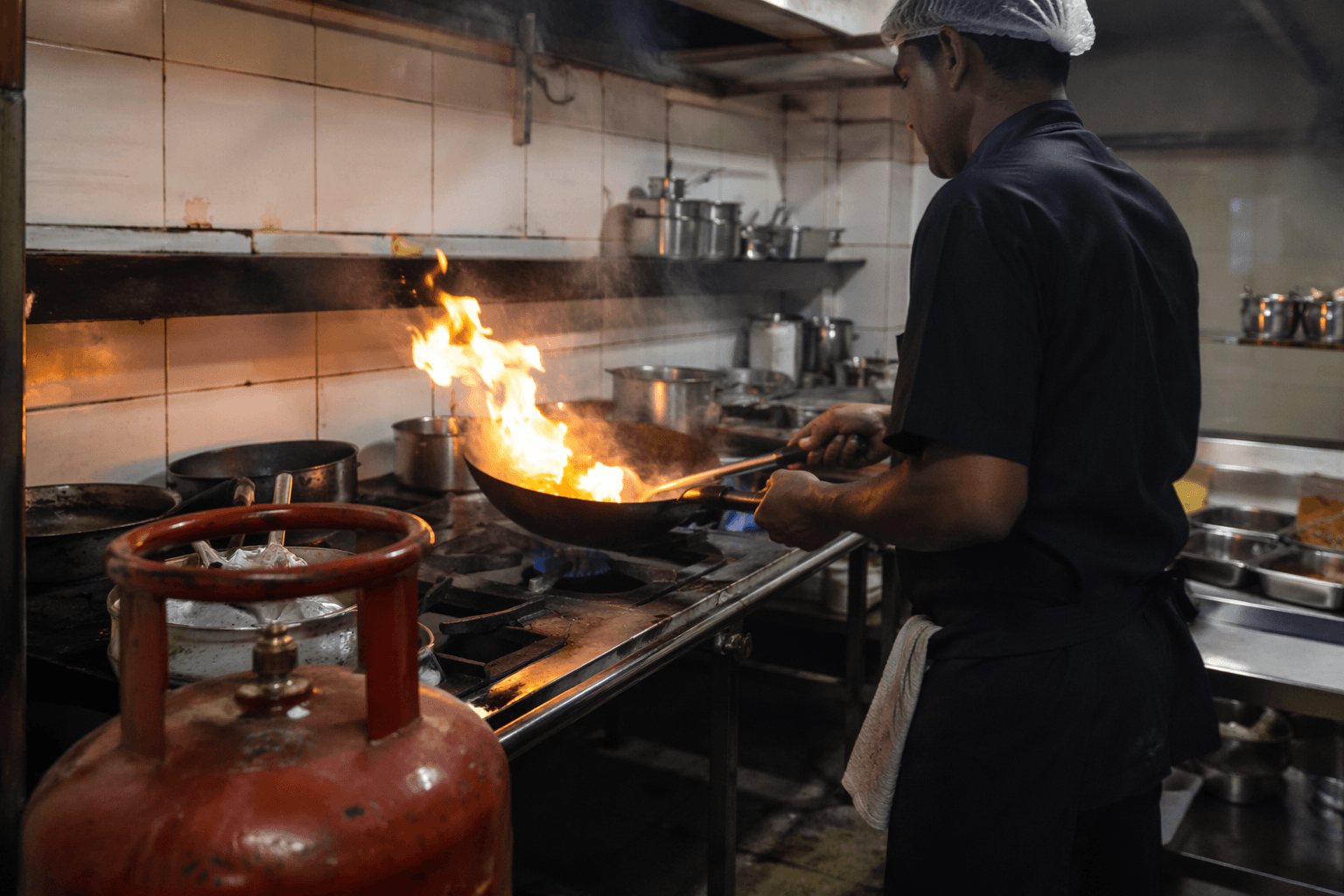
BLS says cooks learn on the job, wages and openings rise
Cooks can still climb fast without a degree, but the real jump comes from station mastery, trust, and the extra duties that lead to bigger paychecks.

The kitchen ladder still starts with repetition
The best cooks are usually the ones who can survive the rush without getting rattled, and that is still how the job works. The Bureau of Labor Statistics says cooks work in restaurants, schools, hospitals, private households, and other places where food is prepared and served, with schedules that can run into early mornings, late evenings, holidays, and weekends.
That reality matters because the path up is built on availability as much as talent. Most cooks work full time, though part-time work is also common, and the people who move fastest are usually the ones who can handle the hours that make everyone else tired. In restaurant life, that can mean closing shifts, weekend brunches, and the shifts where the dining room is packed and the line is backed up.
What actually gets you hired, trained, and promoted
Cooks typically learn through on-the-job training and related work experience, and no formal education is required. Some people do attend culinary school, but the occupation does not require it, which keeps the door open for workers who want to start earning before they spend years in a classroom.
That is why the first real promotion tool is usually station mastery. If you can move from prep to grill, from sauté to pantry, or from one station to another without slowing the whole kitchen down, managers notice. The job is not just about making food taste good. It is about repetition, speed, timing, sanitation, and staying steady when the line gets slammed.
For cooks trying to advance, the practical moves are usually simple but demanding:
- Learn one station deeply before asking for three more.
- Treat sanitation and consistency as promotion skills, not side tasks.
- Take feedback from the most experienced cook on the shift, then use it the next night.
- Volunteer for the work that is less glamorous but harder to fake, like setup, breakdown, and prep accuracy.
That kind of learning is what turns a prep cook into a line cook, and a line cook into someone a chef or manager trusts with more responsibility.
The money is better than many people think, but still tight
The BLS says cooks earned a median hourly wage of $17.19 in May 2024. That is a useful benchmark because it shows the job can pay a real wage, but it also shows how far cooks still have to go before the industry starts feeling financially secure.
The broader food preparation and serving occupations group had a median annual wage of $34,130 in May 2024, which sits below the $49,500 median for all workers. That gap is one reason so many cooks treat the job as a launch point rather than a final stop. If you are trying to build a career in restaurants, the pay ceiling usually depends on whether you keep moving into jobs that add supervision, ordering, costing, and menu responsibility.
The outlook is not static either. Employment of cooks is projected to grow 5% from 2024 to 2034, and the occupation is expected to generate about 432,200 openings each year on average over the decade. The broader food preparation and serving group is projected to produce about 2.6 million openings a year on average, which tells you something important about restaurant work: openings are constantly being created by turnover, movement, and growth.
How to turn kitchen work into a bigger title
If you want to move from prep or line work into lead cook, sous chef, or kitchen management, the jump is rarely about one single skill. It is about becoming useful in the parts of the job that affect the whole operation.
A lead cook is often the person who can keep a station moving and back up another one when a teammate gets buried. In many kitchens, the step toward a sous chef or other management role looks like the same thing, only with more oversight: keeping service moving, solving problems before they spread, and helping decide how the kitchen runs when it is short-staffed.
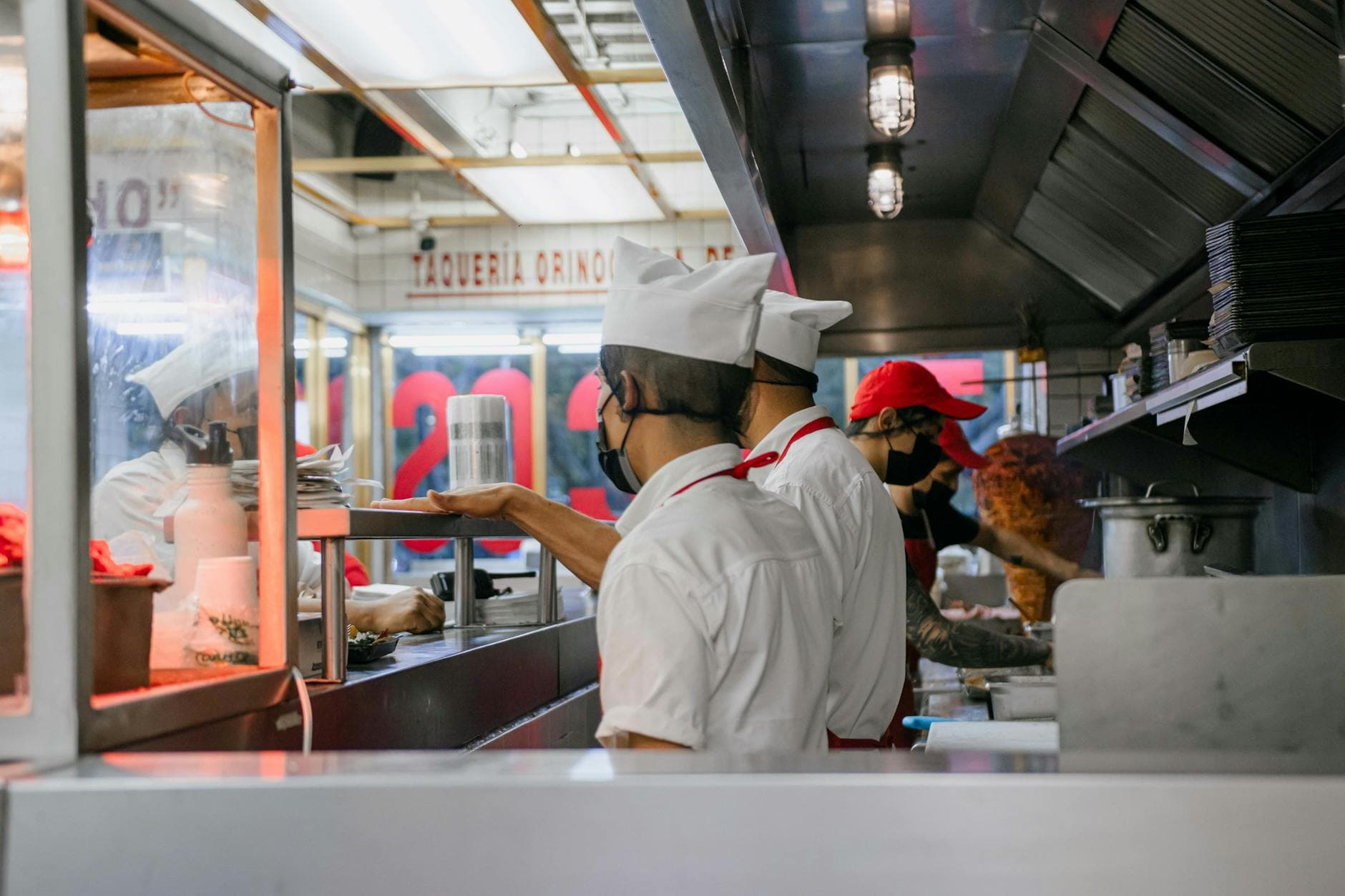
The BLS description of restaurant cooks makes that progression easy to understand. Restaurant cooks may also order supplies, keep records and accounts, price items on the menu, or plan the menu. Those are the tasks that move you beyond pure production and toward control of labor, inventory, and cost.
That means the most important stretch goals are not always about cooking a fancier dish. They are about learning the parts of the operation that affect money and staffing:
- Ordering: understanding what the kitchen needs before it runs out.
- Records and accounts: knowing how the back end works, not just the pass.
- Menu pricing: seeing how a plate’s cost affects the business.
- Menu planning: learning why certain dishes stay, change, or disappear.
Once you can do those things, you are no longer just filling tickets. You are helping manage the kitchen.
Why apprenticeships matter more than they used to
For cooks who want a more structured path, Registered Apprenticeship is the clearest formal version of the on-the-job ladder. The U.S. Department of Labor says it combines paid work experience with a mentor, classroom instruction, progressive wage increases, and a portable, nationally recognized credential.
That matters because it gives workers something restaurant life often lacks: a visible staircase. Instead of waiting for a manager to decide you are ready, an apprenticeship can tie learning to pay increases and an actual credential you can carry to another employer.
The hospitality side is growing too. Apprenticeship.gov says 10,040 registered apprentices were served in the hospitality industry in 2025, up 26% over five years. A 2023 Department of Labor hospitality fact sheet said there were 7,140 registered apprentices in 2022, and a 2024 fact sheet said 5,642 were served in 2023. That trend suggests more employers are using structured training instead of hoping workers absorb everything by osmosis.
The National Restaurant Association says its apprenticeship tracks include line cook, kitchen manager, and restaurant manager, and that the programs are free to employers and employees. For cooks, that is a practical bridge between entry-level kitchen work and the jobs that come with more money and more authority.
The schedule tradeoff is part of the promotion deal
Moving up in a kitchen usually changes your paycheck, but it also changes your life. The early mornings, late evenings, holidays, and weekends do not disappear when you get better at the job. If anything, the people who advance are often the ones who can absorb the least convenient hours because managers need reliable coverage where the pressure is highest.
That is the real tradeoff in restaurant advancement. You can stay in a lower-paying role with more predictable expectations, or you can accept the messy reality of kitchen leadership: more responsibility, more problem-solving, more scheduling headaches, and more exposure to the parts of the business that touch money.
The industry is still large enough to reward that effort. The National Restaurant Association says the restaurant and foodservice industry provides 15.7 million jobs, or 10% of the U.S. workforce. It also says staffing remains a persistent challenge even though the labor market has stabilized since the Great Resignation of 2021. In other words, restaurants still need people who can be trained, retained, and promoted, and the kitchens that invest in that pipeline have a better shot at holding onto good workers.
That is the practical takeaway for cooks: learn every station you can, say yes to the work that touches ordering and costing, and keep building the kind of reliability that managers remember when they need a lead cook, a sous chef, or someone ready to run the kitchen.
This article was produced by Prism’s automated news system from verified source data, official records, and press releases, then run through automated quality and moderation checks before publishing. The system is built and supervised by the people who set the standards it runs under. Read our full AI policy.
Did this article answer your question?