Campbell's CEO warns restaurants as more consumers cook at home
Campbell’s said home cooking hit its highest level since early 2020, a sign restaurant crews could face shorter shifts and tougher labor budgets as diners trade down.
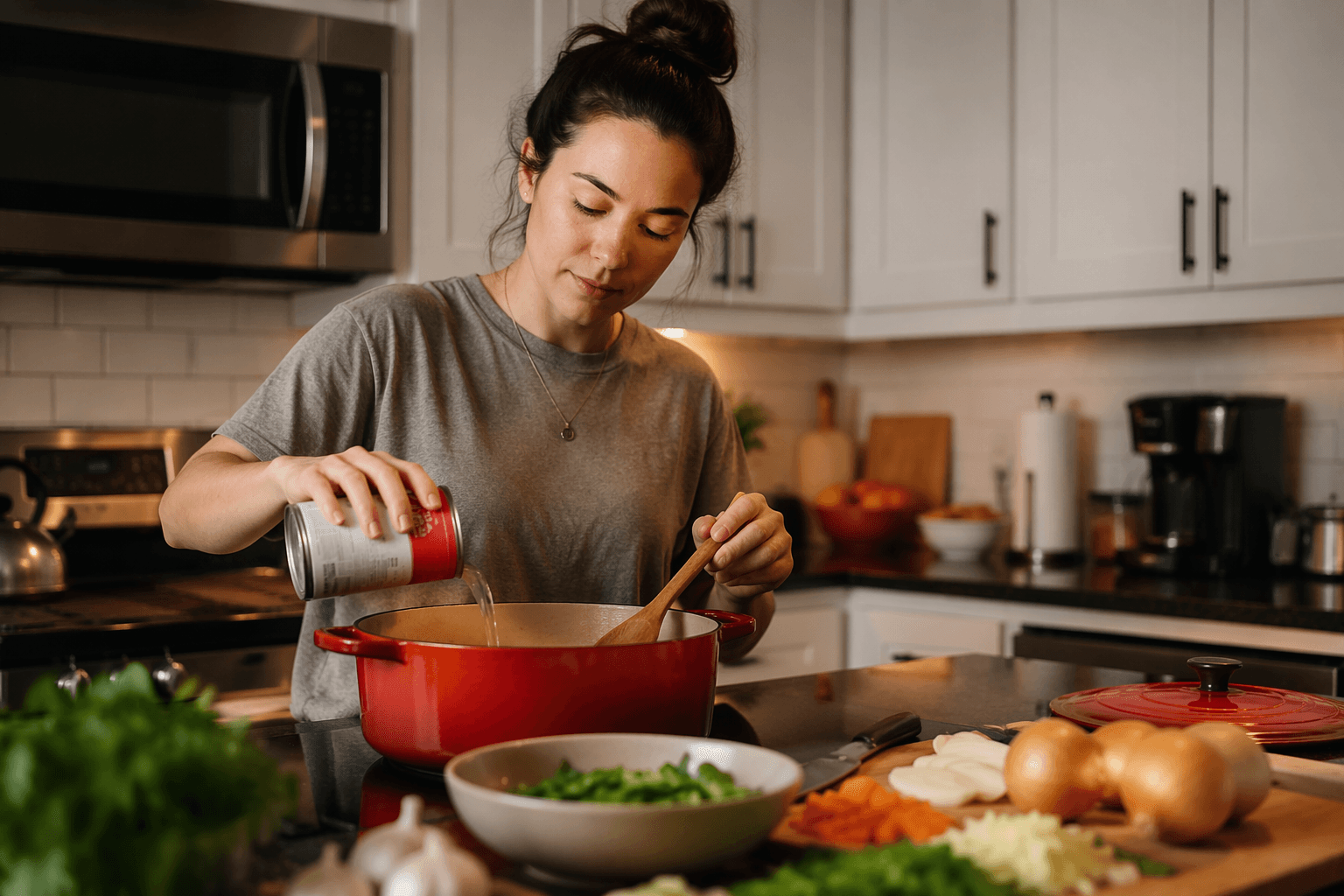
A stronger dinner routine at home can show up first in a restaurant worker’s paycheck. Campbell’s CEO Mick Beekhuizen said consumers were cooking at home at the highest levels since early 2020, and that shift is landing as limited-service and fast-casual chains already face pressure from value-seeking diners.
Campbell’s fiscal third quarter gave that trend a clean financial backdrop. The Camden, New Jersey, company reported adjusted earnings of 73 cents a share on $2.48 billion in revenue, ahead of FactSet estimates of 65 cents and $2.43 billion. Campbell’s also said at-home cooking had increased across all income brackets in meals and beverages, with shoppers leaning harder into budget-friendly foods.

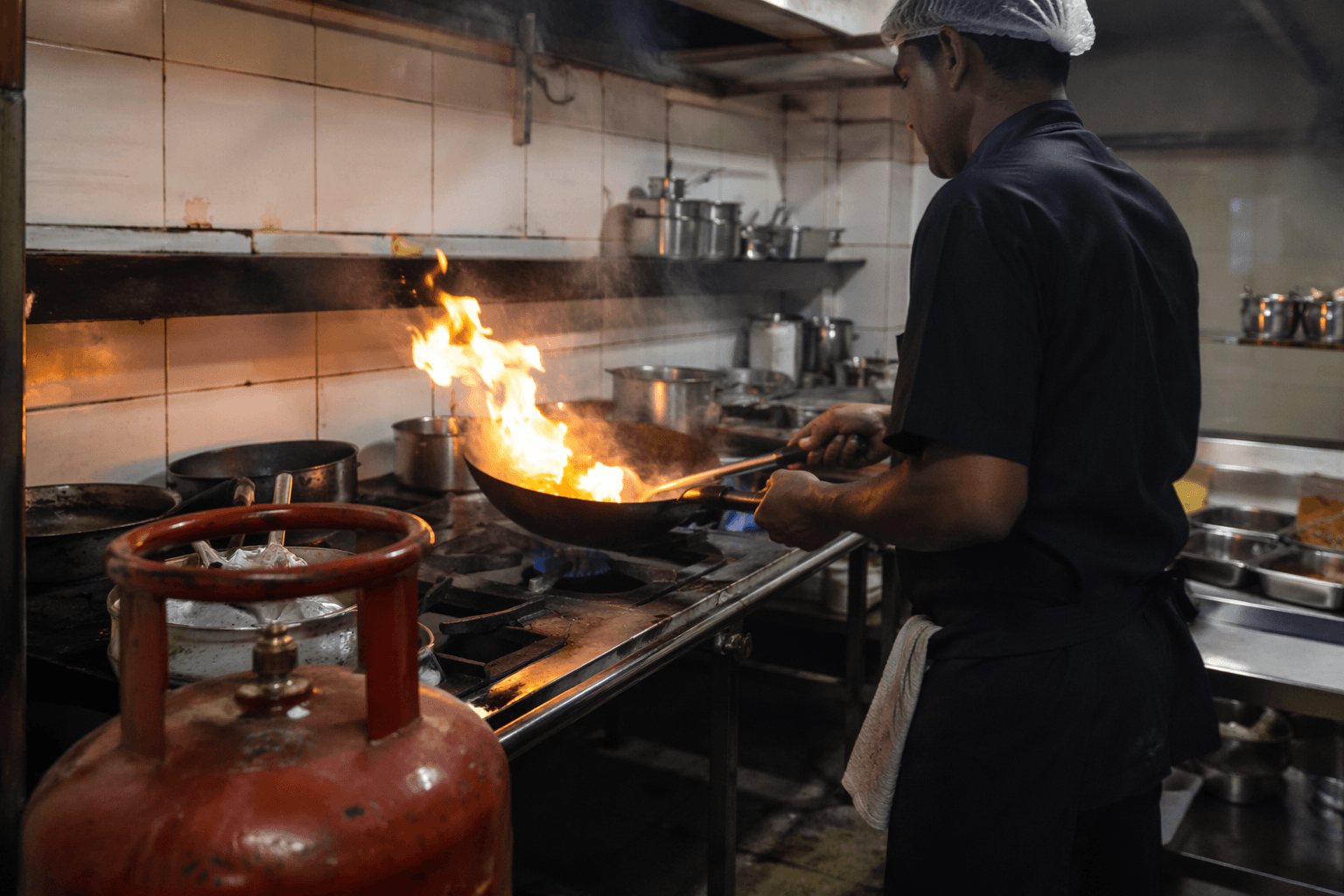
For restaurant workers, the consequences are immediate. Softer traffic usually means managers cut hours first, then trim prep shifts, slow hiring, and squeeze more output from the people who stay on the schedule. The jobs most exposed are in quick-service and fast-casual restaurants, where a small drop in guest counts can quickly reduce shifts for line cooks, cashiers, drive-thru workers, hosts, and shift leads.
The broader industry data backs up that warning. The National Restaurant Association said value offerings dominated the restaurant narrative in 2024 because elevated inflation stretched household budgets. A summer 2025 restaurant industry update found restaurant prices were rising faster than grocery prices, making consumers more selective about dining out and less likely to spend on extra visits. CNBC said Campbell’s comments came as tariff-driven recession fears weighed on consumer sentiment.
That is why the pressure is hitting the lower-price end of the market first. Placer.ai said quick-service restaurants and fast-casual chains were under strain as budget-conscious diners traded down to cheaper promotions or shifted spending to grocery, dollar, and convenience stores. McDonald’s chief executive Chris Kempczinski described the market as a two-tier economy, a split that leaves workers in traffic-dependent stores more vulnerable to cut hours when sales soften.
Casual dining has held up better by leaning into bundled value meals and heavier promotion, but that does not make the labor picture easy. Servers and bartenders may still be pushed harder on upselling, while kitchen crews and managers are asked to do more with fewer bodies on the line. If more households keep choosing dinner at home, the strain will not stay in the pantry. It will reach the schedules, paychecks, and staffing levels inside restaurants.
This article was produced by Prism’s automated news system from verified source data, official records, and press releases, then run through automated quality and moderation checks before publishing. The system is built and supervised by the people who set the standards it runs under. Read our full AI policy.
Did this article answer your question?