Casey's gains pizza share as convenience stores expand foodservice
Casey’s added 270 stores, bought 198 CEFCO locations and hit $1.06 billion in EBITDA as c-store foodservice keeps pulling traffic from Pizza Hut.

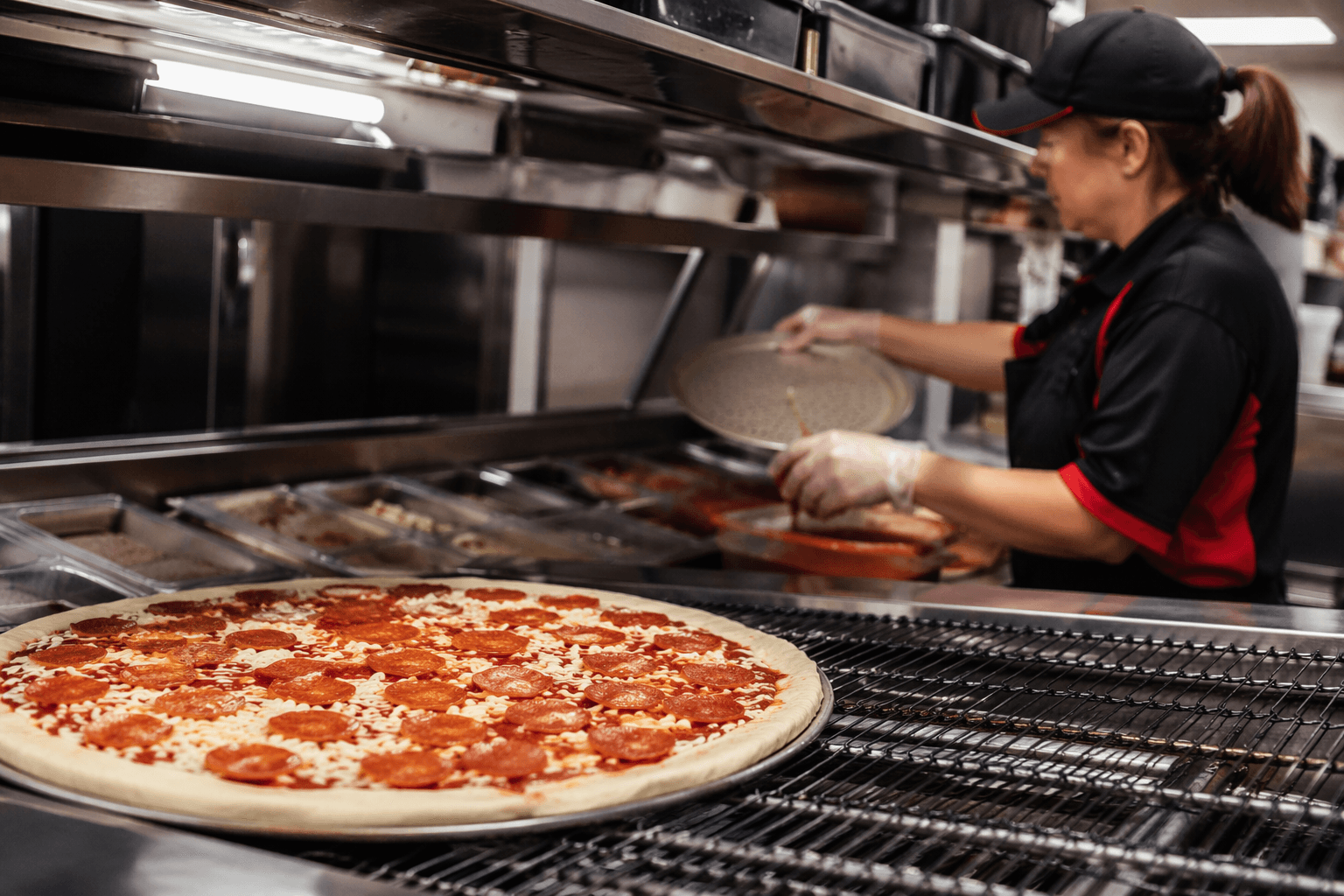
Casey’s has turned pizza into a bigger traffic driver than many restaurant chains expected, and the workers most exposed are the hourly crews inside stores that are losing meal business. The Ankeny, Iowa, company now bills itself as the country’s fifth-largest pizza concept by sales, while Pizza Hut is closing stores and selling less pizza.
Casey’s added 270 locations in fiscal 2025 and bought Fikes Wholesale, which brought 198 CEFCO convenience stores in Alabama, Florida, Mississippi and Texas into the chain, including 148 in Texas. The scale matters because Casey’s also crossed a financial line in fiscal 2024, topping $1.06 billion in EBITDA for the first time. That kind of cash generation gives convenience retailers room to keep leaning into foodservice, not just gasoline and snacks.
The broader market is already moving that way. The National Association of Convenience Stores said U.S. convenience foodservice and merchandise sales reached $341.2 billion in 2025, with foodservice accounting for 28.5% of in-store sales and 38.9% of in-store gross profit. Foodservice’s share of in-store sales has climbed from 11.9% in 2005 to 28.5% in 2025, a jump that helps explain why chains like Casey’s are borrowing restaurant tactics such as made-to-order food, value offerings and loyalty programs. Morningstar DBRS expects c-stores to keep expanding prepared food in 2026 as they diversify revenue and brace for changes in fuel demand tied to electric vehicles.
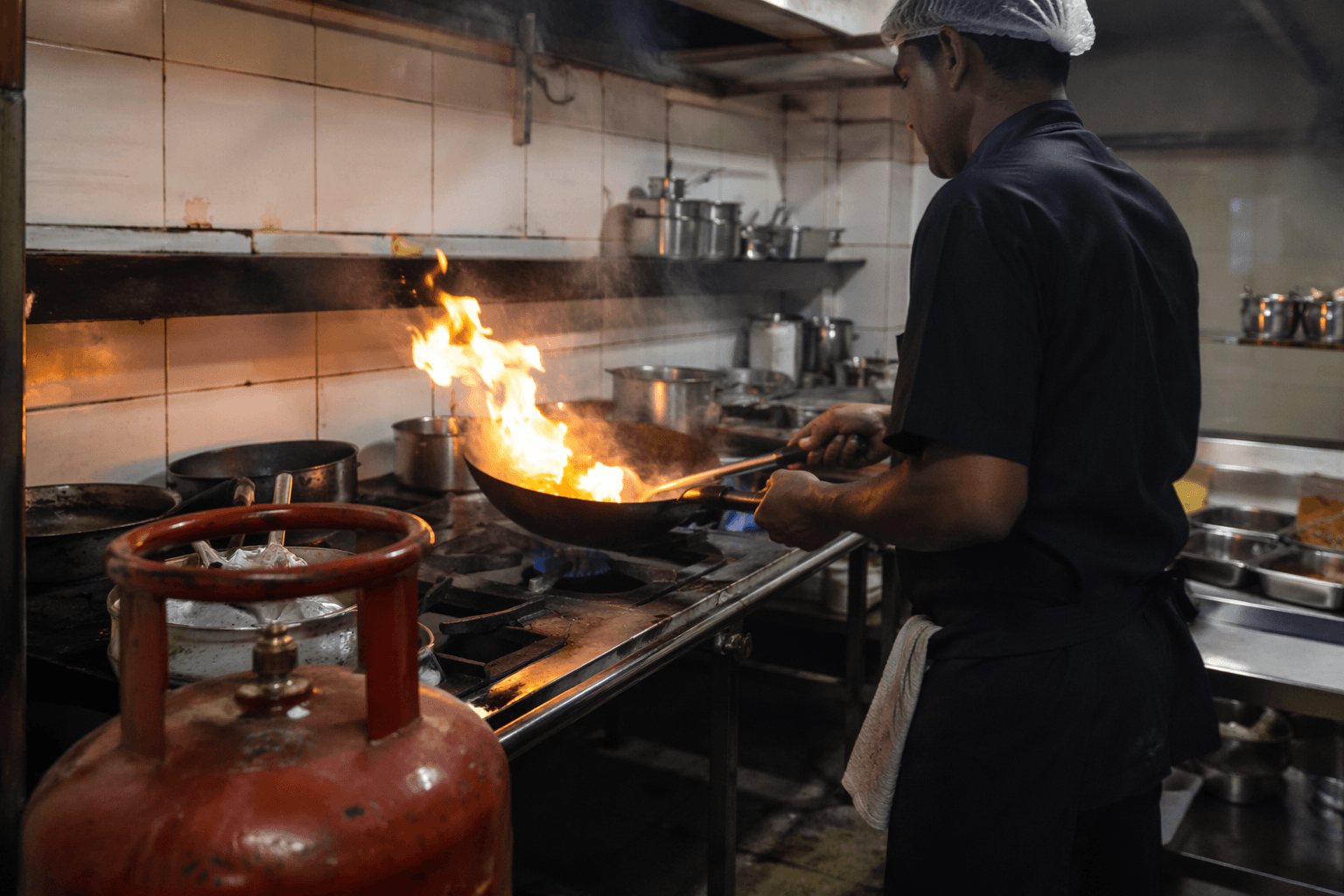
For restaurant workers, the shift points to a different kind of labor market. Convenience-food operators typically run with smaller teams and broader job descriptions, so growth there is more likely to mean hybrid roles that blend cashiering, stocking and food prep than classic restaurant ladders built around dedicated kitchen, front-of-house and delivery jobs. That can create more openings, but it can also mean leaner staffing, tighter labor costs and less predictable specialization than in a pizza chain.
Pizza Hut’s problems make that risk concrete. Yum Brands said in February 2026 it would close 250 underperforming U.S. Pizza Hut locations as part of its Hut Forward plan, after Pizza Hut U.S. same-store sales fell 3% in the fourth quarter of 2025 and 4% in the first quarter of 2026. Yum later said it was exploring strategic options for the chain, including a sale. For hourly workers, closures like that hit first at the unit level: the cooks, drivers, shift leaders and managers whose schedules disappear before the brand’s strategy does.
The bigger story is not just who sells more pizza. It is where the meal business gets staffed, how many hands it takes to run it, and whether the next wave of food jobs looks more like a restaurant kitchen or a convenience store counter.
This article was produced by Prism’s automated news system from verified source data, official records, and press releases, then run through automated quality and moderation checks before publishing. The system is built and supervised by the people who set the standards it runs under. Read our full AI policy.
Did this article answer your question?