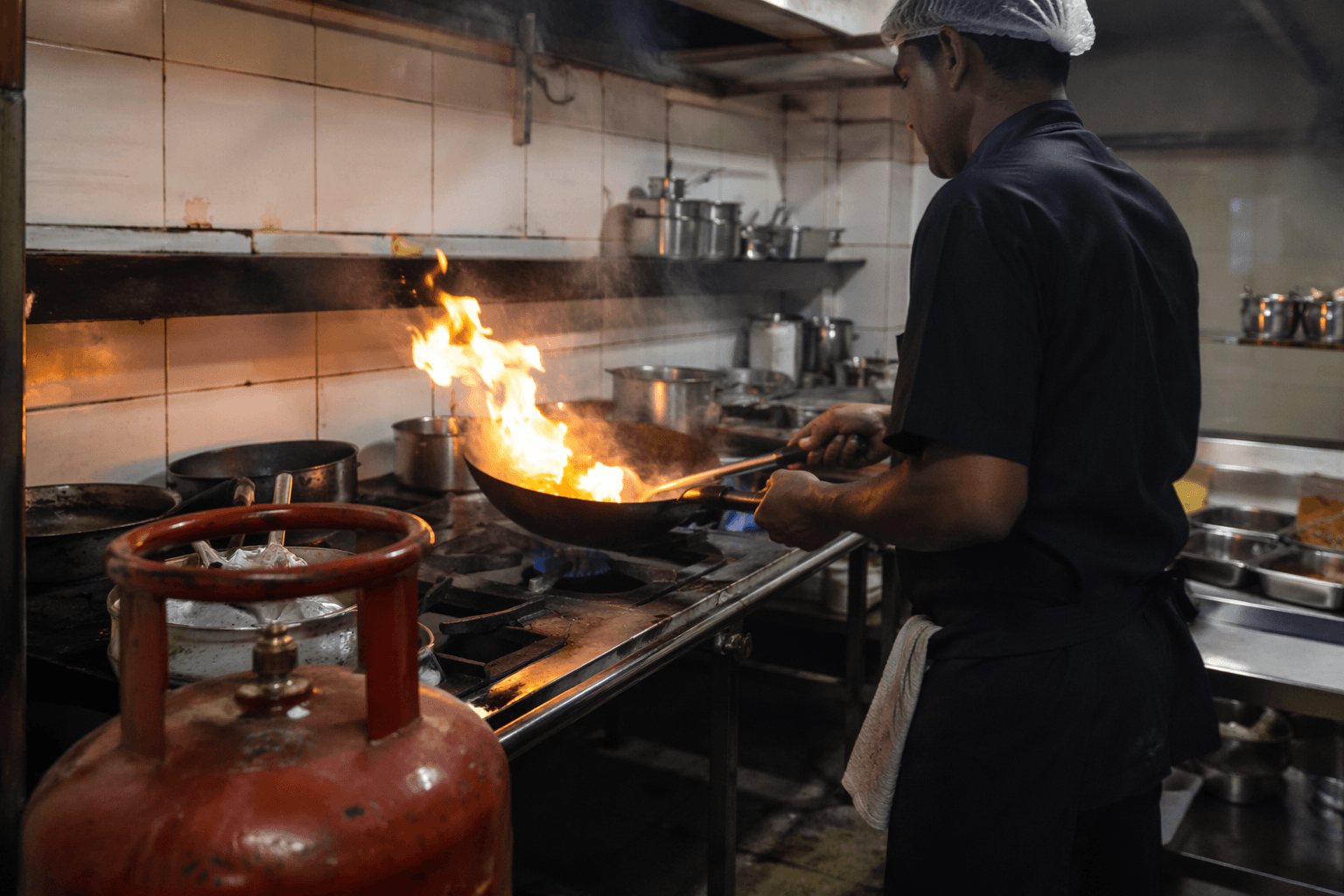
CDC flags handwashing, gloves and sick leave as restaurant food safety basics
The CDC’s food-safety basics are less about checklists than shift discipline: wash hands, use gloves right, check temperatures, and stay home sick.
If you work a restaurant line, run a bar, or manage a dining room, food safety is not somebody else’s job. The CDC’s latest restaurant guidance turns that into four habits that matter most on shift: handwashing, proper glove use, using a thermometer, and not working when vomiting or diarrhea are present. That is the kind of short list that can protect guests, keep inspections cleaner, and spare a crew from the kind of outbreak that knocks hours, pay, and morale off the board.
Why these four habits matter most
The CDC’s point is not subtle: restaurant food safety succeeds or fails in the middle of the rush, not in a binder in the office. More than half of U.S. foodborne illness outbreaks are associated with restaurants, delis, banquet facilities, schools, and other institutions, and the agency says foodborne illnesses cost the country about $17.6 billion a year. It also reported 841 foodborne illness outbreaks in 2017, while a later CDC review says around 800 outbreaks happen each year and most are linked with restaurants.
That makes food safety a workplace issue as much as a public health one. A serious outbreak can trigger investigations, lost shifts, damaged sales, and more stress on an already thin team. For workers, the upside is just as concrete: the habits that prevent illness also help protect schedules, wages, and job stability when a kitchen is already running short-staffed.
The handwashing moments that actually count
The CDC says proper handwashing is critical for preventing outbreaks of norovirus, Campylobacter, Salmonella, and E. coli. That matters because handwashing is not only about the obvious moments, like after using the restroom. It is also about the transitions that happen all shift long, from handling raw food to touching ready-to-eat food, from taking out trash to plating, and from cleaning to serving.
The agency says managers should make handwashing easier by addressing the barriers that keep workers from doing it right. Those barriers include sink inaccessibility, time pressure, and lack of training. It also says managers should train younger workers in particular and revise food-preparation steps to reduce the number of required handwashes, which is a practical reminder that good food safety is partly a design problem, not just a discipline problem.
For workers, the takeaway is simple: if the sink is hard to reach, if the rush is forcing shortcuts, or if nobody has actually shown the right sequence, the system is setting people up to miss the basics. The safest kitchens make handwashing the easiest move, not the heroic one.
Gloves help, but they do not replace handwashing
Gloves are useful, but the CDC is clear that they are not magic. Food workers who are infectious can contaminate food with bare hands, while wearing gloves, or in other ways. That means a glove on a hand that has not been washed is not a fix, and changing gloves without changing the behavior behind them can still leave a kitchen exposed.
This is where restaurant culture often gets sloppy. A lot of crews treat gloves as a visual cue that food is safe, but the CDC’s framing is more practical than that: gloves only work when they are used properly, with handwashing still doing the real heavy lifting. In a busy service, that means the same habits that protect guests also protect workers from being the person blamed when a line gets tied up or an inspection turns critical.
Thermometers and sick leave are not optional extras
The CDC includes thermometer use and staying home when vomiting or diarrhea are present for a reason. Temperature checks keep cooks from relying on appearance alone, which is especially important when volume, speed, and plating pressure make it easy to assume something is done just because it looks done. The thermometer is the quick reality check that separates a safe plate from an expensive mistake.
Sick leave is just as operational. The CDC says written policies should require food workers to tell managers when they are sick and spell out which symptoms should keep them from working. That matters because infectious workers can spread illness through more than one route, and because a policy nobody feels safe using is not a policy, it is a slogan. In a restaurant with high turnover and lean staffing, the pressure to come in anyway can be intense, but the risk lands on the whole crew.
What managers need to build, not just say
The CDC’s food-safety guidance is blunt about the role managers play. Handwashing access, glove training, thermometer checks, and sick-worker rules all need backing from actual supervision and a culture people can use. It says food safety programs work better when managers provide training, especially for younger workers, and when they create two-way communication and show appreciation for staff.
The physical setup matters too. The CDC says strong food-safety culture depends on enough soap and sinks, while obstacles include short staffing, lack of space and resources, and worker reluctance to talk to managers. That is a familiar restaurant problem: the best policy in the world does not help if the sink is across the building, if the shift is too slammed to pause, or if people think calling out sick will get them labeled unreliable.
The FDA adds another layer here. Its Food Code is the model used by state and local jurisdictions to regulate retail food and food service, and the most recent version is Food Code 2022, dated January 18, 2023. In practice, that means the rules shaping your kitchen are not random, and they are not just a manager’s preference. They are built into the standards that local inspectors and health departments use.
Certification, inspections, and why outbreaks keep repeating
The CDC says many public health agencies encourage or require kitchen-manager certification, and its research shows restaurants with certified kitchen managers are less likely to have foodborne illness outbreaks. Those restaurants also tend to have better food safety practices, better inspection outcomes, and fewer critical violations. For workers, that is not a paperwork detail, because better inspection scores usually mean fewer crises on shift and less chance that a bad week turns into a public one.
The broader outbreak data makes the case even harder to ignore. In a CDC analysis of 2017 to 2019 retail food outbreaks reported through NEARS by 25 state and local health departments, 800 outbreaks were linked to 875 retail food establishments. Among outbreaks with a confirmed or suspected agent, norovirus accounted for 47.0 percent and Salmonella for 18.6 percent. CDC also says norovirus causes about half of all outbreaks of food-related illness, which is why a sick-worker policy and real handwashing discipline are not side issues, they are central defenses.
The bottom line is plain: restaurant outbreaks are not rare freak events, they are recurring workplace failures tied to routine habits, staffing pressure, training gaps, and the way kitchens are built to move. The workers who avoid trouble are usually not the ones memorizing a long checklist. They are the ones who wash at the right moments, use gloves correctly, check temperatures, and stay home when symptoms would put the whole room at risk.
This article was produced by Prism’s automated news system from verified source data, official records, and press releases, then run through automated quality and moderation checks before publishing. The system is built and supervised by the people who set the standards it runs under. Read our full AI policy.
Did this article answer your question?