Chinatown restaurant workers organize against wage theft and stolen tips
Z & Y Restaurant workers won a $1.61 million settlement after documenting unpaid overtime and missed meal breaks across years of 11-hour shifts in San Francisco Chinatown.
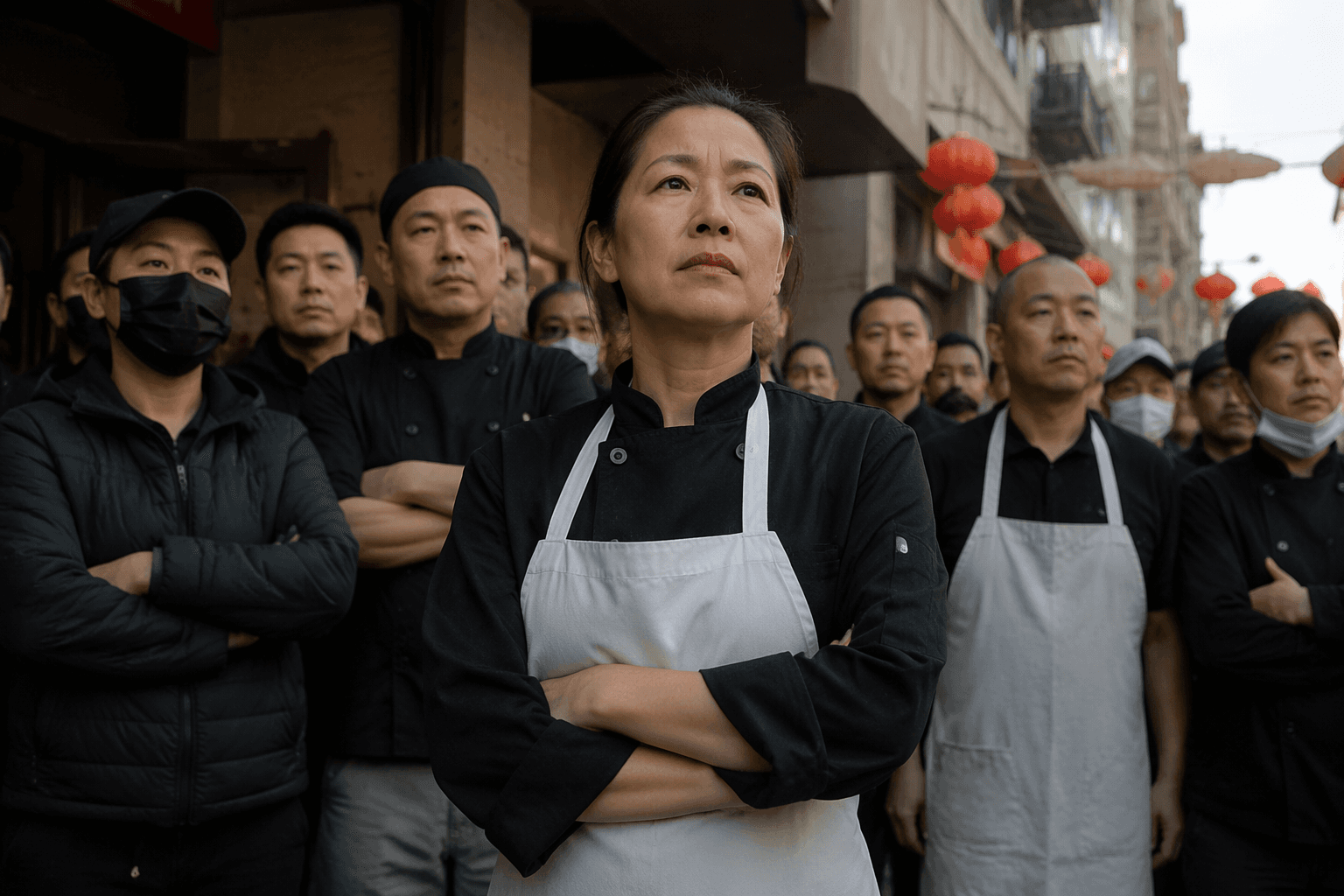
Workers at Z & Y Restaurant in San Francisco’s Chinatown won a $1.61 million wage theft settlement after documenting unpaid overtime, missed meal breaks and stolen pay tied to long shifts. The case has become a model for Chinatown restaurant crews trying to stop tip withholding and wage theft from being treated as part of the job.
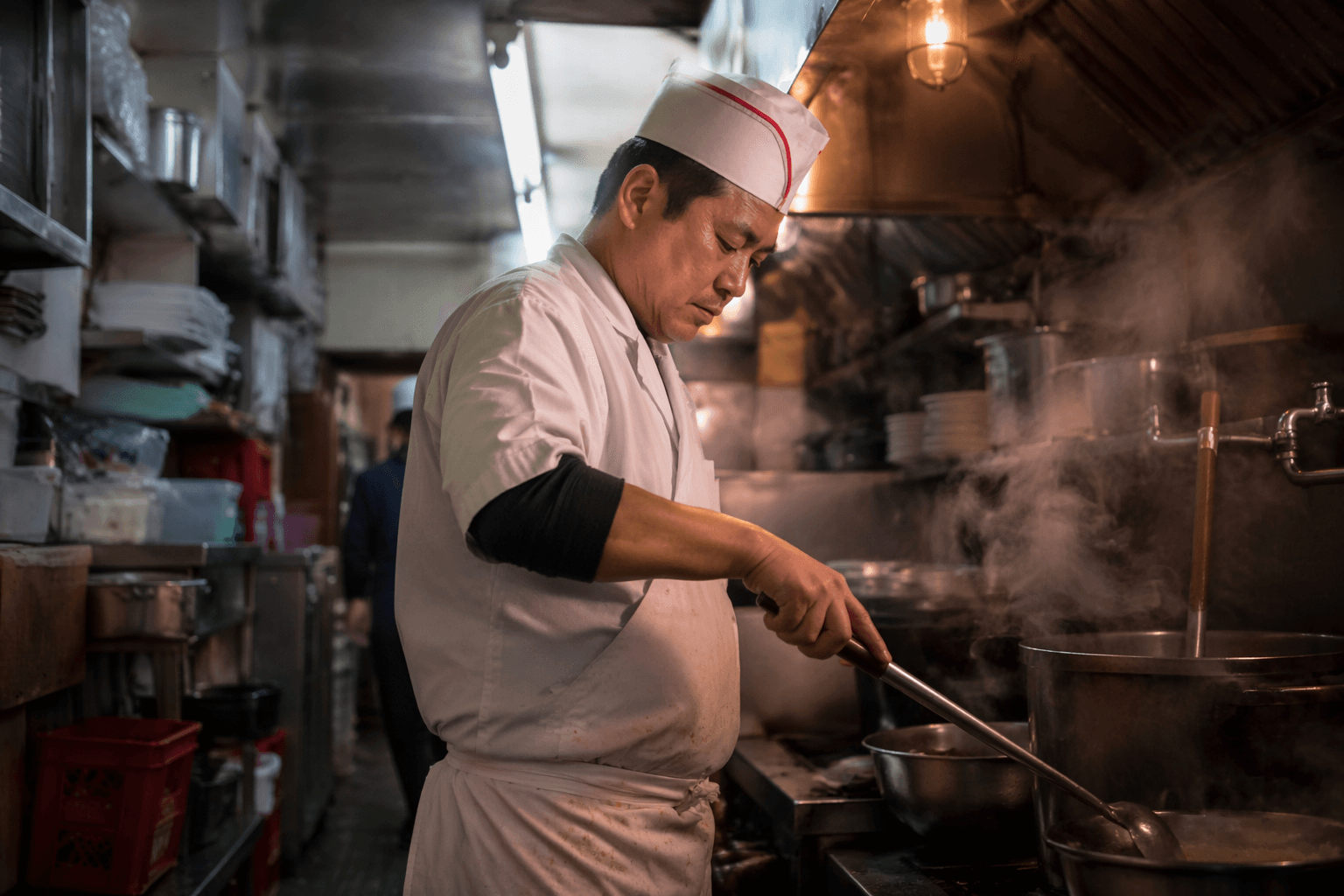
“We’re at a particular moment right now where the pandemic and anti-Asian racism has further exposed long-standing issues in the restaurant industry,” one organizer said. That pressure landed in a very specific workplace: John Wang said he worked at Z & Y for three years and never received overtime pay or state-mandated meal breaks, even though he often put in 11-hour shifts, six days a week.
The settlement itself shows the value of moving together instead of alone. The Asian Law Caucus said workers at the restaurant won the award on Aug. 17, 2021, and KTVU FOX 2 said 22 workers were covered by the roughly $1.6 million deal after the California Labor Commissioner’s Office reached an agreement with the owners. For restaurant workers, the blueprint is plain: track hours, compare pay records with coworkers, and treat repeated payroll problems as a group issue before they become normalized.
That collective approach matters because retaliation risk is real, especially in immigrant-heavy dining rooms where language barriers, immigration-status vulnerabilities and dependence on one employer can keep people quiet. The Asian American Legal Defense and Education Fund has said those pressures, along with exploitative working conditions and limited access to public services and benefits, make individual complaints harder to sustain. The National Employment Law Project has argued in Exposing Wage Theft Without Fear that states need stronger protections so workers can report theft without fearing firings, hour cuts or other punishment.
The pattern is not limited to one Chinatown block. A Centers for Disease Control and Prevention-hosted article on San Francisco Chinatown described wage theft there as low wages, slow pay, no pay, tip theft and lack of benefits, the same mix that hits servers, bartenders and kitchen staff when tips disappear or overtime is shaved off the books. Federal enforcement has turned up the same abuses elsewhere, including nearly $62,000 recovered for 11 Denver restaurant workers denied full tips and $375,000 for 11 Oregon restaurant workers whose employer kept tips and denied overtime wages.
Chinatown labor organizing also has deep roots. The Chinese Staff and Workers’ Association says it was founded in 1979 in New York City’s Chinatown by Chinese restaurant workers, and labor-history accounts trace earlier milestones to a 1978 union contract at Uncle Tai’s restaurant in Manhattan and later fights at Silver Palace. The current organizing in San Francisco fits that same pattern: workers documenting abuse, building protection together and turning stolen wages into a recoverable claim.
This article was produced by Prism’s automated news system from verified source data, official records, and press releases, then run through automated quality and moderation checks before publishing. The system is built and supervised by the people who set the standards it runs under. Read our full AI policy.
Did this article answer your question?