Clover Food Lab to reopen after closure, saving Cambridge and Boston jobs
Clover is reopening its Cambridge and Boston sites after 11 closures, but the deal may mean leaner schedules and tighter operations for workers.
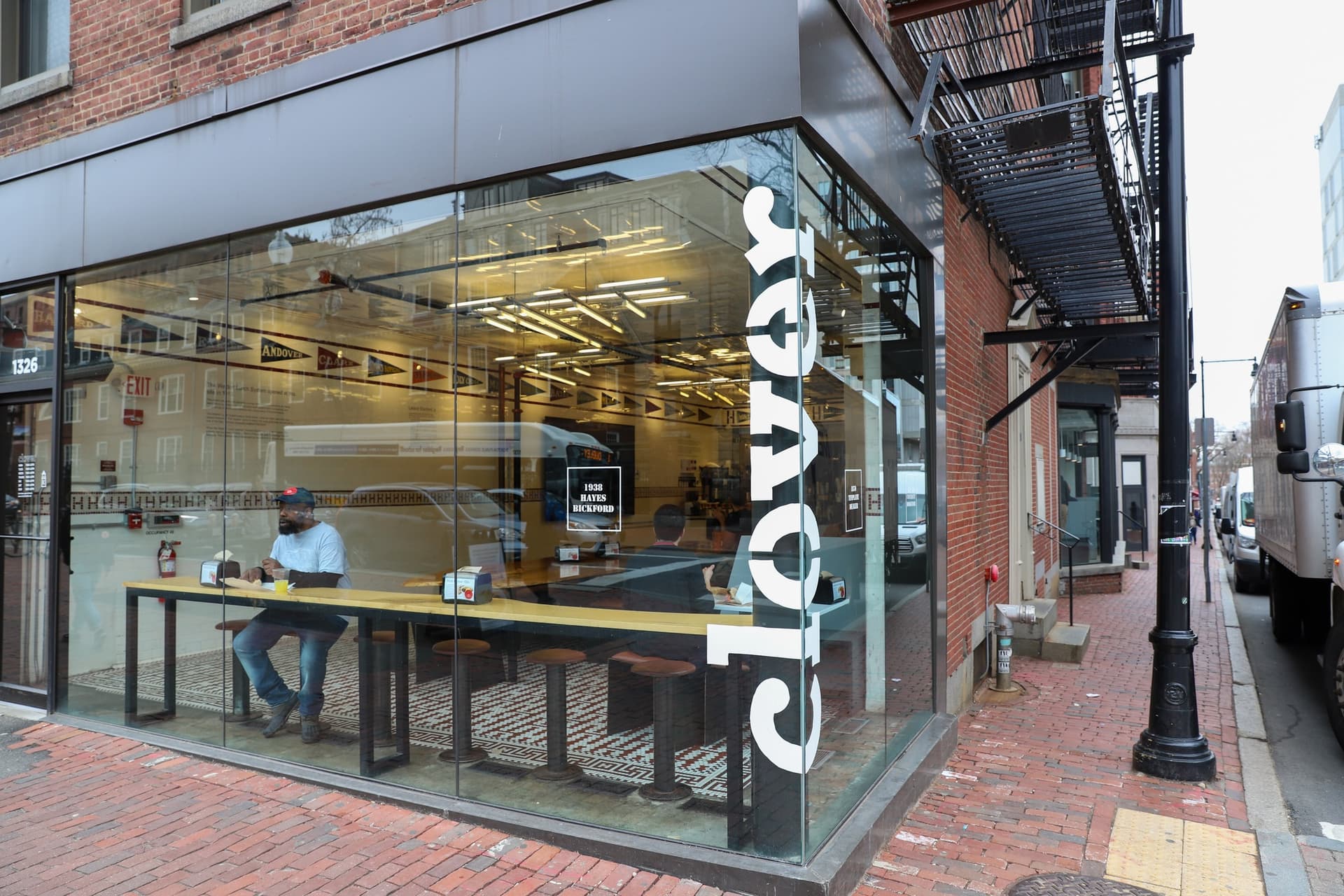
Clover Food Lab said it would reopen its Cambridge and Boston locations after shutting all 11 restaurants, a reversal that could pull some jobs back from the brink but also signal a leaner, more tightly managed operation for cooks and counter staff.
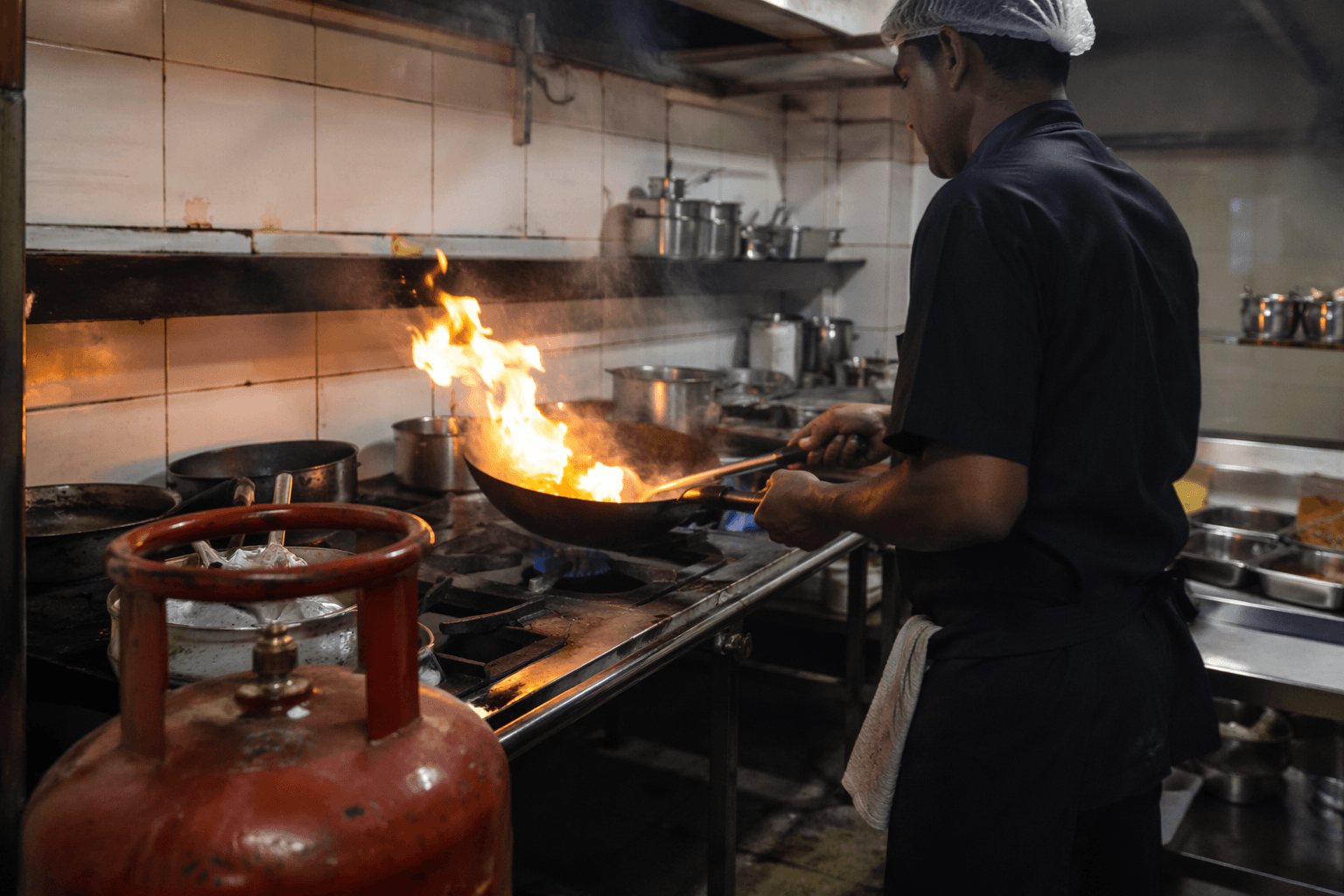
The plant-forward chain said the first reopened stores will serve lunch on Tuesday, June 9, with breakfast set to return on June 10. CEO Julia Wrin Piper said the company is intentionally shrinking its footprint to focus on its core communities, and the investor backing the restart has not been publicly identified. Clover said the deal was finalized late last week after it had been searching for a buyer since March.
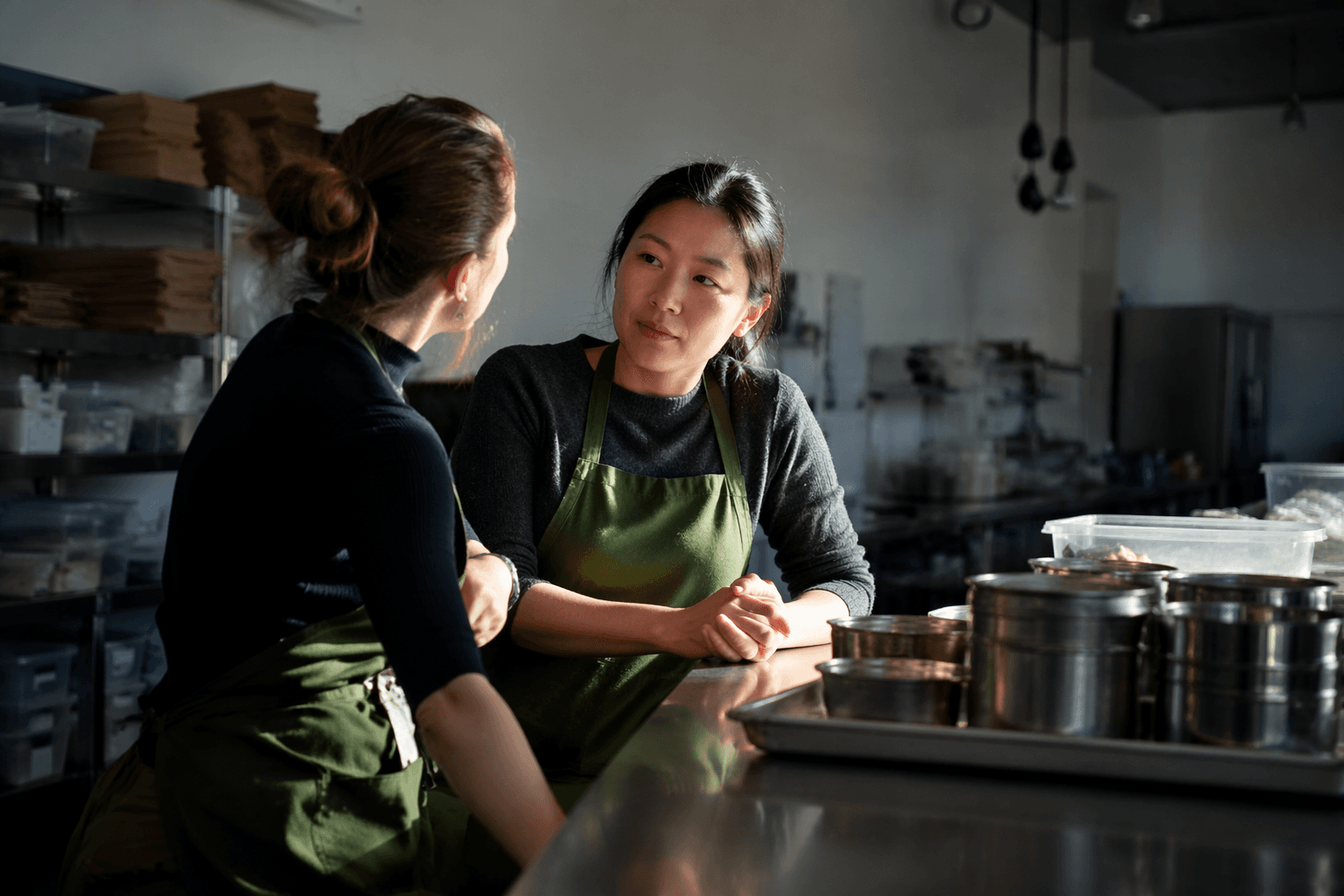
For workers, the immediate relief is obvious: after closing on May 28, Clover is giving at least some employees a path back to shifts in Cambridge and Boston instead of a full shutdown. But the company is still working out its operational plan, which means the real question is not just which doors reopen, but how many hours, stations and positions come with them.
That uncertainty lands after a warning that was already hanging over the staff. In March, Clover filed a WARN notice saying 182 jobs could be cut if no buyer was found by May 29. The chain had also announced on May 26 that it would close all 11 restaurants and meal-box delivery operations after 17 years in business.
The abrupt closure touched off a reaction that was unusual even by restaurant standards. Clover said customers flooded its restaurants after the announcement, more than 450 people responded to a memory survey, and one customer wrote a tribute song. Notes were posted in the Harvard Square windows, a sign that the brand still carried real weight with diners even after the shutdown.
That emotional response, though, does not erase the economics behind the rescue. Clover said ingredient costs had risen 30% to 50% over the past two years, a pressure that usually shows up on the floor as tighter purchasing, more waste control, faster prep expectations and harder scheduling decisions. A reopening can preserve jobs, but it can also come with fewer labor hours and more scrutiny on throughput.
Founded in October 2008 by MIT graduate Ayr Muir as a single food truck near MIT, Clover grew into a local fast-casual chain built around New England farms. It filed for Chapter 11 bankruptcy in November 2023 and emerged in April 2024 under a small-business reorganization plan, then once aimed to reach as many as 60 locations within five years. The latest rescue keeps that identity alive for now, but it also makes clear how fragile restaurant jobs can be when rising costs collide with expansion-era ambitions.
This article was produced by Prism’s automated news system from verified source data, official records, and press releases, then run through automated quality and moderation checks before publishing. The system is built and supervised by the people who set the standards it runs under. Read our full AI policy.
Did this article answer your question?