Coco’s and Shari’s parent files Chapter 11 after funds frozen
A frozen $650,000 payment forced Coco’s and Shari’s parent into Chapter 11, putting payroll, rent and store hours under immediate pressure.
The parent of Coco’s and Shari’s turned to Chapter 11 after a payment processor froze $650,000, a cash squeeze that put payroll, rent and daily operating expenses under immediate strain. For restaurant workers, the filing is less about court procedure than about what happens when a chain’s money stops moving: schedules tighten, labor budgets get cut, and paychecks become more exposed to delay.
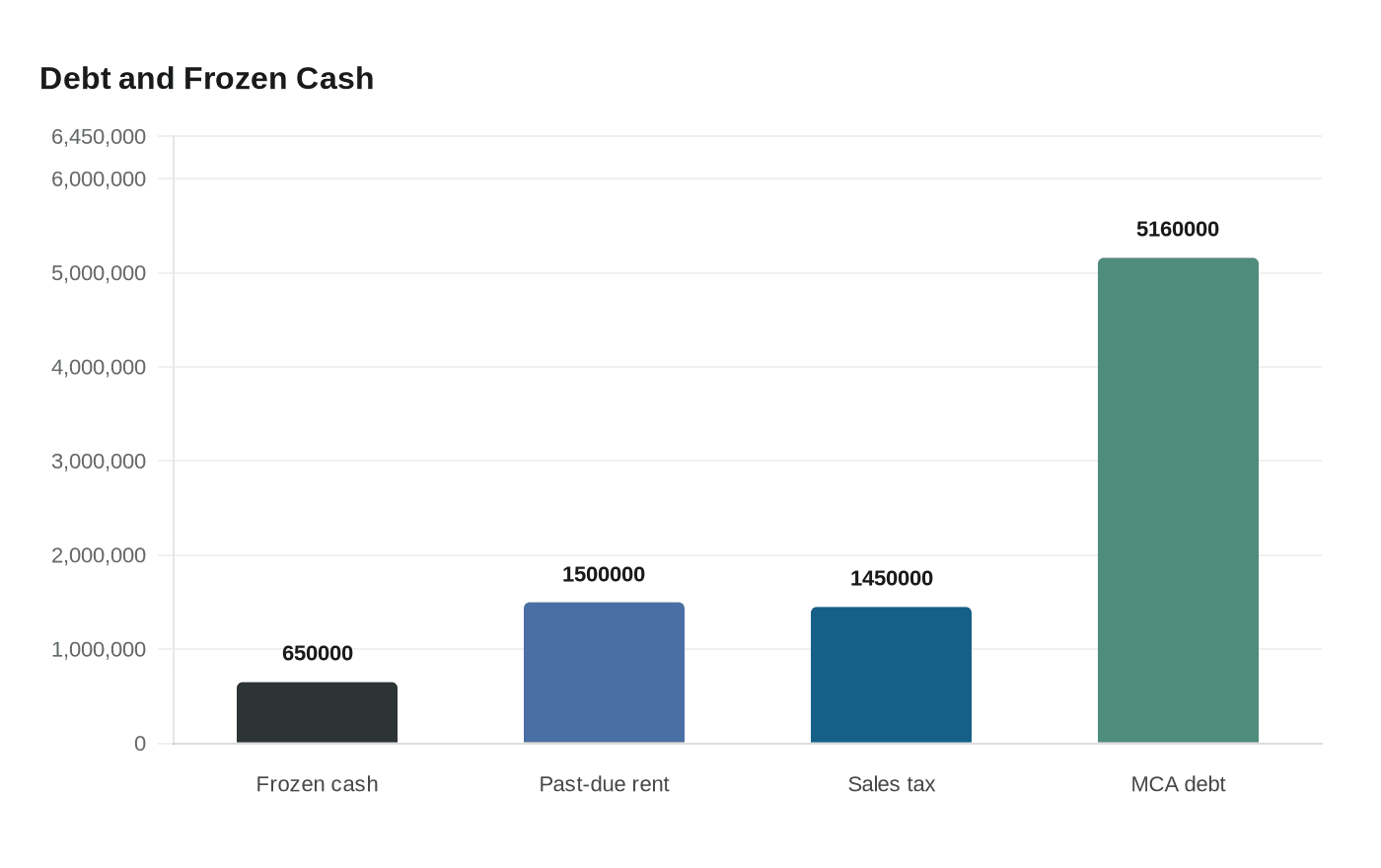
Lena Brands said the frozen cash was threatening its ability to cover payroll, rent and other operating costs, and it asked a Delaware court to unlock the money. The court granted access on Tuesday, but only under a budget, underscoring how close the company was to a day-to-day liquidity problem rather than a slow-moving balance-sheet issue. The filing said Lena Brands had been reduced to 11 locations and was carrying between $10 million and $50 million in liabilities, including more than $5 million owed to merchant cash advance lenders.
The distress traces back to Lena Brands’ 2024 acquisition of Coco’s and Shari’s from Gather Holdings as an assignee for the benefit of creditors. As part of that deal, Lena Brands took on $1.5 million in past-due rent and $1.45 million in sales-tax liabilities, then borrowed from about 10 merchant cash advance lenders. That debt grew to about $5.16 million before the bankruptcy filing, adding another layer of pressure to a business already fighting for cash. DoorDash and Grubhub were also key revenue sources, showing how much the chain relied on third-party delivery traffic to keep sales flowing.
For restaurant employees, the biggest warning sign is often not the filing itself but what comes next at store level. When cash gets frozen, managers may trim prep hours, reduce sections, cut back kitchen coverage or lean harder on fewer workers to preserve margin. That can mean unstable schedules, smaller tip pools for front-of-house staff, and more stress for cooks, servers, bartenders and hosts already working in a high-turnover environment. If a chain cannot stabilize, store closures or a quick sale can leave hourly workers scrambling with little notice.
The bankruptcy also marked the latest chapter in the long decline of two once-larger family-dining brands. Coco’s, founded in 1948 in California, is now down to two locations. Shari’s, founded in 1978 and once just under 100 units, has shrunk to nine stores in California, Washington and Idaho after closing more than 50 locations in 2024. Shari’s shut all 42 of its Oregon restaurants in October 2024 after unpaid-bill allegations, back taxes, eviction notices and lawsuits piled up, and Oregon lottery officials said the chain’s stores generated about $34 million to $34.7 million in video lottery sales in 2023 before those locations went dark.
This article was produced by Prism’s automated news system from verified source data, official records, and press releases, then run through automated quality and moderation checks before publishing. The system is built and supervised by the people who set the standards it runs under. Read our full AI policy.
Did this article answer your question?