D.C. restaurant closures raise fears over downtown dining recovery
Closures in Downtown, Chinatown and Penn Quarter are draining lunch crowds, squeezing shifts, and testing whether D.C.’s restaurant core can rebound.
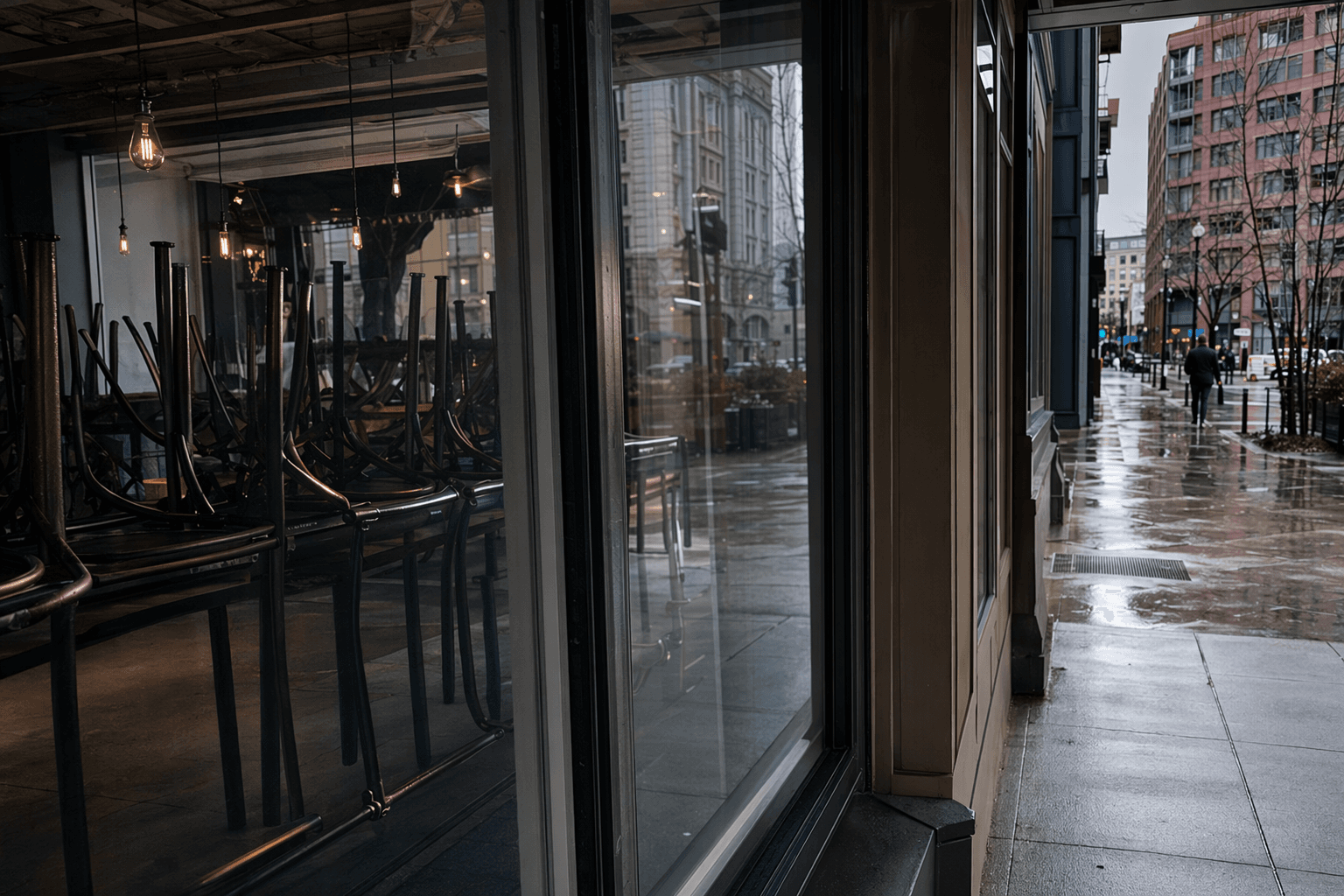
High-profile closures in Downtown, Chinatown and Penn Quarter have started to look less like a bad run and more like a labor-market reset for Washington’s restaurant core. Shawn Townsend, president of the Restaurant Association of Metropolitan Washington, said 92 restaurants closed in D.C. in 2025, up from 73 in 2024 and almost double the 2022 total, while openings fell 30 percent.
That matters because the downtown restaurant economy runs on predictable lunch traffic, after-work drinks and event-driven crowds. When those office workers and visitors stay away, the pain shows up fast: fewer covers, fewer tipped hours, slower sales and thinner margins. For servers and bartenders, that can mean smaller checks and fewer shifts. For line cooks, hosts and managers, it can mean reduced staffing, shorter hours and more pressure to make a full-service room work with a smaller audience.
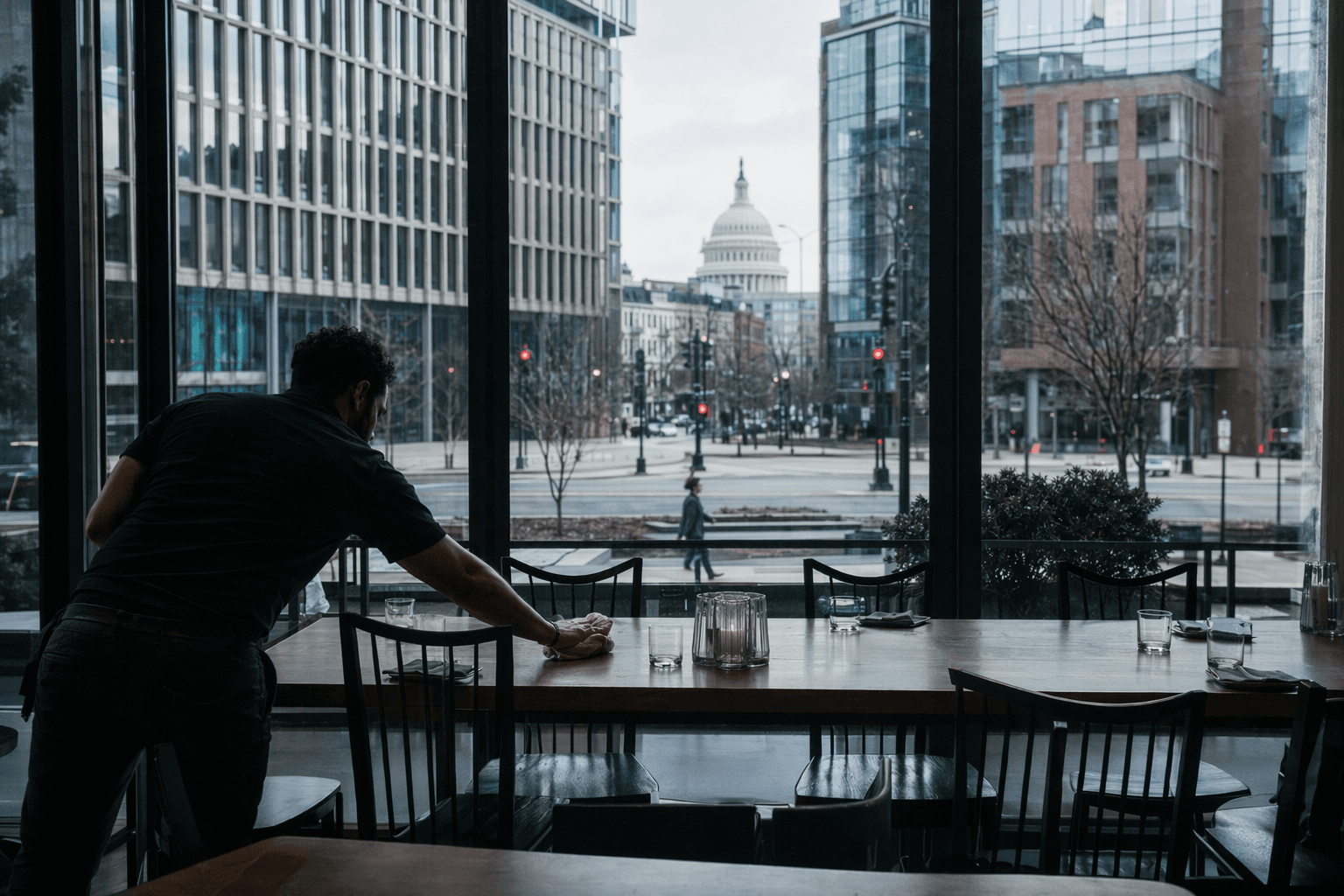
The warning signs were already visible before the latest wave of closures. Townsend said the “middle market” of full-service restaurants was getting squeezed, and he warned that new jobs downtown are essential because “that foot traffic cannot come back” unless people return to replace it. At the Downtown D.C. Business Improvement District’s May 7 State of Downtown Forum, Mark Simpson said foot traffic in 2025 “started with a sprint, but ended up crossing the finish line with a hobble.” Early gains tied to the inauguration, return-to-office mandates and events such as WorldPride faded as the year went on.
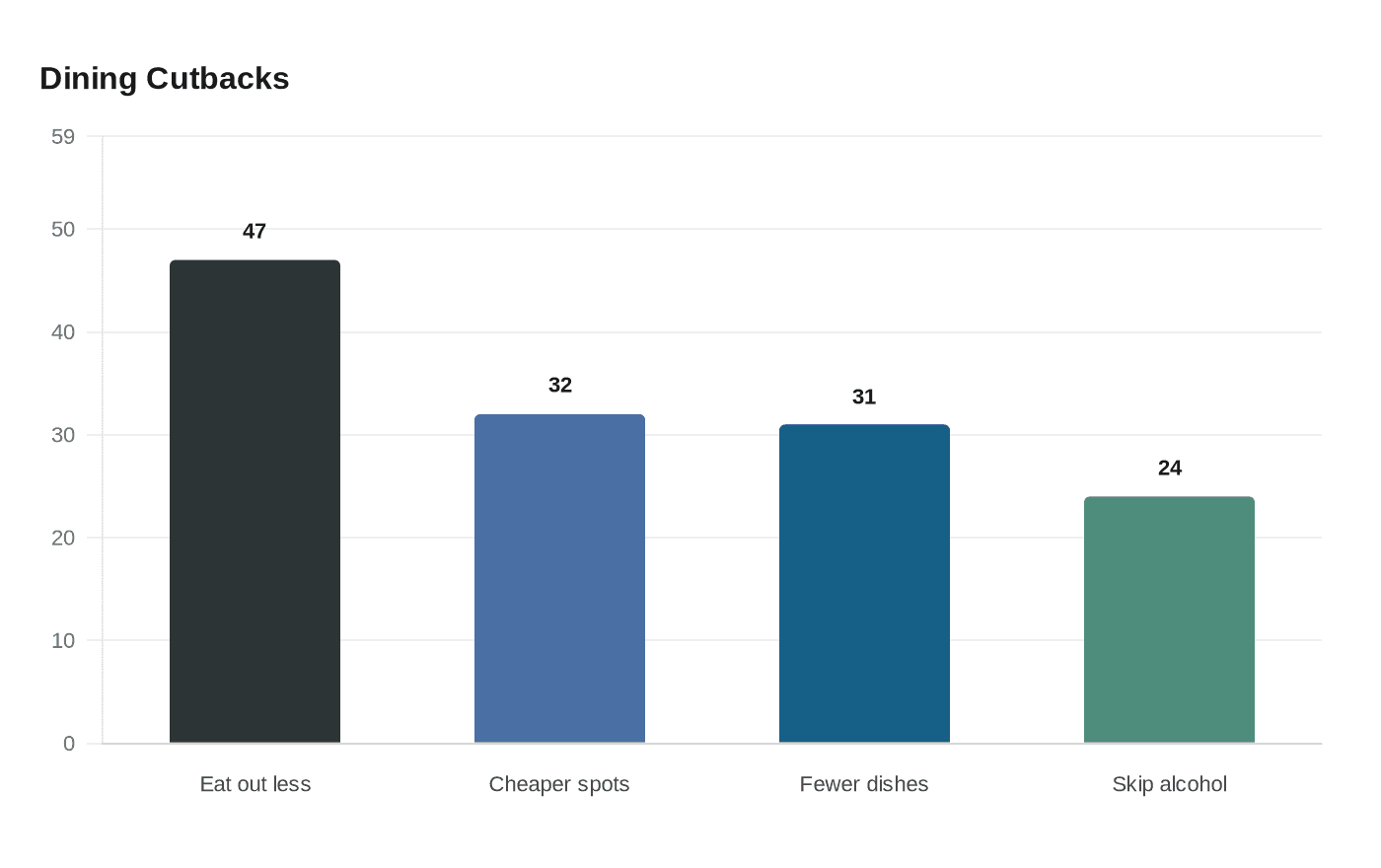
Consumer behavior is part of the problem. A Restaurant Association survey cited in earlier reporting found 47 percent of D.C. residents were eating out less, 32 percent were choosing cheaper restaurants, 31 percent were ordering fewer dishes per visit and 24 percent were skipping alcoholic drinks. Almost half were more likely to eat in Maryland or Virginia. That kind of trade-down hurts downtown operators twice: it cuts check sizes and sends some traffic out of the city center entirely.
Labor costs are tightening the vise. The District’s official wage notice says the base minimum wage for tipped employees rises from $10.00 to $10.30 an hour on July 1, 2026, and D.C. law sets the tipped wage at 56 percent of the full minimum wage starting that day. For restaurants already coping with rent, staffing shortages and uneven demand, the next wage increase adds another fixed cost to a business model that depends on busy lunch rushes and strong dinner turns.
The stakes go beyond one neighborhood. Destination DC says the city had 2,661 restaurants, drew a record 27.2 million visitors and supported 111,500 jobs in 2024, with visitors spending $11.4 billion. Mayor Muriel Bowser called Downtown the city’s “golden goose,” but the latest closures suggest that goose is being fed by fewer office workers, fewer spontaneous diners and a weaker after-work scene than the one that once kept the district packed.
This article was produced by Prism’s automated news system from verified source data, official records, and press releases, then run through automated quality and moderation checks before publishing. The system is built and supervised by the people who set the standards it runs under. Read our full AI policy.
Did this article answer your question?