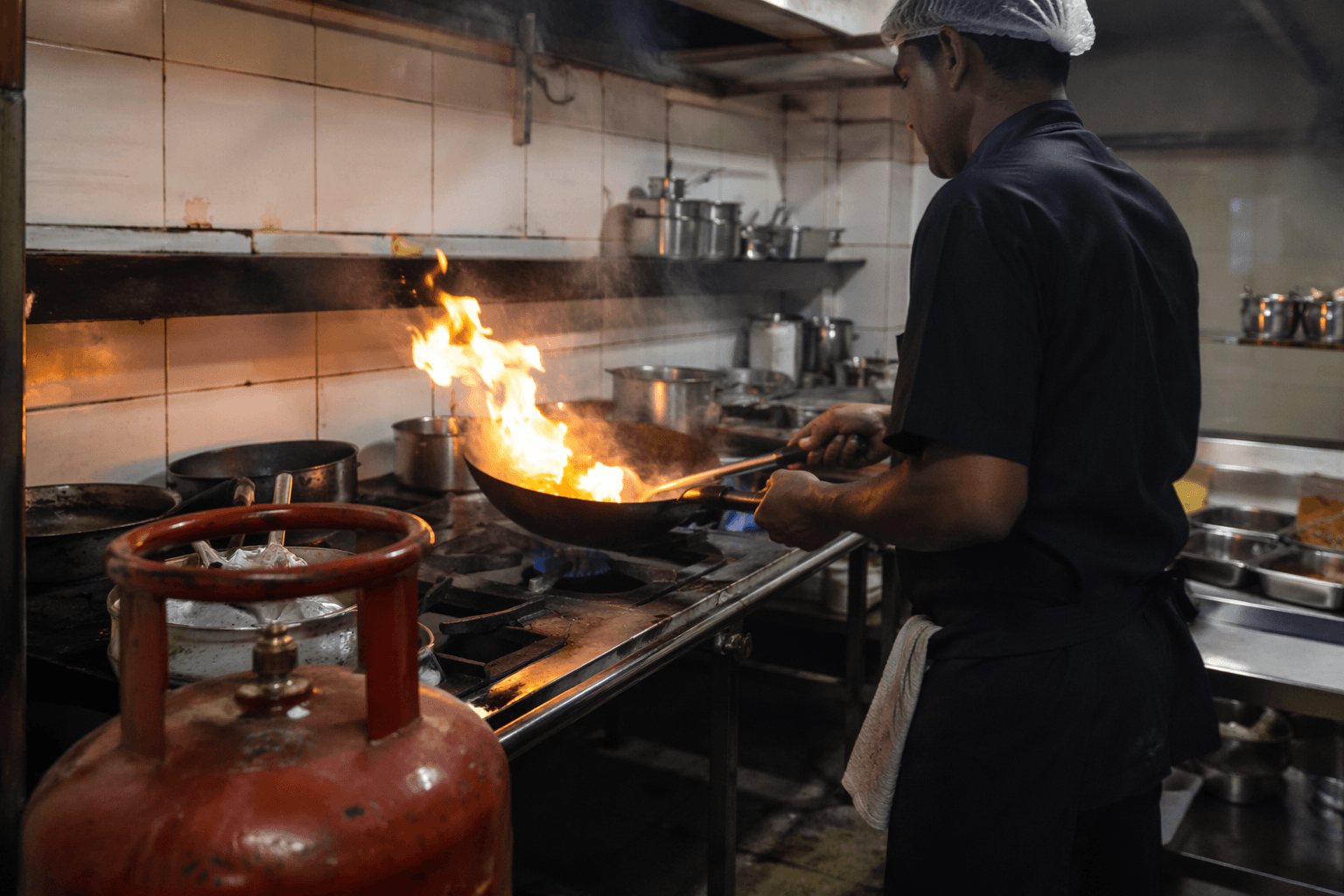
ServSafe course trains restaurant workers on allergy safety, emergencies
One allergen slip can turn a normal shift into an ambulance call, a comped check and a legal headache. ServSafe's course focuses on the cross-contact points that make that happen.

Why allergy training is a shift-saving skill, not a checkbox
In restaurants, an allergen mistake can move fast. One misread label, one rushed handoff on the expo line, one server who does not double-check a guest’s note can turn a routine dinner into a medical emergency, a comped table, a shaken staff and a lot of legal exposure.
That is why ServSafe’s allergens course matters to the floor, the line and the manager on duty. The training is built for anyone who prepares food, including back-of-house employees, managers and culinary students, and ServSafe says it covers identifying allergens, communication with the guest, preventing cross-contact, food labels and more. The point is not just to memorize a list. It is to make the whole operation safer when the room gets loud, the tickets stack up and somebody says, “the guest is allergic.”
What the course is actually teaching
ServSafe’s materials frame allergy safety as a practical system. The course includes allergen fundamentals, front-of-house guidance, back-of-house guidance and managing emergencies, which reflects how restaurant work really runs. The server may be the one speaking to the guest, but the cook, prep worker, dishwasher, expo runner and manager all touch the result.
The course listings also note that sesame is now included in the “big nine” allergens. That matters because menus, prep sheets and guest questions have to keep up with the current major allergens, not the ones a restaurant team learned years ago. One course listing also says the training includes guidance on safely administering epinephrine for someone experiencing anaphylaxis, a reminder that this is not just about avoiding a complaint. It is about knowing what to do when seconds count.
Where cross-contact actually happens
The biggest breakdowns usually happen at the seams of service, where one role hands off to another and nobody wants to slow the shift down. On the front end, workers have to communicate with guests, answer detailed ingredient questions, handle special dietary requests and be careful around self-serve areas. A server who assumes a sauce is safe, or a host who forgets to flag a table, can set off the whole chain.
On the back end, the risks are different but just as real. Cooks and prep staff need to read labels, manage deliveries, prevent cross-contact and keep stations clean. A scoop used for one topping and then another, a cutting board that was not swapped out, a fryer shared between allergen-free items and breaded foods, or a pan that picked up residue from a previous order can all undo good intentions. The CDC study of 278 restaurants found that many places had ingredient lists for at least some menu items, but few had separate equipment or areas designated for allergen-free food, which is exactly where the mistakes get baked into the rush.
Front of house: the first defense
For servers and hosts, the job starts before the food hits the window. Clear communication with the guest is the first defense, because “I’ll check” has to mean an actual check with the kitchen, not a guess. The staff member taking the order has to know how to flag an allergy clearly, repeat the request back and understand when to escalate to a manager or chef.
That front-of-house role is especially important in places with self-serve stations, shared condiments or buffet-style service, where one careless guest can contaminate a common area and create a wider problem for everyone. Allergy safety in the dining room is not just about being polite. It is about keeping a guest from being exposed to food that could send them to the hospital.
Back of house: the prep line is where safety can fall apart
The line is where training becomes a habit or a liability. Prep cooks and line cooks have to know which ingredients contain allergens, how to verify labels on deliveries and how to keep allergen-free orders separate from the rest of production. If a restaurant promises safety at the table but cannot hold the line in prep, the guest is left relying on luck.
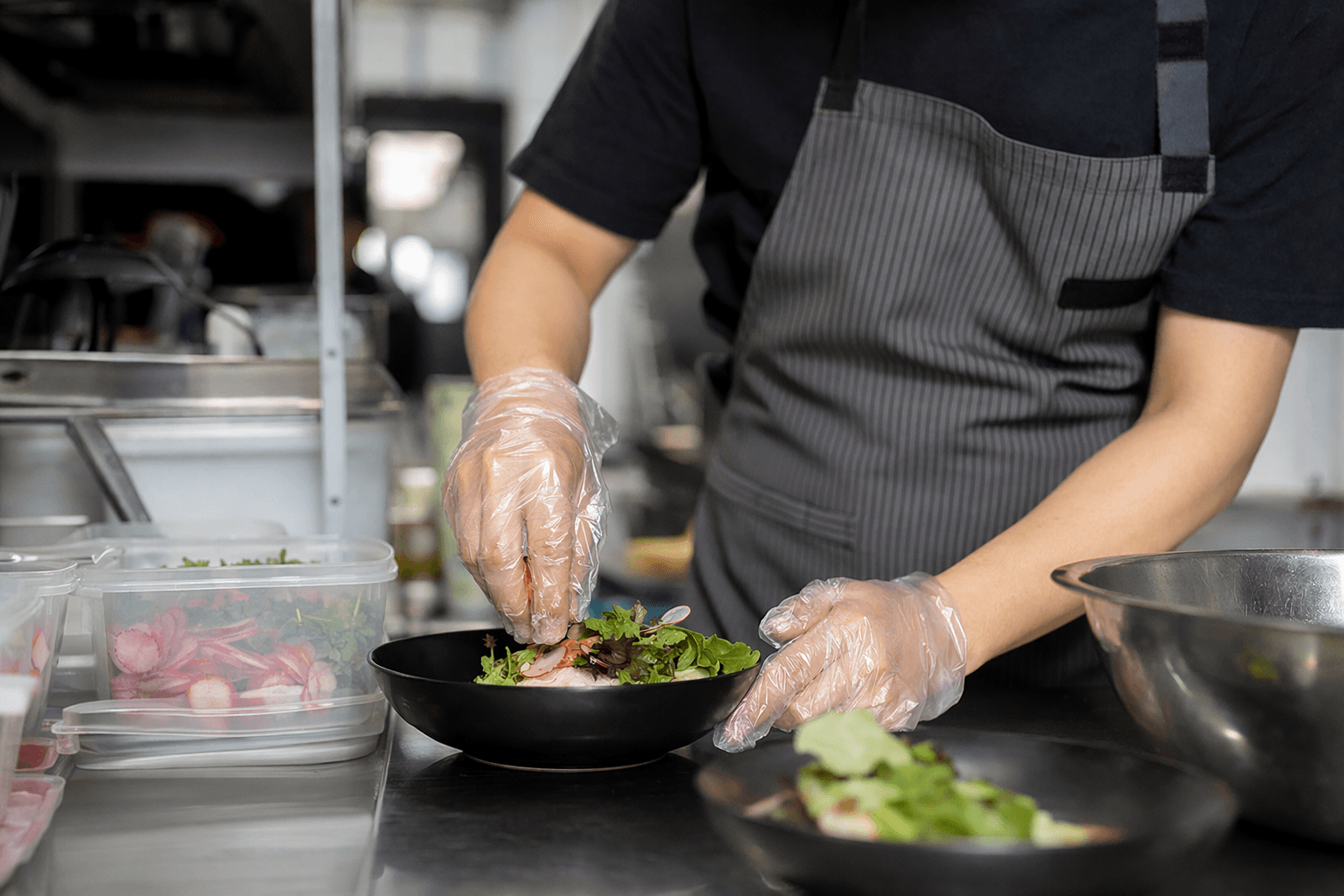
That is why allergen awareness has become part of modern foodservice operations. More diners ask detailed questions about ingredients, and more menus include plant-based or specialty items that can complicate labeling and prep. For managers, the challenge is not simply making sure somebody on the staff “knows allergies.” It is making sure the station setup, ticket flow and communication system actually support the answer the guest was given.
The stakes are bigger than one ticket
The public-health data make clear why this training is not optional in practice, even when it is not formally required by every local rule. The Centers for Disease Control and Prevention estimates food allergies affect about 15 million people in the United States and cause roughly 30,000 emergency department visits and 150 to 200 deaths each year. Nearly half of reported fatal food-allergy reactions over a 13-year period were caused by food from a restaurant or other food-service establishment.
Food Allergy Research & Education puts the number of Americans with at least one food allergy at about 33 million, including nearly 11 percent of adults and 5.6 million children, about one in 13 children. Its registry data and summaries with the American Academy of Allergy, Asthma & Immunology also show that restaurants are the second most common location for food-allergy reactions after the home. In those data, 31 percent of adult reactions and 13 percent of child reactions happened in restaurants, more than half of the people who reacted had told staff about the allergy, about 28 percent of restaurant reactions were treated with epinephrine and 6.2 percent required two doses.
That is the operational cost restaurant workers feel immediately. A single mistake can mean an ambulance, an angry room, a cut check and a staff that spends the rest of the night rattled.
What managers are being asked to know
The regulatory side is catching up to the reality on the floor. The FDA’s 2022 Food Code says the person in charge must demonstrate knowledge of major food allergens and the symptoms of a food-allergy reaction. It also says managers need to understand the seriousness of food allergies, including the risks of anaphylaxis and death, and know how to avoid cross-contact during preparation and service. The FDA describes the Food Code as a model for safeguarding public health in retail and food service, and it is updated every four years.
But adoption is uneven across states and localities, so not every restaurant is working under the same standard. That gap helps explain why some operators still treat allergy training as a nice-to-have instead of a baseline safety practice. FARE says six states have laws designed to make restaurant dining safer for people with food allergies: California, Massachusetts, Maryland, Michigan, Rhode Island and Virginia.
California went further with the ADDE Act, enacted on October 13, 2025, which requires written notification of major allergens in menu ingredient descriptions for restaurants with 20 or more locations. For chains and independents alike, the message is clear: the days of winging it on allergy questions are over.
The real payoff for restaurant teams
Good allergy training protects more than the guest. It reduces confusion at the pass, gives servers a reliable script, helps managers make faster decisions under pressure and lowers the odds that a shift ends with panic instead of service. It also helps protect the reputation of the people on the floor, because no one wants their section, their station or their name attached to the kind of mistake that could have been prevented.
In a restaurant, safe allergy handling is not a side lesson. It is part of the job, from the first ingredient delivery to the last plate that leaves the window.
This article was produced by Prism’s automated news system from verified source data, official records, and press releases, then run through automated quality and moderation checks before publishing. The system is built and supervised by the people who set the standards it runs under. Read our full AI policy.
Did this article answer your question?