NLRB outlines restaurant workers' rights to band together over wages
Restaurant crews can legally compare notes on pay, tips, safety, and scheduling, and managers who punish that talk can cross into unfair labor practice territory.
Restaurant workers have more protection than many kitchens realize
In restaurants, the first step toward fixing a pay problem is often not a formal complaint. It is a conversation on the line, in the walk-in, or after close about why the schedule keeps changing, why the tip pool feels off, or why one broken piece of equipment is still in service. Federal labor law protects a lot of that talk, and the gap between what workers assume is risky and what the National Labor Relations Board says is lawful is where many workplace fights begin.
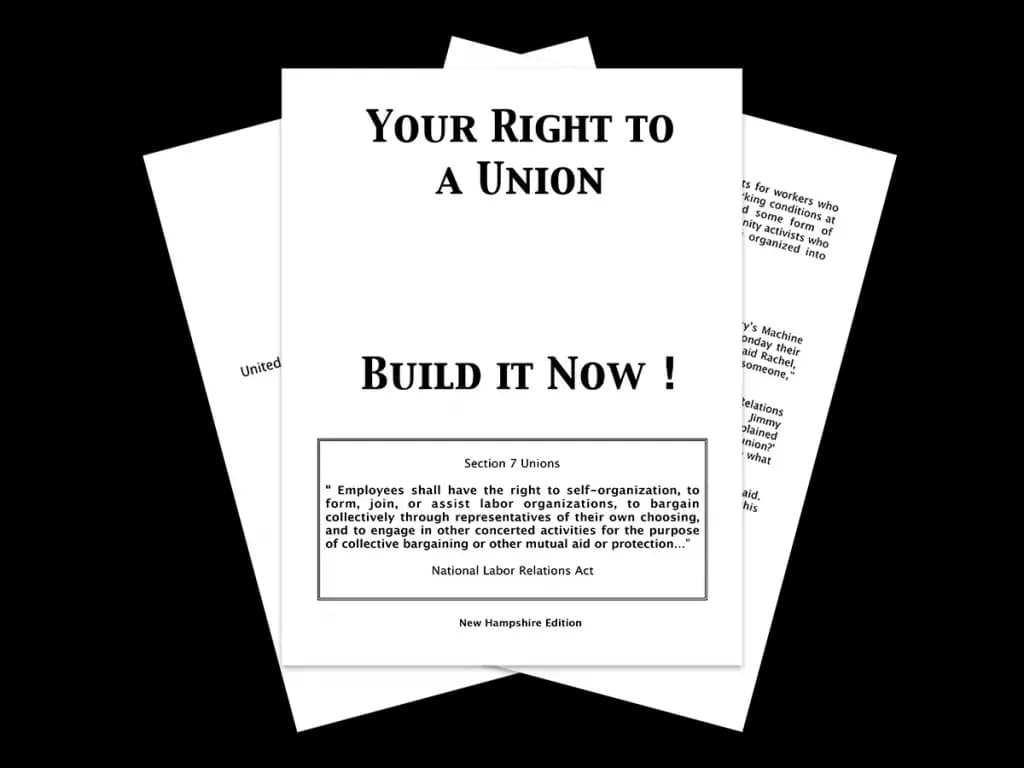
The core rule is simple: employees covered by the National Labor Relations Act have the right to join together to improve wages and working conditions, with or without a union. Section 7 of the law protects those concerted activities for mutual aid or protection, and Section 8(a)(1) makes it an unfair labor practice for an employer to interfere with, restrain, or coerce workers in using those rights. In plain restaurant terms, that means a crew does not have to wait for a formal union drive before talking together about pay, safety, or scheduling chaos.
What counts as concerted activity in a restaurant
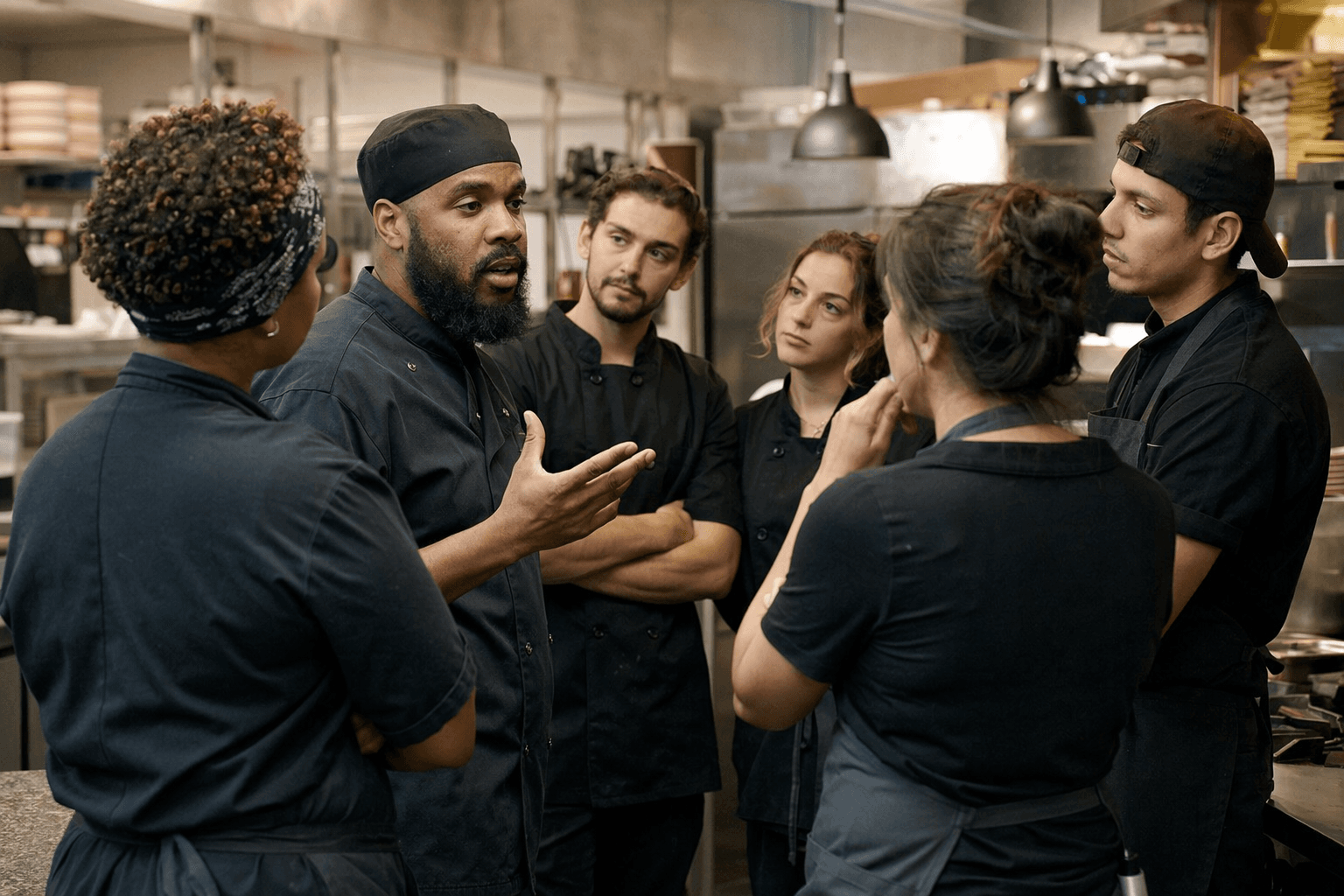
The NLRB defines concerted activity as two or more employees acting together about terms and conditions of employment. That can look ordinary in food service, where workers already coordinate constantly to survive a rush. Two cooks comparing notes on short staffing, two servers talking to the boss about better pay, or coworkers discussing safety problems before a shift are all the kind of workplace conversations the board has flagged as potentially protected.
The agency also says a single worker can still be protected in some situations. That includes acting on the authority of other employees, bringing a group complaint to management, trying to induce group action, or preparing for group action. In a restaurant, that could be the bartender who tells the general manager that several coworkers are worried about missing overtime, or the opener who raises a repeated equipment hazard on behalf of the rest of the team.
Examples the NLRB has highlighted are especially familiar to restaurant crews:
- two or more employees discussing pay
- workers discussing safety concerns with one another
- one employee speaking to management on behalf of coworkers
- a lone employee presenting a group complaint or trying to line up collective action
That matters because so many restaurant disputes start as informal chatter before they become formal grievances. Wage compression between front and back of house, disputes over tip-sharing, breaks that are routinely cut short, and last-minute scheduling changes all tend to surface first as coworker conversation, not polished HR language.
Where managers can get into trouble
The law does not just protect workers from obvious anti-union retaliation. It also reaches discipline, threats, and coercion tied to protected concerted activity. If management treats a group complaint like disloyalty, or singles out a worker for raising shared concerns, that can become a legal problem fast.
That is the hard lesson for operators: a manager does not have to hear the words “union” to trigger labor law obligations. If a host, cook, server, or dishwasher is raising a shared concern about pay, safety, or conditions that affect the crew, the legal question is often whether the employer reacted to protected group activity. In a business built on thin margins and constant staffing pressure, that response can shape turnover just as much as it shapes liability.
The restaurant industry makes these rights more practical, not less
The NLRB’s protected-concerted-activity page was launched publicly on June 18, 2012, and the agency said at the time that non-union concerted activity accounted for more than 5% of its recent caseload. That launch was not theoretical. The board pointed to cases involving a worker fired after discussing wages with a coworker, an employee fired after reporting safety concerns affecting other workers, and employees disciplined after discussing work grievances publicly.
Those examples still resonate because restaurants remain one of the country’s largest and most strained employment sectors. The Federal Reserve Bank of St. Louis reported that food services and drinking places employed 12.3564 million workers in April 2026. The National Restaurant Association says the broader restaurant and foodservice industry had 14.2 million employees and $472.4 billion in total labor income in 2022, with a direct economic contribution of $1.4 trillion in output in 2024 dollars.
The staffing pressure behind those numbers is not abstract. In February 2024, the association said 70% of operators had hard-to-fill openings and 45% said they needed more employees to meet customer demand. By June 2024, it reported 866,000 job openings in the combined restaurants and accommodations sector, while eating and drinking places were still nearly 64,000 jobs above their February 2020 peak. That is the backdrop for every argument over hours, sections, prep lists, and tip disputes: the industry is large, busy, and still short on labor.
What employees should understand before speaking up
For restaurant workers, the main takeaway is that talking with coworkers about shared problems is often protected activity, not troublemaking. If a team is repeatedly short-staffed, dealing with unsafe equipment, losing money to confusing tip practices, or getting hammered by unstable schedules, talking about it together can be the first step toward change.
The law is not a guarantee that every complaint will be resolved in your favor. But it does give workers room to organize around the issues that hit daily life on the job. That can include:
- pay and overtime concerns
- tip-pooling and tip-sharing disputes
- breaks and meal-period problems
- safety hazards in the kitchen or dining room
- scheduling changes that create instability and burnout
The Act does exclude some workers, including government employees, agricultural laborers, domestic workers, independent contractors, supervisors, and certain railway labor act employees. Most private-sector restaurant workers, though, are covered. That distinction matters because a lot of restaurant labor advice online blurs the line between “not unionized” and “not protected.” Those are not the same thing.
What managers should do differently
For managers, the safer move is to respond to group concerns like a labor issue, not a loyalty test. That means listening before reacting, avoiding threats, and not punishing workers for comparing notes about pay or working conditions. If several employees raise the same complaint, the fact that they did so together is often the part the law is designed to protect.
Restaurants run on trust as much as tickets and comps. When managers treat protected concerted activity as insubordination, they risk more than a charge at the NLRB. They deepen the resentment that drives turnover, quiet quitting, and walkouts in an industry already battered by staffing shortages.
The NLRB’s message is a practical one for day-to-day restaurant life: workers do not have to wait for a union election to speak together about wages, safety, tips, or scheduling. In a sector where the pressure is constant and the margins are thin, that right is not a side issue. It is one of the few legal tools crews have before frustration hardens into retaliation or attrition.
This article was produced by Prism’s automated news system from verified source data, official records, and press releases, then run through automated quality and moderation checks before publishing. The system is built and supervised by the people who set the standards it runs under. Read our full AI policy.
Did this article answer your question?