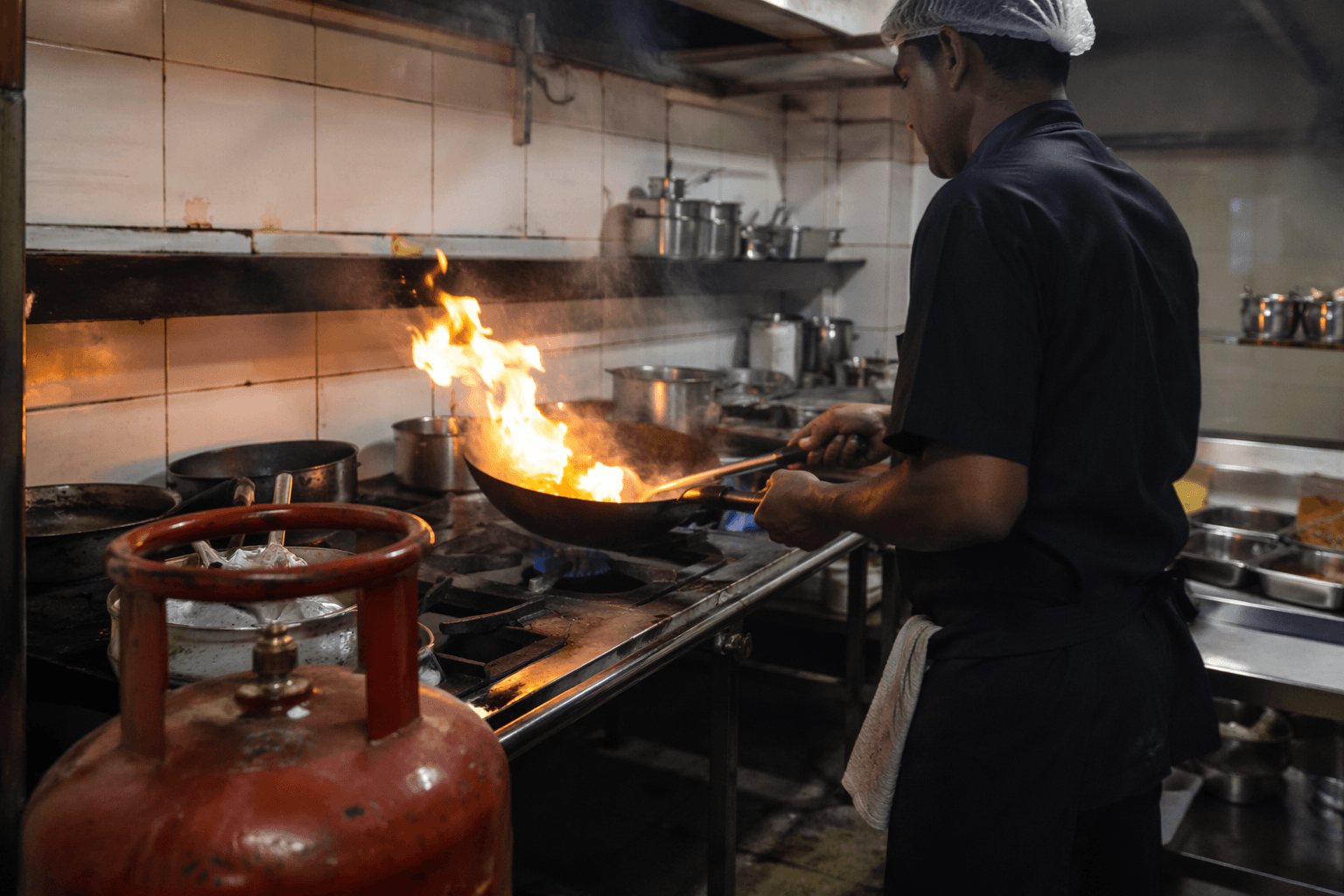
DOL clarifies when restaurant breaks count as paid work time
A 10-minute smoke break is paid time, but a true 30-minute meal period is not. For restaurant crews, that line can mean missing wages or clean payroll.

A 10-minute smoke break is paid time under federal rules, but a real meal period is not. That difference sounds small until it shows up on a restaurant timecard: a brief reset in the walk-in, a few minutes off the line between lunch and dinner rush, or a short break that turns into side work can all change whether you get paid for the time.
The basic line federal law draws
The Department of Labor says federal law does not require lunch or coffee breaks at all. But when an employer does offer short breaks, the rule is clear: rest periods of about 5 to 20 minutes count as hours worked and must be paid. The federal regulation and the DOL’s own guidance both use that same benchmark, so the difference between a paid rest break and an unpaid meal break is not left to guesswork.
That matters because restaurant shifts are built on interruptions. If you step off the line for 12 minutes to cool down, drink water, or catch your breath before dinner service, that is generally compensable time. Coffee breaks and snack time are treated as rest periods, not meals, which means they belong on the clock.
What counts as a bona fide meal period
Meal periods are different. Under federal rules, a bona fide meal period is ordinarily 30 minutes or more, and it is not work time only if you are completely relieved from duty. In plain English, that means you are actually free to eat, sit down, and step away from responsibilities. If you have to keep answering tickets, checking the pass, watching the host stand, or performing any other duties while eating, you are not fully relieved.
That distinction is where a lot of restaurant wage confusion starts. A “lunch” that lasts 30 minutes on paper but gets interrupted by running food, covering a callout, or helping with a rush is not the same as a true meal period. The law looks at what you are doing, not just what the schedule calls it.
The DOL’s current guidance and its eLaws tool both use the same 5-to-20-minute rest break rule and the 30-minute meal benchmark. For workers, that means a label on the schedule is not enough. For managers, it means payroll systems and break policies need to match what actually happens on the floor.
How this plays out in restaurant shifts
The restaurant examples are usually the ones that hit paychecks hardest. A line cook sent to the walk-in for a 15-minute reset, a server who takes a quick smoke break after a slammed brunch, or a bartender who gets a few minutes between waves of tickets is usually dealing with paid time. Those are rest periods, even if nobody calls them that in the moment.
A different problem comes up with interrupted lunches. If you are told you have a 30-minute meal break, but you spend part of it handling side work, answering the phone, or jumping back into service, the break may stop being a bona fide meal period. Federal rules are focused on whether you were completely relieved from duty. If the answer is no, the time should not be treated as an unpaid meal just because the schedule said “lunch.”
On-call meal breaks create another gray area for restaurant workers. If you are expected to stay available, keep your apron on, or be ready to jump up for a table or a delivery issue, that can undercut the idea that you were truly off duty. The more your break looks like being in waiting mode for the restaurant, the weaker the case for treating it as unpaid meal time.
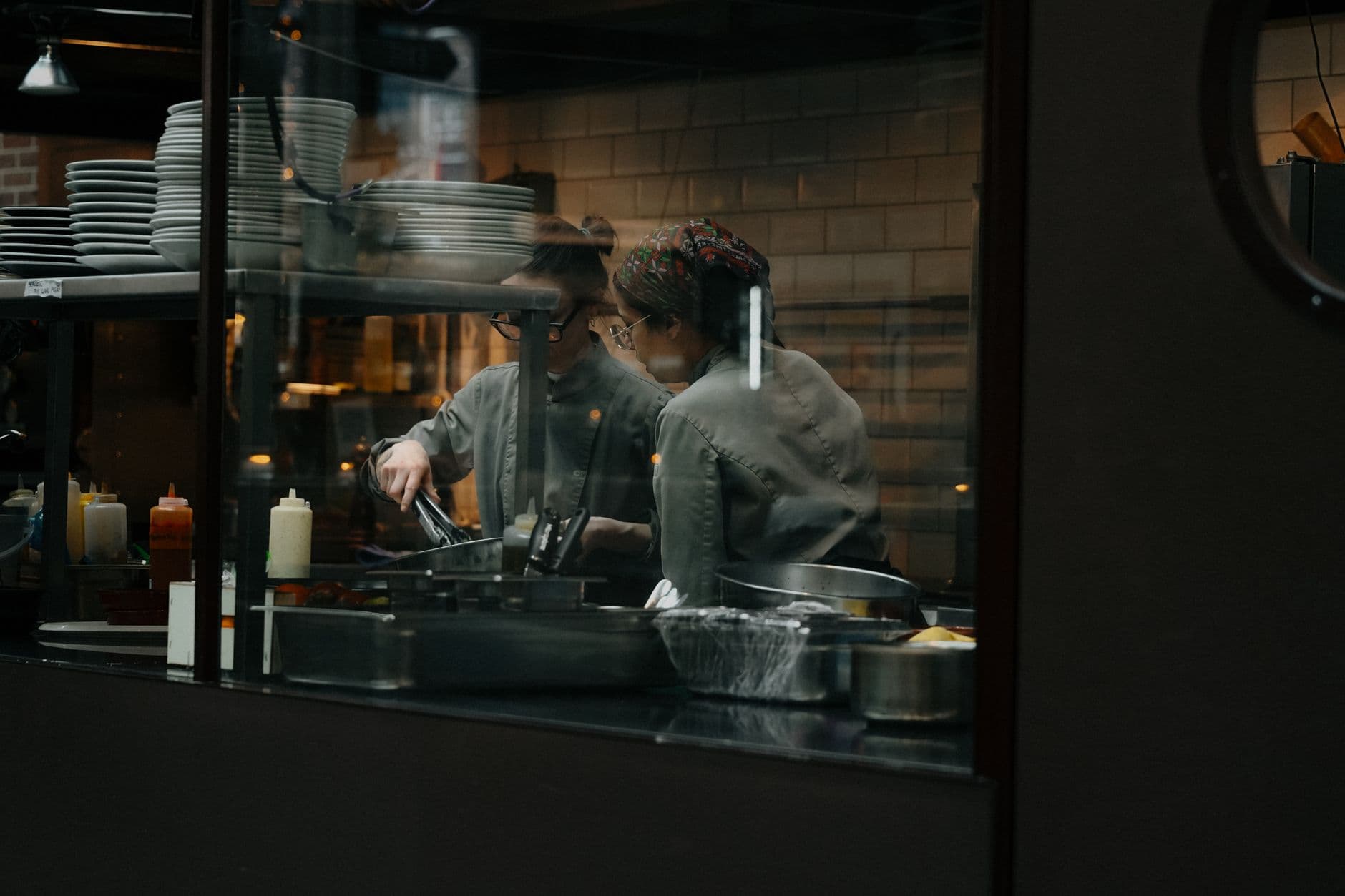
When extra time after a break does not have to be paid
There is one more wrinkle managers and workers should know. The DOL says unauthorized extensions of authorized breaks do not have to be counted if the employer clearly told workers the break limit and warned that violations would be punished. That does not erase the need to pay for legitimate rest time, but it does mean a worker who knowingly stretches a break beyond the rules may not turn that extra time into paid time automatically.
In practice, that makes clear break policies important. Restaurants should spell out whether a 15-minute break is a 15-minute break, whether meal periods are 30 minutes or longer, and what happens when service interruptions cut a meal short. If the policy is vague, the clock gets messy fast, and the workers who feel the confusion first are usually the people making the least money per hour.
Why the distinction matters so much in food service
This is not a small corner of the labor market. The food services and drinking places subsector includes full-service restaurants, limited-service eating places, special food services, and drinking places. The Bureau of Labor Statistics said it employed 12,437.9 thousand workers in May 2026, including 10,871.3 thousand production and nonsupervisory employees. That is a lot of people whose pay can be affected by a few minutes here and there.
The same industry is also one of the toughest on bodies. BLS tracks injuries and illnesses in food service, and anyone who has worked a double, closed a shift, or tried to push through a slammed weekend knows why short pauses matter for safety, fatigue, and turnover. A legally paid 10-minute reset can be the difference between staying sharp on expo and making mistakes that ripple through the whole dining room.
When state law or disability rules change the answer
Federal law sets the floor, not the ceiling. The DOL points workers to state labor offices because state law can offer more protective rest and meal break rules than federal law. In some places, that means stronger meal protections, required rest breaks, or tighter rules about when unpaid breaks are allowed. The exact rights you have can change depending on where you work.
Break timing can also connect to disability accommodations. The Equal Employment Opportunity Commission has said that changing when breaks are taken or providing periodic extra breaks can be a reasonable accommodation under the ADA for some workers. For a restaurant employee managing a medical condition, that can mean the difference between keeping a shift and losing one.
The practical lesson is simple: short breaks and meal periods are not the same thing, and restaurant payroll depends on knowing which is which. If you are working, waiting, or getting pulled back into service, that time may belong on the clock. If you are truly relieved from duty for a bona fide meal period, the law treats it differently.
This article was produced by Prism’s automated news system from verified source data, official records, and press releases, then run through automated quality and moderation checks before publishing. The system is built and supervised by the people who set the standards it runs under. Read our full AI policy.
Did this article answer your question?