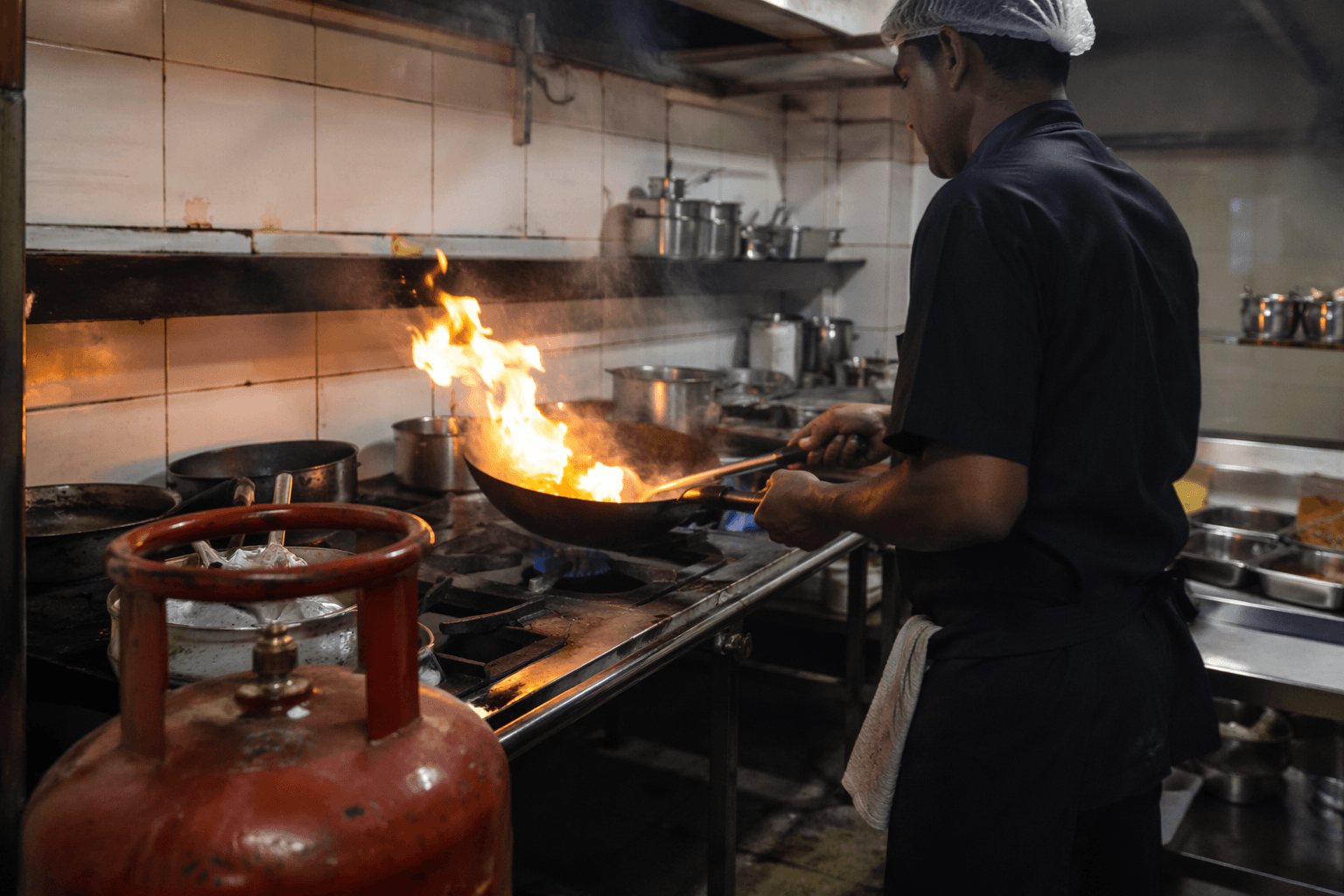
DOL says restaurant workers must be paid for all hours worked
Sidework, training and closing chores can all count as paid time, and the Labor Department is reminding restaurants that off-the-clock minutes add up fast.

Pre-shift prep, mandatory meetings, required training, waiting time and some travel time can all count as paid hours in restaurants. Covered, nonexempt workers must receive at least the minimum wage and overtime at one and one-half times their regular rate for hours worked over 40 in a workweek.
Lectures, meetings and training programs may count as hours worked depending on the facts, and travel between locations or required preliminary and postliminary travel can be compensable when contract, custom or practice says so. Bureau of Labor Statistics data put food services and drinking places at about 12,437.9 thousand workers in May 2026.
Waiting time counts when an employee is “engaged to wait,” but not when the worker is “waiting to be engaged.” On-call time can also count as hours worked if the employee must stay so close to the workplace that the time cannot be used effectively for personal purposes. Hosts, bartenders and cooks are often told to stay nearby for a rush, finish silverware, refill ice, wipe the line or hang around for an extra task after the posted shift ends.
The Labor Department defines a tipped employee as someone who customarily and regularly receives more than $30 a month in tips, and its 2021 Dual Jobs Rule sets limits for tip-credit purposes when time spent on non-tipped duties exceeds 20% of the workweek or runs continuously for more than 30 minutes. Off-the-clock cleaning, stocking and sidework can become wage violations.
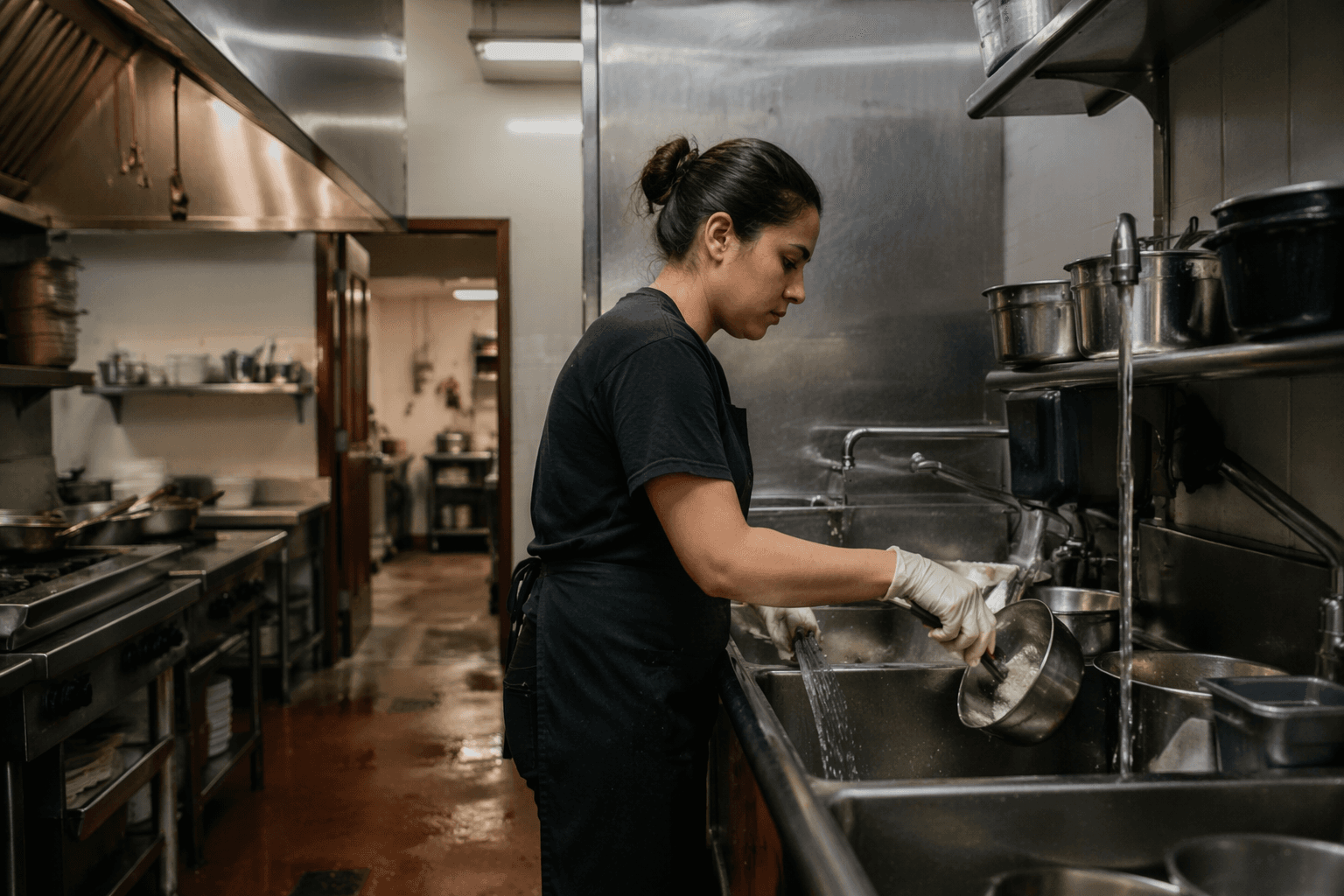
In 2023, the Labor Department recovered $11.4 million in back wages and liquidated damages for more than 1,000 employees of Plaza Azteca. In fiscal 2022, the Wage and Hour Division recovered more than $27 million for more than 22,500 food service workers nationwide, and in fiscal 2023 it recovered more than $29 million in back wages for food service workers nationwide.
Workers should keep their own notes on clock-in and clock-out times, pre-shift prep, training sessions, closing work, on-call instructions and travel between stores or catering sites. Managers should keep accurate records of hours worked and wages earned.
This article was produced by Prism’s automated news system from verified source data, official records, and press releases, then run through automated quality and moderation checks before publishing. The system is built and supervised by the people who set the standards it runs under. Read our full AI policy.
Did this article answer your question?