DoorDash beats earnings, boosts outlook as driver costs rise
DoorDash topped earnings, but the real cost of keeping orders moving was a $50 million gas-relief bill for Dashers as fuel pressure spread through the system.

DoorDash is still growing fast, but keeping delivery viable is getting more expensive by the quarter. The company beat expectations, lifted its outlook, and still had to carve out more than $50 million for driver gas relief, a sign that fuel costs are no longer just a driver problem. They are now part of the price of running the whole delivery machine.
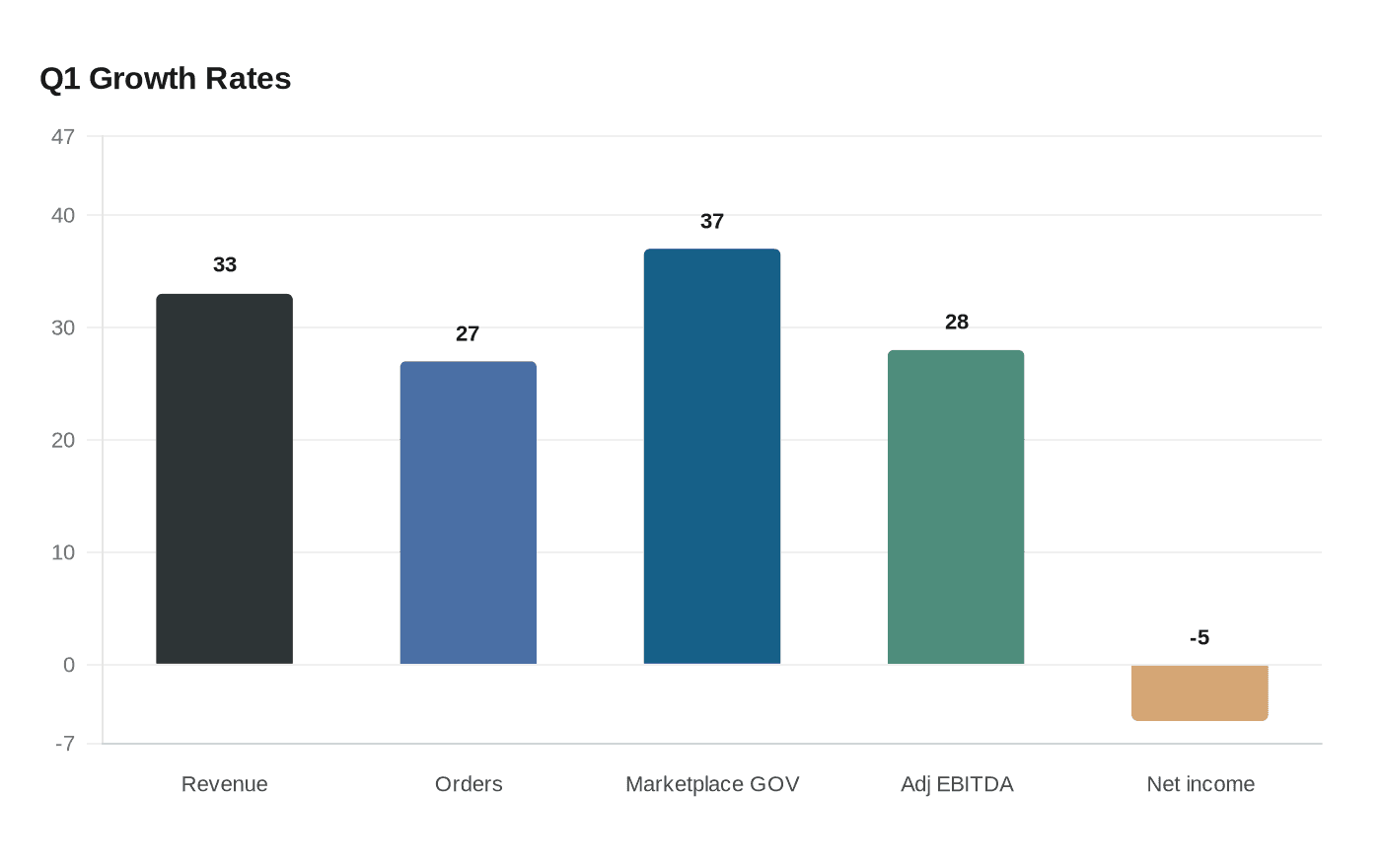
The numbers were strong on their face. First-quarter revenue rose 33% from a year earlier to $4.036 billion, total orders increased 27% to 933 million, and Marketplace GOV climbed 37% to $31.6 billion. Adjusted EBITDA grew 28% to $754 million. But GAAP net income attributable to common stockholders fell 5% to $184 million, and the company’s next-quarter forecast called for Marketplace GOV of $32.4 billion to $33.4 billion, above analyst estimates. DoorDash’s shares jumped after the update, but the message to restaurants and Dashers was clearer than the stock move: demand is healthy, yet the economics of making each order work are getting tighter.
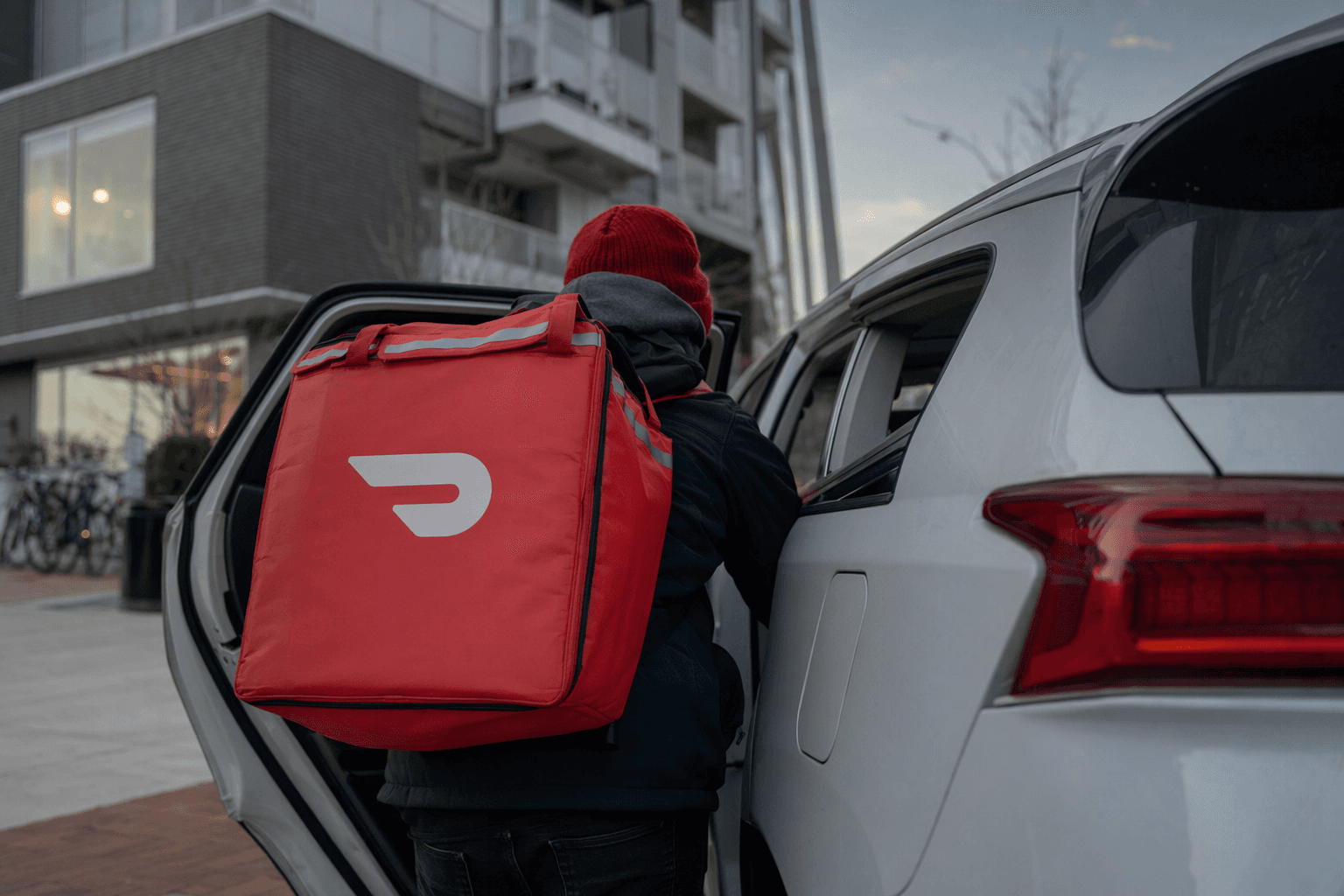
For restaurant workers, that matters because delivery only works if the chain holds. If gas costs push Dashers to skip runs, the burden lands back on kitchens, hosts, cashiers, and expo teams when orders pile up or timing slips. If the relief program keeps more drivers on the road, restaurants may preserve volume, but they also inherit more packing, more handoff pressure, and more chances for mistakes when takeout and delivery collide with dine-in service. A busy night can turn into a bottleneck quickly when one missing sauce, one delayed bag, or one re-fired ticket ripples through the system.
DoorDash launched its emergency relief program for U.S. Dashers on March 23, 2026. The package included 10% cash back on gas for drivers using the Crimson card and weekly relief payments for Dashers who drove at least 125 miles while dashing. Eligible drivers could save about $1.40 to $1.90 per gallon if they qualified for both parts of the program, with weekly payments starting at $5 and rising to $15 depending on miles driven. DoorDash later extended the Crimson card cash-back piece through June 30, 2026.
The company is also spending heavily to make delivery more than delivery. It said it is moving to a single global technology platform with infrastructure already in place across payments, fraud, support, subscriptions, merchant tools, and logistics. That fits its broader push into grocery, retail, and international markets, along with the planned $1.2 billion acquisition of SevenRooms to add reservations and table-management tools for restaurants. In other words, DoorDash is betting that delivery, hospitality software, and local commerce can all live on one platform. What remains unsettled is who absorbs the fuel shock when the ride gets more expensive: drivers, restaurants, customers, or DoorDash itself.
Know something we missed? Have a correction or additional information?
Submit a Tip