DoorDash gets Boston permit as delivery safety crackdown begins
DoorDash now has Boston’s permit, and restaurant handoffs just got more regulated. Managers face new pickup checks, data scrutiny, and a $300 daily penalty risk.
DoorDash said it secured Boston’s operating permit as the city began enforcing a new delivery safety ordinance, turning what was once a loose handoff at the counter into a more formal compliance point for restaurant crews. The rule, passed by Boston City Council on April 2, 2025 and enforced starting April 11, 2026, requires major delivery platforms to carry liability insurance, hold a city permit and share delivery data with Boston officials.
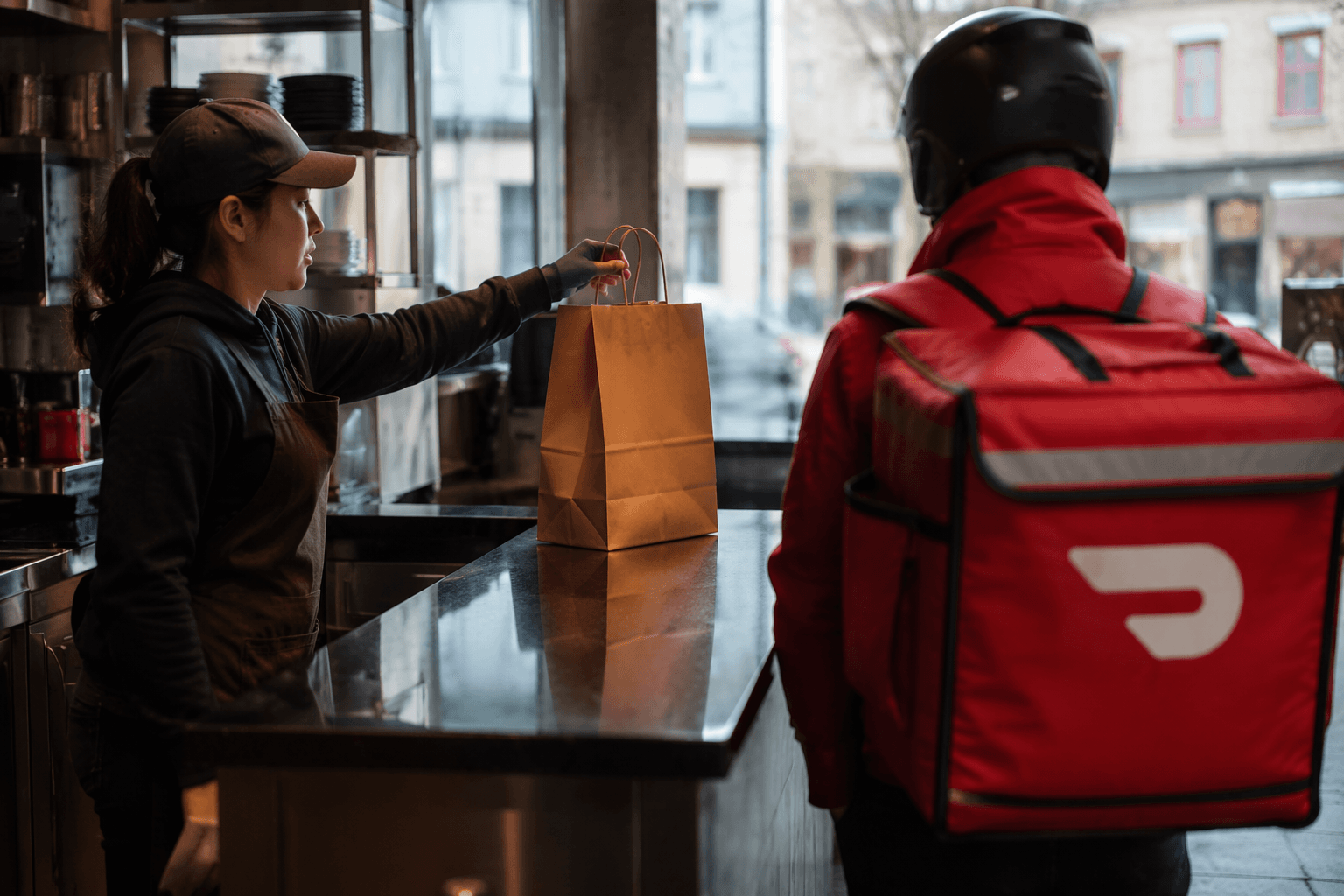
For restaurant operators, the change reaches the front door, not just the back office. Pickup shelves, curbside handoff, order verification and driver check-in now sit inside a system the city says is meant to improve safety and track how delivery really works across Boston. That means hosts, runners and managers are more likely to be the first people dealing with early arrivals, late arrivals, wrong-name pickups and crowded doorways when multiple couriers show up at once.
Boston says it wants data on vehicle types, the restaurants receiving the highest number of orders and where and how quickly trips are completed. That information could help the city understand delivery patterns, but it also means platforms and restaurants are operating under more visibility than before. If pickup procedures are unclear, the burden is likely to fall on managers trying to keep orders moving while avoiding disputes with drivers who are trying to get out the door quickly.
The ordinance applies only to delivery companies that complete more than 1 million orders a year, which puts DoorDash, Uber Eats and Grubhub in scope while excluding smaller businesses and package carriers such as FedEx, UPS and Amazon. Boston officials had already warned the platforms about driver behavior in a June 3, 2024 letter from Chief of Streets Jascha Franklin-Hodge and Police Commissioner Michael Cox, citing dangerous and unlawful conduct. The city has also said 311 complaints about delivery vehicles have risen 200% since 2022.
The enforcement risk is real for restaurants caught in the middle. Boston says operating without a permit can trigger a $300 per day fine per restaurant or per order. For owners already juggling labor shortages, burnout and high turnover, that creates another reason to standardize pickup steps, train staff on driver verification and decide exactly where delivery orders will be staged before service gets busy.
DoorDash said Boston businesses generated about $250 million in additional revenue through its platform in 2025, and more than 60,000 people earned over $60 million on DoorDash in the city that year. That underscores how deeply delivery is tied to Boston restaurant revenue, even as the city and the platforms push for tighter control over how those orders leave the building.
This article was produced by Prism’s automated news system from verified source data, official records, and press releases, then run through automated quality and moderation checks before publishing. The system is built and supervised by the people who set the standards it runs under. Read our full AI policy.
Did this article answer your question?