DoorDash launches campaign to cut restaurant fees and permit delays
DoorDash is pitching fee waivers and shot-clock permits as restaurant relief, but the bigger fight is over who captures the savings: owners, workers or DoorDash.

DoorDash has put restaurant permitting and fee pain at the center of a new policy campaign, arguing that too many small businesses lose time and money before they ever serve a first plate. The company launched Unlocking Main Street on May 14, 2026, with a blueprint that includes first-year-free fee waivers and shot-clock permitting, a push it says could unlock as much as $10 billion in savings and sales.
For restaurant workers, that argument lands in familiar territory. When an operator sits on a lease, waits on inspections, or gets stalled by a stack of approvals, hiring gets delayed, training gets delayed, and payroll starts late. A faster opening can mean another spot where cooks, servers, bartenders, hosts, and managers can move for better hours or better pay. In an industry still marked by burnout, high turnover, and thin margins, fewer delays can also mean a concept survives long enough to add seats, patio service, or a second location instead of collapsing under carrying costs.
DoorDash is selling the campaign as a small-business fix, but it is also a bid to shape how local governments regulate restaurant growth. Max Rettig, the company’s public policy chief, said too many places make it too hard to open and run a small business. The launch materials also feature Ramiro A. Cavazos, president and CEO of the U.S. Hispanic Chamber of Commerce, as a supporter, signaling an effort to frame the agenda as an engine for Hispanic-owned businesses and broader economic mobility.
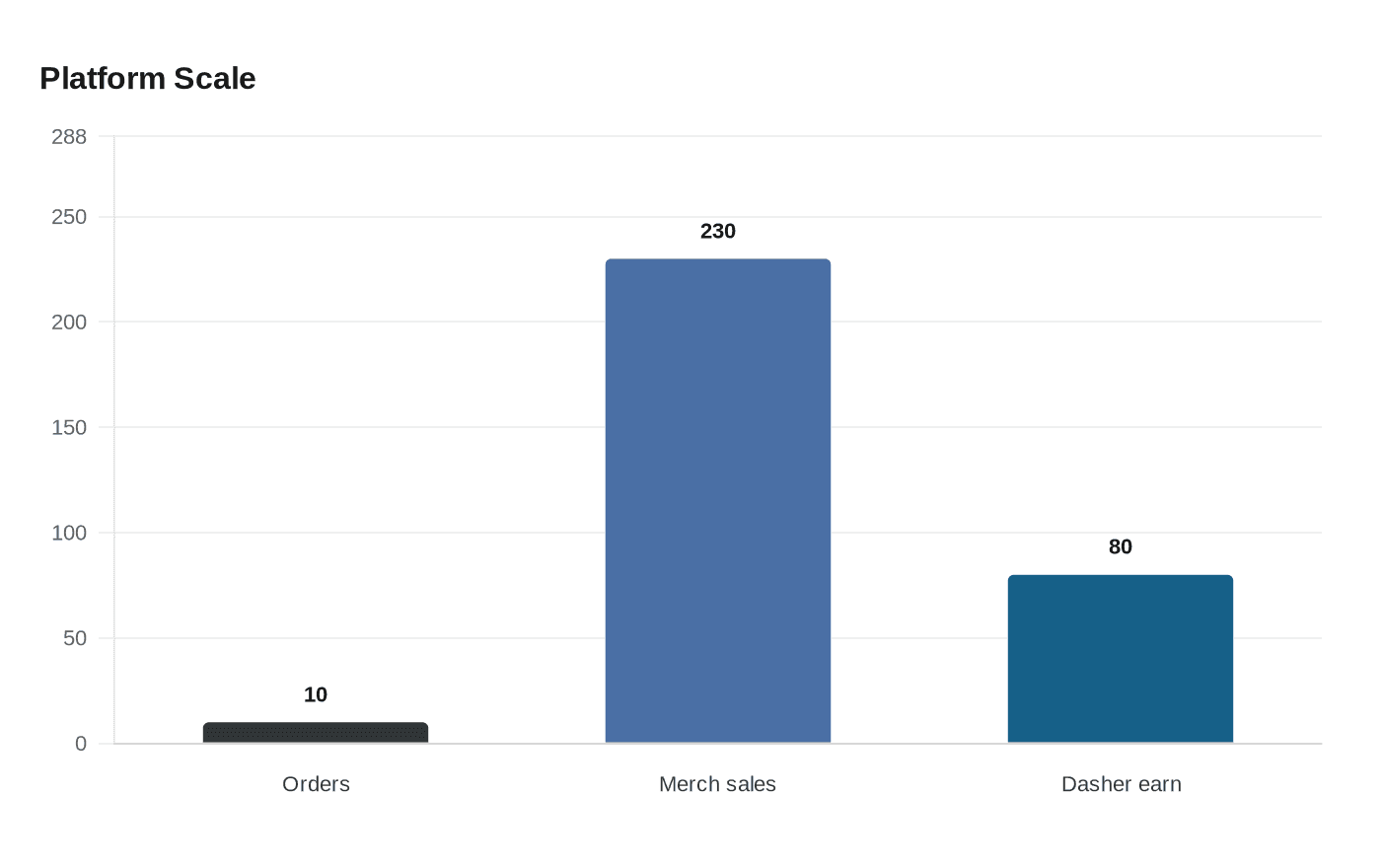
The company is not starting from scratch. In September 2025, DoorDash said DoorDash and Wolt had facilitated more than 10 billion consumer orders, driven more than $230 billion in sales for merchants, and helped Dashers earn more than $80 billion through the platform. DoorDash’s 2024 U.S. economic impact report said it supported more than $106 billion in economic activity and nearly $20 billion in tax revenues, while its 2025 report put that at more than $130 billion and nearly $25 billion, with more than 1.5 million full-time equivalent jobs. That scale helps explain why the company wants to be seen as a policy player, not just a delivery app.
The restaurant industry backdrop gives the campaign traction. The National Restaurant Association projects $1.55 trillion in total restaurant and foodservice sales in 2026 and more than 100,000 added jobs, even as operators still face cost pressure and cautious consumer spending. DoorDash has already backed a New York City proposal to make it easier to use the city’s outdoor dining program year-round, and it supported a California proposal that would require restaurants to be able to open within 20 business days after applying for permits.
That is where the real policy question sits. Shot-clock permitting and fee waivers could help independent restaurants clear the gantlet between idea and opening, but they could also leave the biggest structural gains with the platform that is now positioning itself as a broker of local commerce. The campaign’s test is simple: whether the savings show up first in worker schedules, owner balance sheets, and fuller dining rooms, or mostly in DoorDash’s larger push to shape the rules around the industry it feeds.
This article was produced by Prism’s automated news system from verified source data, official records, and press releases, then run through automated quality and moderation checks before publishing. The system is built and supervised by the people who set the standards it runs under. Read our full AI policy.
Did this article answer your question?