Dubai Restaurants Face Layoffs and Closures as War Impacts Tourism
Dubai's Tashas group cut staff pay 30% and has cash for two to three months as war collapses hotel occupancy to 15-20% of normal and tourist-heavy restaurants report 80% revenue drops.
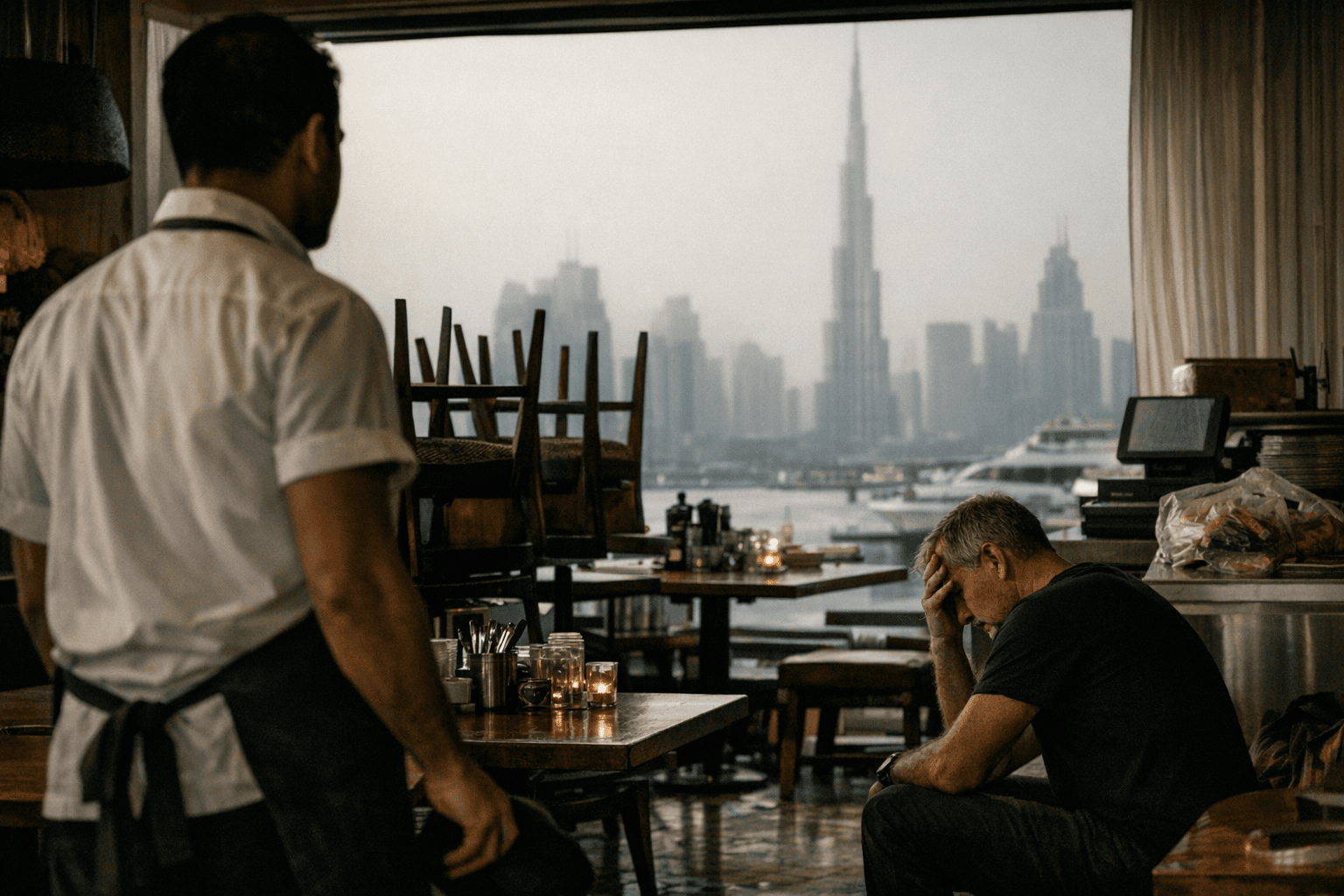
Natasha Sideris spent a decade building the Tashas hospitality group from a single Dubai restaurant she opened in 2014 into a 14-outlet operation employing more than 1,000 people. Within weeks of the US-Israel war with Iran erupting in late February 2026, revenues at her tourist-heavy locations had collapsed by as much as 80 percent. She cut salaries 30 percent across all staff, including her own, and is now counting the weeks. "We've got enough cash to see us through a month or two, maximum three, and then past that, what do we do?" Sideris said. "After that, we will have to take tougher calls. Hopefully not. And this insanity ends soon."
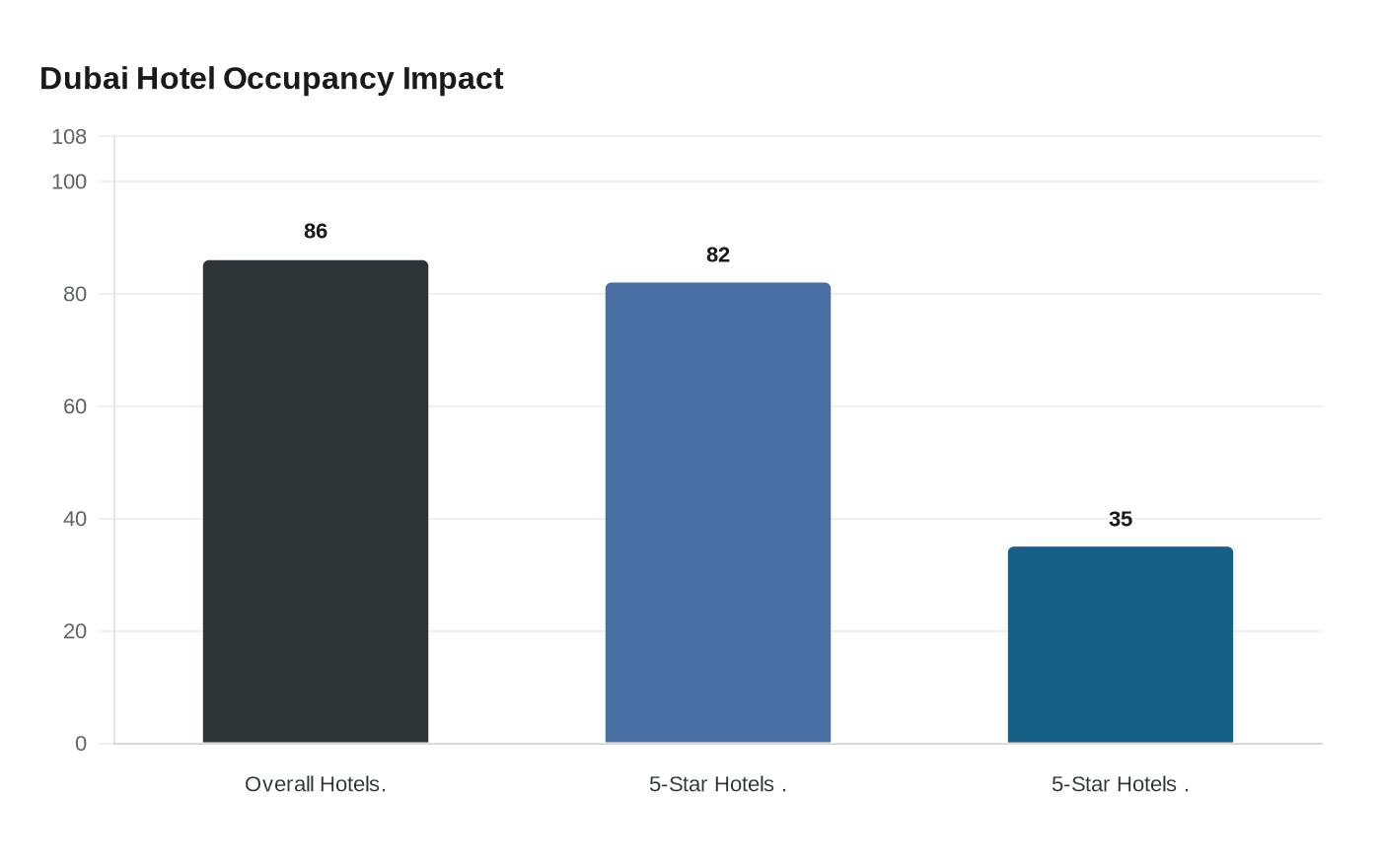
Her math reflects an industry in freefall. Dubai hotel occupancy, which averaged 86 percent across 827 hotels in January, crashed to just 15 to 20 percent of normal seasonal levels in the weeks following the conflict's outbreak, according to Mamoun Hmiden, chief business officer at travel booking firm Wego. Five-star properties, which had been running at 82 percent occupancy that same month, fell below 35 percent within a fortnight. With hotel guests gone, the restaurants that depend on them went dark just as fast.
One senior executive at a restaurant chain, who asked not to be named, said footfall at its outlets had dropped to just 15 to 20 percent of normal, forcing the group to place more than half of its staff on unpaid leave. "We have no option," he said. "We've already shut down a few outlets temporarily, and the rest are operating with minimal staff."
Those workers, many of them migrants sending remittances home to South Asia and Southeast Asia, now face income gaps with no clear end date. Human Rights Watch noted that businesses in tourism-vulnerable sectors should activate contingency plans that acknowledge the inherent instability of the industry and protect workers during downturns, rather than shifting the burden entirely to employees who have families to feed and loans to repay. Under UAE labour law, salary deductions without written employee consent are tightly regulated, and no cabinet resolution has yet been issued to trigger emergency flexibility provisions, meaning some of the pay cuts operators are imposing sit in a legally grey zone.
At the fine-dining end, the calculus is no less punishing. Gregoire Berger, the award-winning chef who left his executive chef post at Atlantis The Palm's Ossiano to open his own seafood restaurant, Kraken, last year, said the duration of the conflict is the central problem: not one bad month, but one that cannot be planned around. "When people are unsure about the future, luxury is the first thing they postpone, not groceries," Berger said. He has reduced menus, tightened purchasing, and adjusted staffing, the standard triage for a slow season but harder to sustain when there is no visible end to the disruption.
Tourism accounted for nearly 13 percent of UAE GDP in 2025, contributing $72 billion and supporting about 925,000 jobs. Dubai alone welcomed 19.59 million international visitors last year, a record. That pipeline has now largely closed. Research by Tourism Economics projects that 23 to 38 million fewer people will travel to the Middle East this year, with $34 billion to $56 billion in visitor spending potentially lost globally.
Sideris believes a recovery is possible by October if the conflict ends soon. If it does not, she puts the realistic recovery timeline at 2027, and the actions required to reach it at something far more painful than a 30 percent pay cut. For operators across Dubai, the question has stopped being how to manage a slow season and started being how long they can keep a full kitchen staffed for a dining room that may not fill again this year.
This article was produced by Prism’s automated news system from verified source data, official records, and press releases, then run through automated quality and moderation checks before publishing. The system is built and supervised by the people who set the standards it runs under. Read our full AI policy.
Did this article answer your question?