EEOC clarifies restaurant harassment rules, managers must act fast
The EEOC says restaurants cannot shrug off customer abuse. Managers may have to intervene, document, and remove a guest before harassment turns into liability.
When the table turns abusive, the manager has a job to do
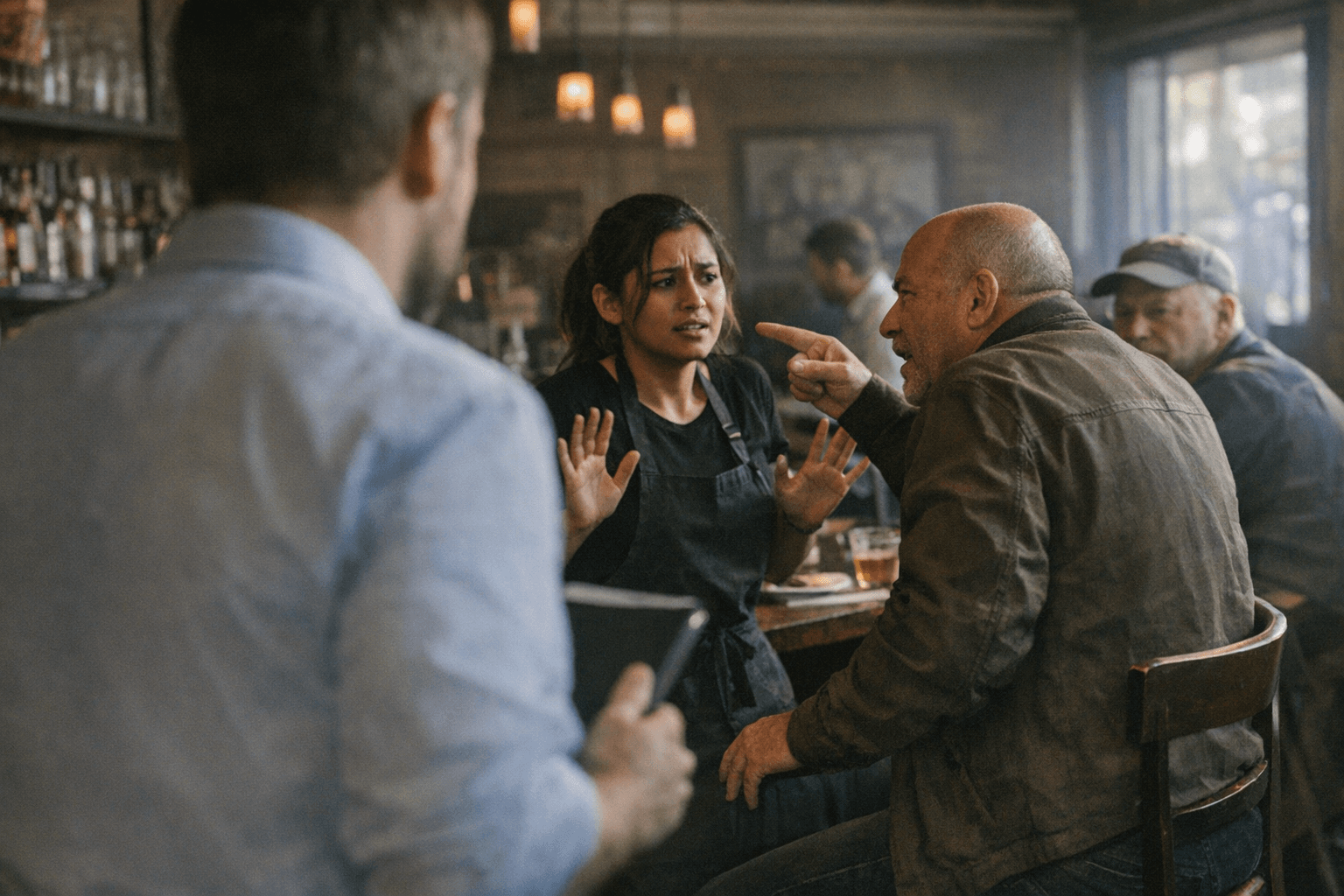
In a restaurant, harassment rarely arrives in a neat HR form. It shows up in a slur at the bar, a sexual comment during last call, a hand where it does not belong, or a guest who keeps escalating after a server has already tried to de-escalate. The EEOC’s harassment guidance matters because it answers the operational question front-of-house leaders face in real time: when do you step in, document, remove the guest, and protect the worker?
The answer is sooner than a lot of operators want to admit. Under EEOC guidance, harassment can come from a coworker, a supervisor, or even a customer. If management knew, or should have known, and failed to act promptly, the restaurant can be liable. That is not a theory issue for the service industry. It is a floor issue, a host stand issue, a bar issue, and a closing-shift issue.
What counts as harassment, and what does not
The EEOC draws a line between ordinary rudeness and unlawful conduct. Harassment must be based on a legally protected characteristic, including race, color, religion, sex, pregnancy, national origin, older age, disability, or genetic information. The agency also treats sexual orientation and transgender status as part of sex-based harassment protections.
That matters in restaurants because the work is so public. A guest can be cruel without crossing the legal line, but once the conduct is tied to a protected trait, it can become a serious workplace problem. The EEOC says harassment is unlawful when enduring it becomes a condition of continued employment or when the conduct is severe or pervasive enough to create an intimidating, hostile, or abusive work environment. Petty slights, annoyances, and isolated incidents generally are not enough unless they are extremely serious.
In practical terms, that means a manager cannot dismiss a pattern of offensive jokes, slurs, threatening behavior, sexualized comments, groping, or degrading images as just part of the business. The EEOC’s newer guidance also flags AI-generated and deepfake images and videos used to humiliate someone, a reminder that restaurant harassment is no longer limited to what happens face-to-face on the floor.
Why restaurant workers keep getting hit hardest
The restaurant industry has been a special concern in harassment discussions for years because its pay structure gives customers unusual leverage. In *The Glass Floor: Sexual Harassment in the Restaurant Industry*, Restaurant Opportunities Centers United and Forward Together said the industry employed nearly 11 million workers. Women made up 66% of tipped restaurant workers, and the report put the median wage for tipped workers at about $9 an hour including tips. Federal law still allows a sub-minimum wage of $2.13 per hour for tipped workers.
That wage reality helps explain why workers often absorb behavior they should never have to tolerate. When tips are part of rent money, workers may hesitate to complain about the table that is getting abusive, especially if the guest is a big spender or a regular. The same report surveyed current and former restaurant workers across 39 states, and the underlying message was blunt: in a tipped economy, silence can feel like survival.
A newer Snagajob-Black Box survey points in the same direction. It found 62% of restaurant workers experienced emotional abuse and disrespect from customers, and 49% said they experienced similar abuse from managers. That combination is what makes restaurant harassment so hard to manage. Workers are not just dealing with rude guests, they are often guessing whether leadership will back them up.
The customer is not exempt
One of the most useful parts of the EEOC guidance for restaurants is its plain statement that non-employees can trigger liability. A guest, vendor, delivery driver, or contractor can become part of the harassment problem if the restaurant knows, or should know, what is happening and fails to act.
For a server or bartender, that changes the meaning of a complaint. It is not a personality conflict to be smoothed over with a comp drink. It is a safety issue. If a guest has made sexual remarks to a host, touched a bartender, or kept directing racial or gender-based insults at staff, management may need to separate the worker from the table, warn the guest, document the incident, and remove the person if the behavior continues.
The point is not to overreact to every difficult diner. The point is to stop treating abuse as the price of hospitality. The EEOC and hospitality groups have both pushed prevention training and policies that make clear guests and customers are part of the harassment-prevention culture, not outside it.
What managers should do on the floor
The EEOC’s playbook is less about legal jargon than about habits. Its 2016 Select Task Force report, a yearlong review that included testimony from more than 30 witnesses, organized prevention around policy, training, and culture change rather than compliance alone. The agency has also said prevention is the best tool to eliminate harassment in the workplace.
For restaurant leaders, that means the response has to be fast and repeatable:
- Have a complaint process that workers can use during service, not just after a shift ends.
- Train managers to recognize protected-characteristic harassment, not just fights or intoxication.
- Document incidents the moment they happen, including who said what, who witnessed it, and how the restaurant responded.
- Empower supervisors to remove a guest when conduct crosses the line.
- Protect the worker’s section, schedule, and earning power after the complaint is made.
- Treat bystander intervention as part of the job, because harassment often unfolds in front of coworkers before anyone in charge steps in.
That last point matters in restaurants because the whole operation is built on speed and cover. Hosts are seating, servers are turning tables, bartenders are moving fast, and managers are often pulled in five directions at once. But the EEOC’s framework is clear: if the harassment is tied to a protected trait and the restaurant does not respond promptly, “we were busy” is not a defense.
Why so much still goes unreported
The biggest blind spot in restaurant harassment is not policy. It is reporting. The EEOC says harassment often goes unreported, and it cites a study finding that 90% of people who experience harassment never take formal action such as filing a complaint or charge. In other words, most of what workers endure never becomes a neat case file.
That silence shows up in the agency’s own numbers too. Between FY 2018 and FY 2021, the EEOC received 27,291 sexual harassment charges. The agency received 7,609 such charges in FY 2018 and 5,581 in FY 2021. It said the FY 2018 increase was 13.6% over FY 2017, and tied that rise to the broader visibility of the #MeToo movement.
For restaurants, the takeaway is straightforward. A written anti-harassment policy is not enough if a host, server, or line cook does not believe management will act when a guest gets out of line. The best prevention model is still the oldest one: train the floor, back up the worker, document the incident, and move fast. In a business built on service, the first duty of management is making sure service never requires someone to absorb abuse.
This article was produced by Prism’s automated news system from verified source data, official records, and press releases, then run through automated quality and moderation checks before publishing. The system is built and supervised by the people who set the standards it runs under. Read our full AI policy.
Did this article answer your question?