EEOC guidance helps restaurants handle religious accommodation requests
The EEOC’s religious-accommodation rules can keep a small scheduling change from becoming a costly restaurant dispute. The practical test is simple: act early, be specific, and do not treat faith as an inconvenience.
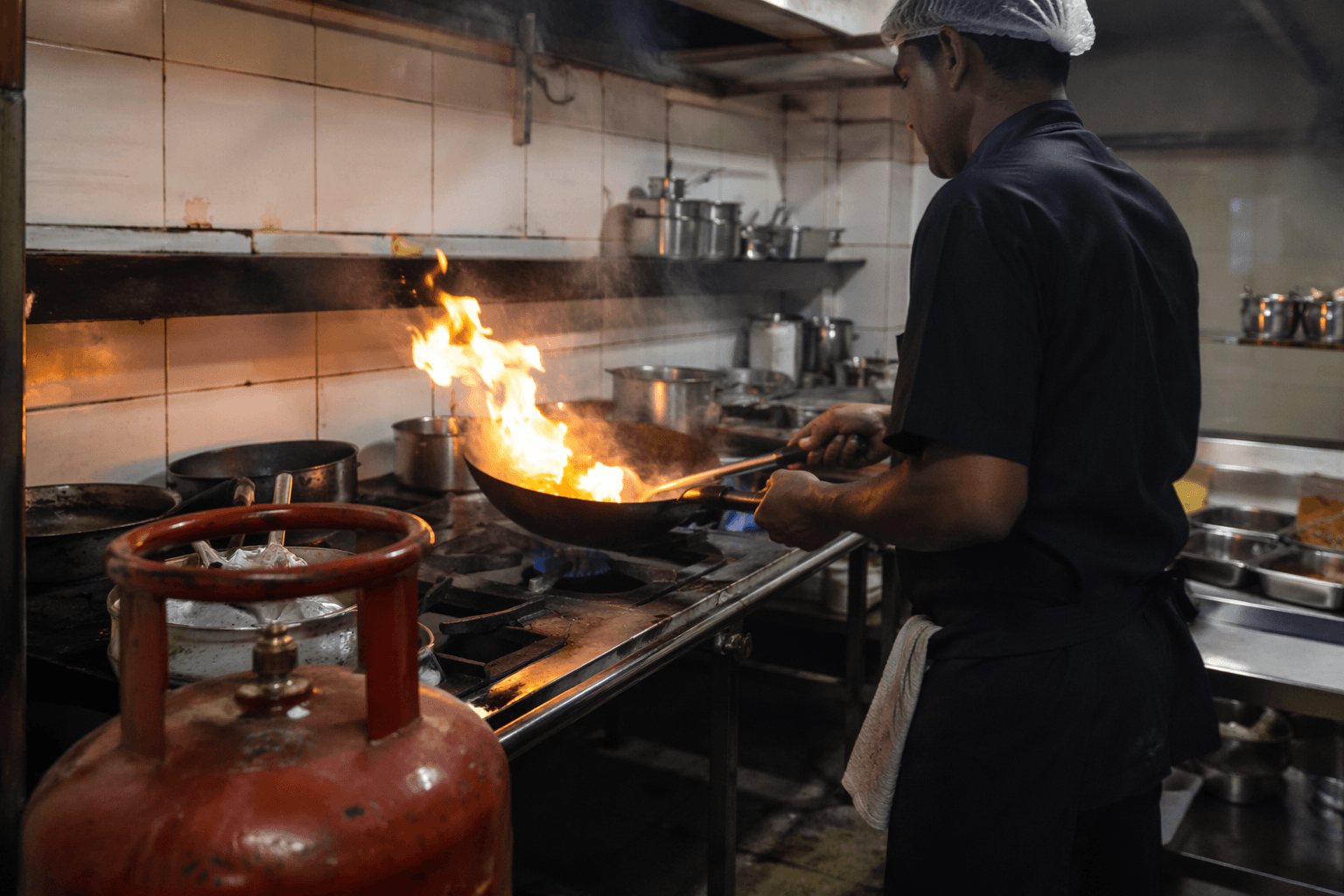
Sunday brunch, holiday service, pre-dawn prep, late closings, and split shifts can put a restaurant schedule on a collision course with a worker’s faith. EEOC guidance gives managers and workers a framework for handling those conflicts before they turn into discipline, retaliation claims, or a lost employee.
What the EEOC expects
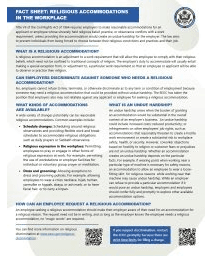
Federal law requires employers to reasonably accommodate sincerely held religious beliefs or practices unless doing so would create an undue hardship. After the Supreme Court’s 2023 decision in Groff v. DeJoy, an undue hardship must be a burden that is “substantial in the overall context of the employer’s business,” not just a minor cost or inconvenience.
Restaurants run on constant coverage. Common examples include schedule changes around Sabbath observance, flexible work and break schedules for daily prayer, dress-code exceptions, and permission to pray or engage in other forms of religious expression at work. In a dining room or open kitchen, that can mean a small shift swap, a prayer break between lunch and dinner rush, or a uniform adjustment that does not affect food safety or service.
What “reasonable” often looks like on the floor
The most workable accommodations are usually the least dramatic. A server who cannot work Friday sunset through Saturday night may be able to take different midweek shifts. A line cook who needs prayer time may only need a short, predictable break at a set point in the shift. A host or bartender who wears religious attire may only need a dress-code exception that preserves the restaurant’s appearance standards.
Restaurants already build around a lot of constraints, from school schedules to second jobs to burnout. Many food and beverage serving workers work early mornings, late evenings, weekends, and holidays, and part-time work is common. The Bureau of Labor Statistics counted 5,030,600 jobs in that group in 2024 and a median hourly wage of $14.92 in May 2024.
Where managers overstep
The common mistake is treating a religious request like a loyalty test instead of a workplace problem. An employee does not need to prove devotion to ask for a Sunday off, a prayer pause, or a modest dress-code change. The better question is whether another arrangement can keep the restaurant covered without imposing a substantial burden on the business.
Managers should ask what the employee needs, which parts of the schedule are flexible, and whether another arrangement would work without disrupting service. That is especially important in restaurants, where the pressure to fill every slot can lead to reflexive denials. A request becomes risky when the answer is simply no, with no real exploration of coverage, swaps, or minor adjustments that might solve the problem.
What workers should do first
Workers usually help themselves by raising the issue early and being specific. A vague complaint about “religious reasons” is harder to solve than a clear ask: a different shift pattern, a short prayer break, or an exception to a dress rule. The more concrete the request, the easier it is for a manager to test alternatives against the schedule, the service line, and the rest of the staff.
It also helps to suggest workable options. If Sunday mornings are out, name the shifts that can work. If a prayer break is needed, identify the time window. If a head covering or other attire needs to be allowed, explain the exact change you need.
What recent EEOC cases show
The agency’s enforcement record shows these disputes are not theoretical. In May 2023, the EEOC sued a Charlotte IHOP operator, alleging that a cook was required to work Sundays despite a granted religious accommodation and was then fired after objecting. The agency also alleged hostile comments about religion. The case later settled in August 2024 for $40,000 and required annual manager training, notice posting, and revised policies at all 17 North Carolina IHOP locations operated by Suncakes, LLC and Suncakes NC, LLC.
In September 2025, P.F. Chang’s China Bistro, Inc. agreed to pay $80,000 after a job applicant alleged he was not hired because he requested Sundays off for religious reasons. That settlement also called for policy revisions and training. Across the cases, the agency sought the same operational fixes: manager training, notice posting, and updated policies.
A separate EEOC case against Chipotle Services, Inc. involved a hijab-wearing Muslim teenager in Lenexa, Kansas. The EEOC alleged religious harassment, retaliation, and constructive discharge. Accommodation issues do not stop at scheduling. Religious expression can become a front-of-house or back-of-house conflict when coworkers or supervisors turn clothing, prayer, or observance into a target.
How to handle requests before they escalate
The best restaurant practice is the simplest one: treat the request as an operational adjustment, not a moral debate. Start by identifying the exact conflict, then test whether a swap, staggered break, revised station assignment, or narrow dress-code exception can solve it. If the accommodation would truly break service or create a substantial burden in the overall context of the business, document why and keep the explanation tied to staffing, coverage, and actual business impact.
For workers, the same discipline helps. Say what observance conflicts with the schedule, say what change would solve it, and say it early. That approach gives managers a real chance to fix the problem before a Sunday shift, a prayer break, or a uniform issue turns into a discipline meeting or a charge with the EEOC.
This article was produced by Prism’s automated news system from verified source data, official records, and press releases, then run through automated quality and moderation checks before publishing. The system is built and supervised by the people who set the standards it runs under. Read our full AI policy.
Did this article answer your question?