Everytable expands with commissary model, shifts restaurant work behind the scenes
Everytable’s commissary-first growth moves cooking off site, shifting store jobs toward prep, packing and inventory work while narrowing the old kitchen ladder into management.
Everytable’s expansion is changing what restaurant work looks like at the store level. The Los Angeles chain opened its first location in 2016, but its next phase is being built less around a full kitchen in each unit and more around a central commissary that prepares food, packs it and sends it out daily.
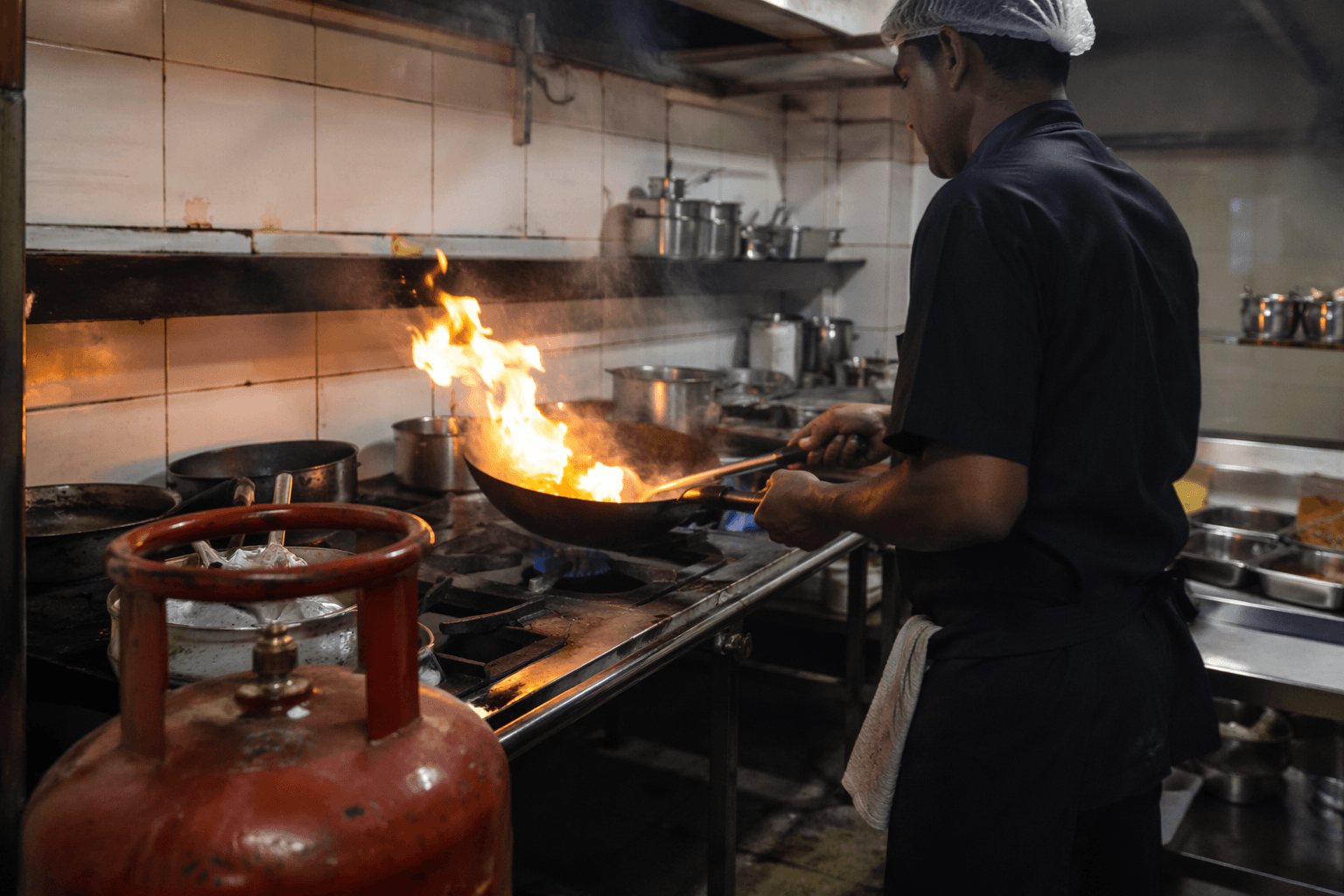
That matters for workers because it rewrites the job mix. In a traditional restaurant, a line cook can move from prep to the grill, then into lead cook or kitchen manager roles by learning an on-site scratch kitchen. At Everytable, the most valuable skills are shifting toward prep, packaging, logistics, inventory control and steady execution on the sales floor. Fewer store-level cooking stations can mean fewer classic line-cook tasks in some locations, while more of the hands-on food work moves into production and distribution jobs outside the storefront.
Founder Sam Polk has framed that structure as the efficiency behind the brand’s lower prices. Everytable says its meals are priced by neighborhood income, with lower prices in lower-income areas and higher prices in wealthier ones, a model that has drawn attention for trying to meet customers where they live while keeping the business viable. The company has said it has raised more than $100 million since 2016 to support that mission, a reminder of how much capital it has taken to make the economics work.

The labor implications stretch beyond the kitchen. Everytable said it introduced its Social Equity Franchise program in 2021 to help entrepreneurs from underserved communities move faster toward owning multiple locations. In 2026, it began inviting traditional franchisees as well, as the company pushed past the 40-unit mark and looked to grow again. That kind of expansion can create more openings in operations, logistics and site leadership, but it can also compress the familiar restaurant career path where a cook learns the trade inside one kitchen and climbs from there.
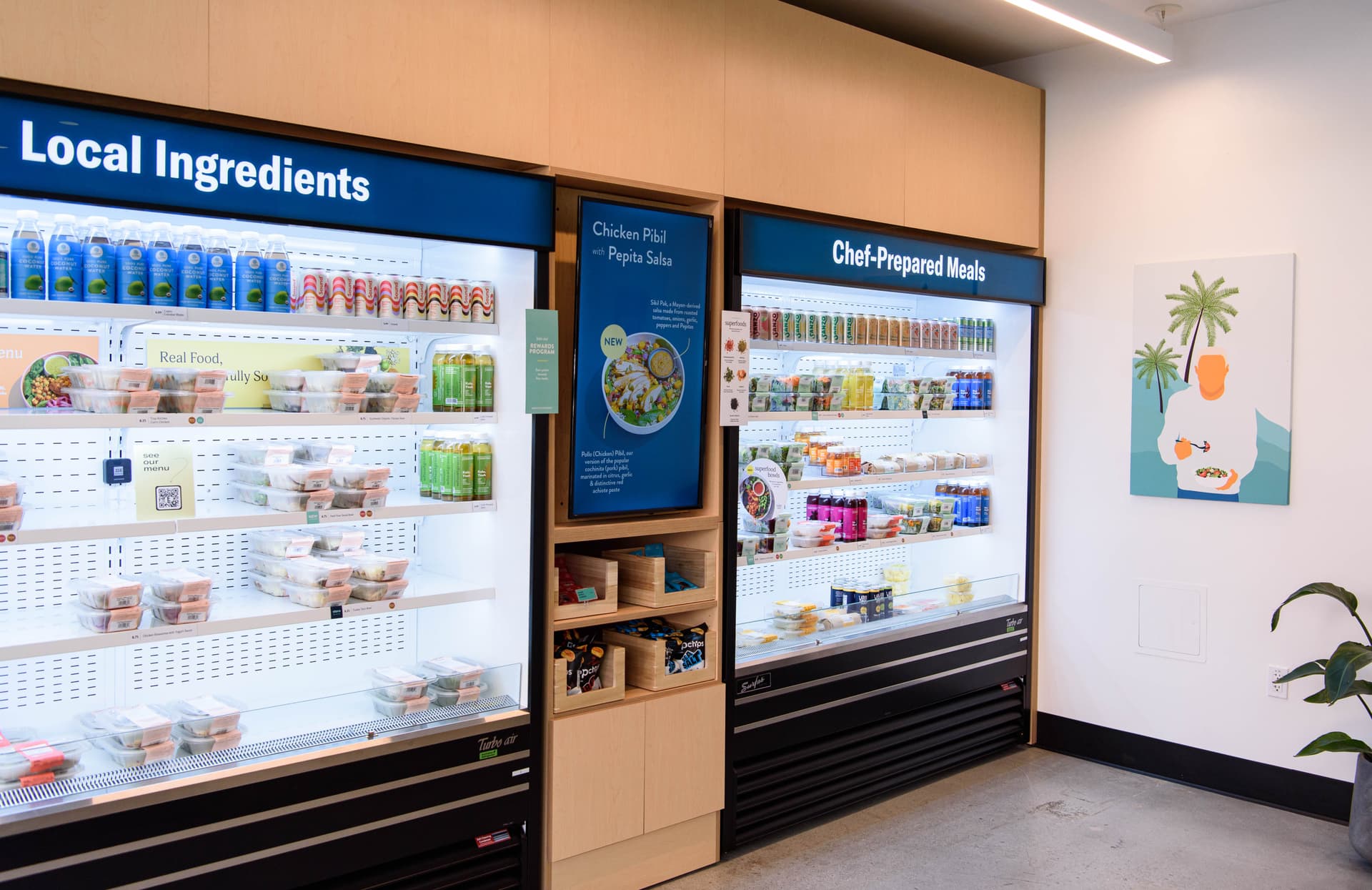
Everytable has also moved beyond storefronts into SmartFridges stocked from the commissary and into institutional foodservice, including meals for low-income seniors and people in temporary shelters. The company’s growth shows how a restaurant can scale without expanding the number of full kitchens on the sales floor. For workers, that means the next promotion may be less about mastering a saute station and more about controlling production, moving product and coordinating a system that runs far beyond one dining room.
This article was produced by Prism’s automated news system from verified source data, official records, and press releases, then run through automated quality and moderation checks before publishing. The system is built and supervised by the people who set the standards it runs under. Read our full AI policy.
Did this article answer your question?