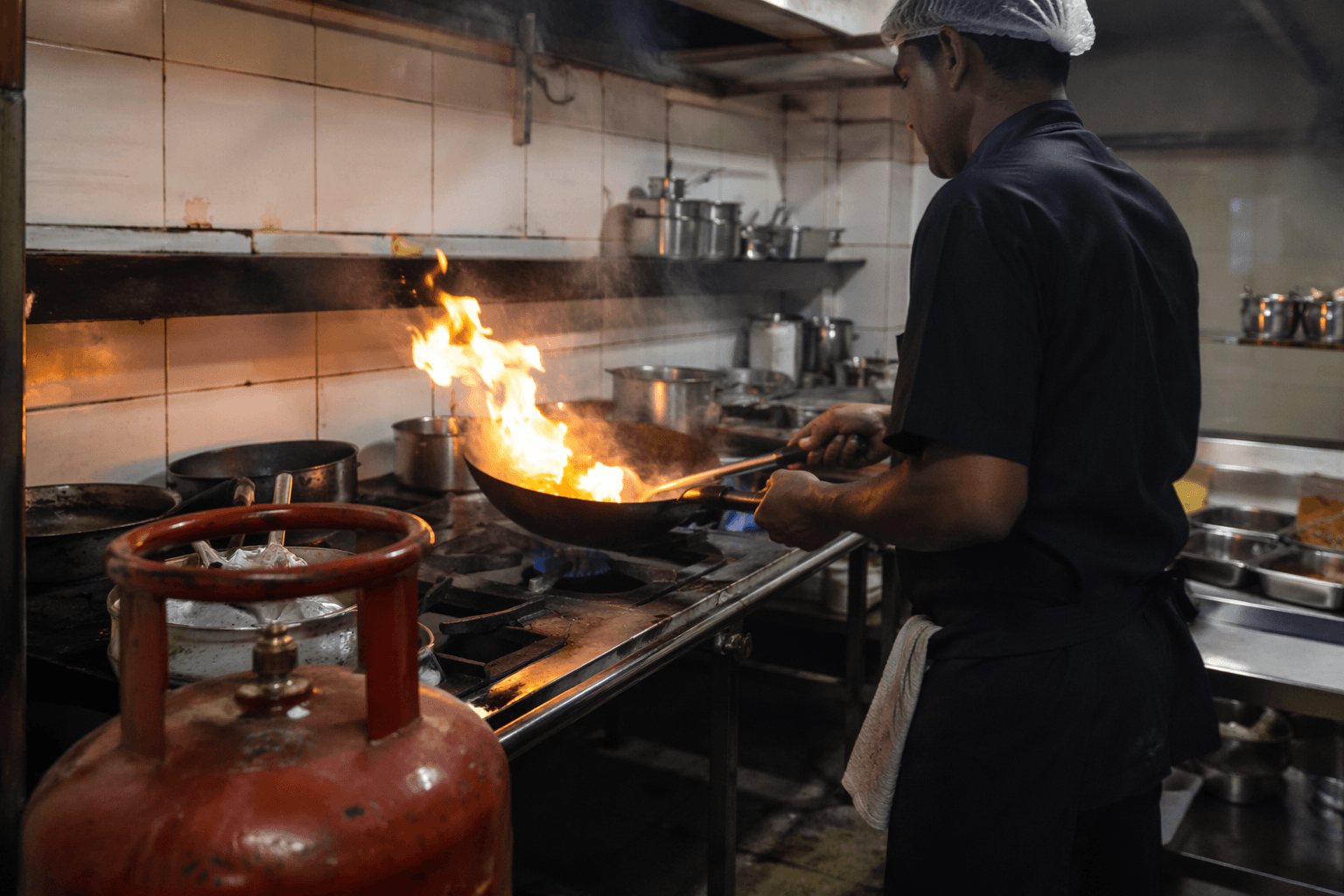
Experienced chefs leave restaurant kitchens for better hours and pay
The chef exit is reshaping the kitchen deal: better hours and steadier pay are drawing cooks out, while restaurants lose mentorship, consistency, and their training pipeline.
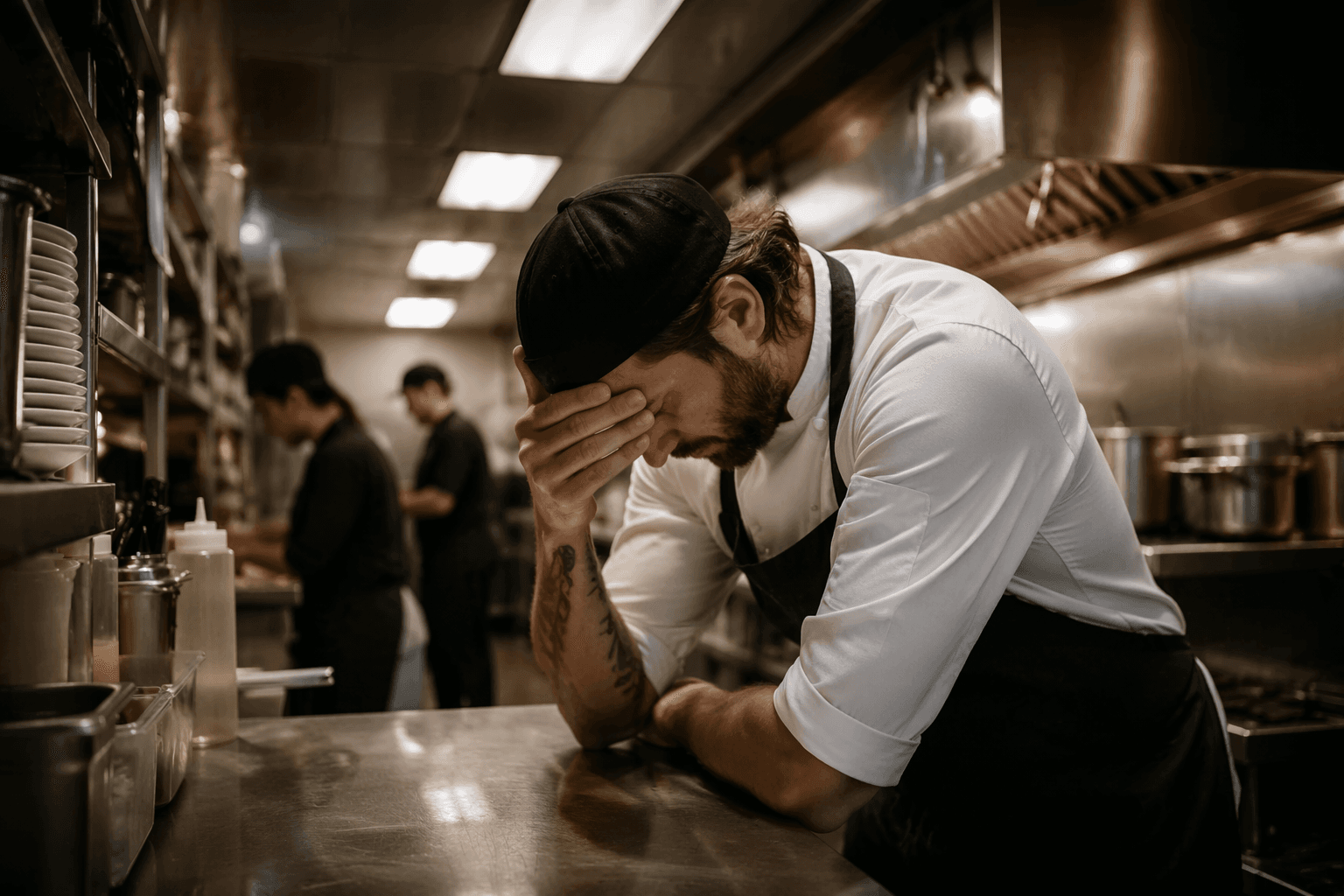
Dave Metz oversees a network of chefs for Resident, a hospitality-adjacent company that hosts private and ticketed dinners in fully equipped spaces. Experienced chefs are leaving because the old bargain, long hours, unstable schedules, and a life built around the dinner rush, no longer looks worth it when the same skills can buy better hours, more control, and a cleaner line between work and home.
The chef job is being remade
The most important shift is that culinary talent is no longer locked inside the traditional restaurant kitchen. Chefs are moving into consulting, private chef work, recipe development, and jobs in corporate dining, college dining, health care, and senior living. Those roles can offer the things restaurant kitchens have often promised but rarely delivered consistently: predictable shifts, steadier income, and a better quality of life.
At Resident, the job still depends on cooking at a high level, but it is packaged differently: less chaos, more control, and often less emotional strain than a high-volume line.
What chefs gain when they leave the line
The appeal is not just fewer late nights. Adjacent jobs can make it easier to plan child care, sleep on a normal schedule, and know when a weekend is actually a weekend. That matters in a profession where the default has long been to absorb every holiday, dinner service, and last-minute staffing problem as part of the job.
Pay is part of the calculation too. Restaurant jobs often force workers to weigh base wage, tip volatility, and unpredictable hours against the chance of a steadier paycheck elsewhere. In non-restaurant settings, chefs may trade the adrenaline of the line for a more stable compensation structure, and that can be enough to pull experienced people out of restaurants entirely.
There is also a psychological shift. Many chefs do not see the move as a retreat from food; they see it as an escape from a model that has treated burnout as proof of commitment.
What restaurants lose when experienced chefs go
When seasoned chefs leave, restaurants do not just lose hands on the stove. They lose the people who teach younger cooks how to survive and advance: how to hold line discipline, keep prep standards tight, and manage the pace of service without falling apart.
The loss also hits consistency. Experienced chefs are often the ones who stabilize a kitchen’s quality from one service to the next, catch problems before they hit the pass, and help newer staff build habits that last beyond a single job. Without them, restaurants can end up with more turnover, more mistakes, and a thinner bench when a sous chef or chef de cuisine moves on.
If young cooks cannot learn those skills in-house, the pipeline weakens. Restaurants then have to recruit more aggressively, train from scratch more often, and absorb the cost of churn while trying to keep food and labor costs under control.
The pandemic changed what chefs think is possible
The pandemic did more than disrupt dining rooms. It made flexible, hybrid, and independent work models more visible to people who had spent years inside restaurants. Once chefs saw peers building careers outside the traditional kitchen, the idea of leaving stopped sounding like failure and started sounding like strategy.
That change still shapes the labor market now. Chefs who want options have more of them, and restaurants no longer compete only with other restaurants. They compete with employers that can offer regular schedules and clearer boundaries between job and home.
What this means for cooks still in restaurants
Restaurants have to sell more than passion and pressure. Work-life balance is no longer a perk to be mentioned after the job description. It is part of the offer itself, especially when adjacent jobs are advertising the exact thing kitchens struggle to provide.
That does not mean every chef should leave. It does mean the old idea that staying in restaurants is the only serious path for ambitious cooks is losing force. Moving into consulting, private dining, institutional food service, or another culinary role can be a rational career decision.
If the most experienced people keep exiting for jobs with better hours and clearer pay, the restaurant has to work harder to make the kitchen worth staying in. That means treating schedule stability, compensation, and burnout as operational issues, not soft benefits.
This article was produced by Prism’s automated news system from verified source data, official records, and press releases, then run through automated quality and moderation checks before publishing. The system is built and supervised by the people who set the standards it runs under. Read our full AI policy.
Did this article answer your question?