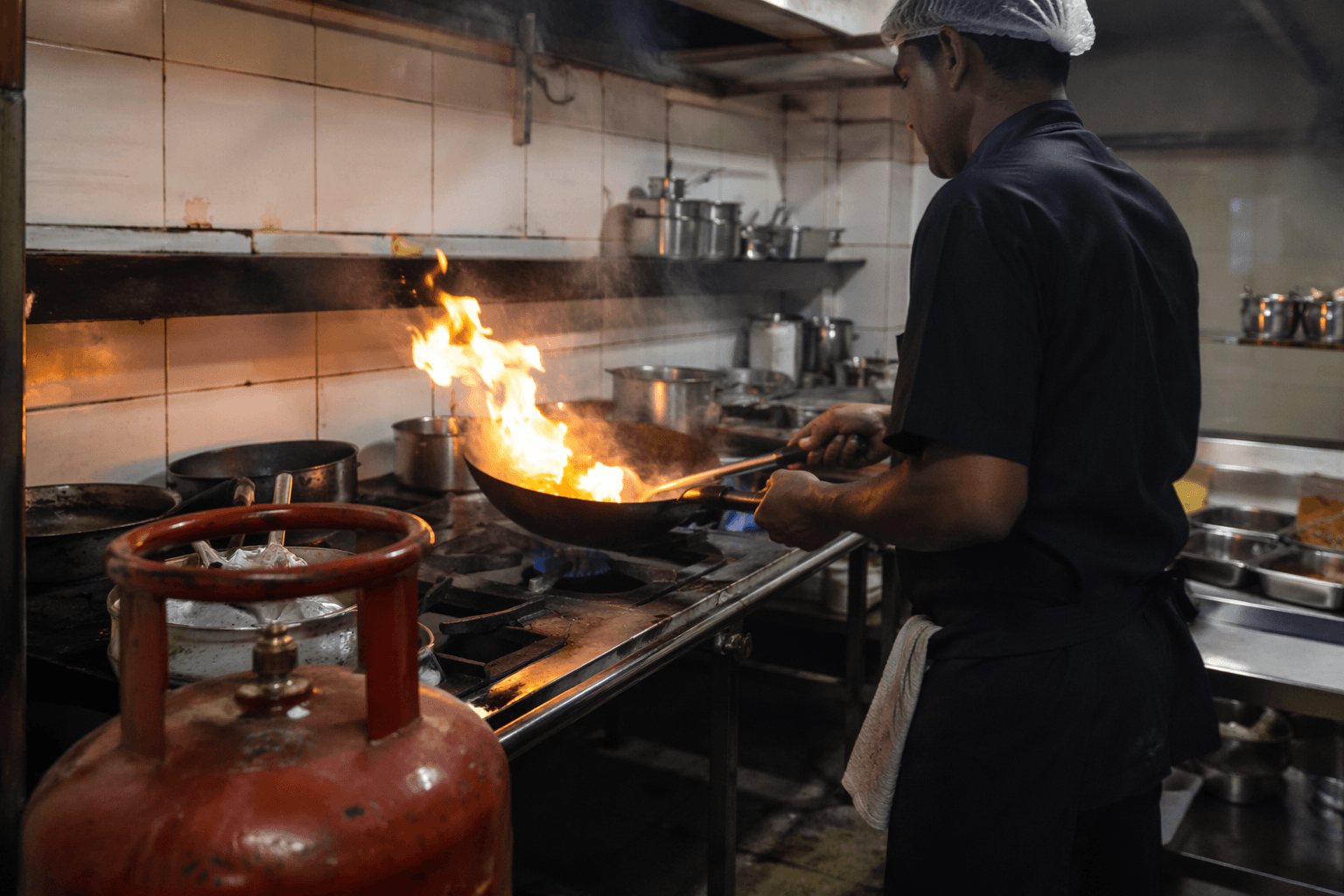
FDA Food Code shapes restaurant safety rules across the U.S.
The Food Code is the quiet rulebook behind handwashing, holding temps, and allergen calls that can protect workers from bad inspections and worse outbreaks.
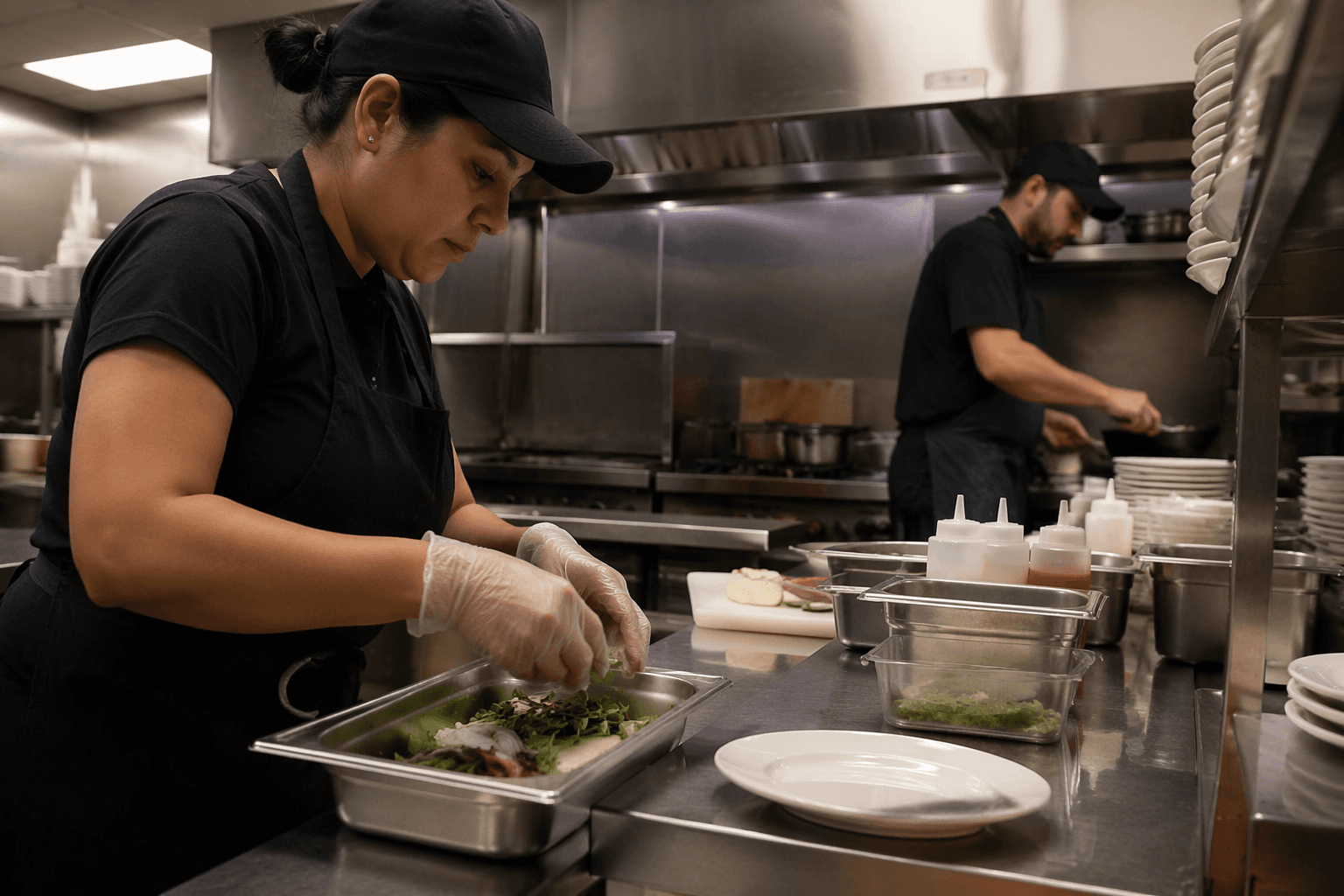
The Food Code is not a federal law, but in restaurant life it can feel like one. It is the model that state and local agencies use to regulate food service, and the daily tasks it shapes are the ones line cooks, servers, and managers know by muscle memory: handwashing, cooling, hot holding, date marking, and keeping food from crossing paths. For hourly workers, learning that system is not just about staying out of trouble. It is about protecting the shift, the inspection score, and the next promotion.
What the Food Code actually does on a restaurant floor
FDA describes the Food Code as scientifically sound guidance for retail food and food service operations, including restaurants, grocery stores, and institutions. It is meant to be a uniform set of food-safety rules, but it is still a model code, which means state, territorial, tribal, and local jurisdictions decide how and when to adopt it. That matters because the rulebook in one city may not match the one across town, and a shortcut that passes in one kitchen can be a violation in another.
That variability is exactly why experienced managers treat the Food Code like an operating manual. If you understand the rules inspectors are using, you can explain why a cooler has to be organized a certain way, why raw chicken belongs where it belongs, and why a sauce cannot just sit out because the dinner rush is unforgiving. In a business built on speed, the Food Code is the thing that keeps speed from turning into a violation.
The daily decisions that matter most
The biggest Food Code issues are often the least glamorous ones. They are the habits that happen between tickets, during prep, and at the end of the night when everyone wants to cut corners.
- Handwashing: CDC says hand contamination from food workers is a common cause of restaurant outbreaks and accounts for nine of ten outbreaks in which food was contaminated by food workers. In CDC observations, workers washed their hands when they should about one in three times, did about nine activities an hour when they should have washed, but actually washed only about two to three times an hour. Only 1 in 4 washed after preparing raw animal products or handling dirty equipment.
- Temperature control: For line cooks and prep staff, the Food Code is the reason a sauce has to be reheated and held at the correct temperature, and why cold food has to stay cold. These are not back-of-house preferences. They are the core controls that keep bacteria from getting a head start during a busy shift.
- Cross-contamination prevention: The Code shapes how you store raw proteins, how you move gloves and utensils, and how you keep contaminated items from touching ready-to-eat food. If the line gets tight, this is where bad habits spread fastest.
- Date marking and cooling: These rules often decide whether a pan gets saved or tossed. They also protect kitchens from relying on memory when a shift leader changes, the staff is short, or the prep list rolls over into the next day.
- Sick policies: Food safety depends on people staying home or being reassigned when they are sick. That can be hard in restaurants with thin staffing and high turnover, but the Food Code makes sickness a food-safety issue, not just a scheduling inconvenience.
Why inspectors, managers, and promotions all care about it
The Food Code is a workplace language. Managers use it as the baseline for evaluating whether a kitchen is operating safely, and inspectors use it to decide whether the operation is under control. If you can talk through a hand sink issue, explain cooling steps, or identify an allergen risk without needing a supervisor to translate, you look like someone who can be trusted with more responsibility.
That is one reason the Code matters for advancement. A cook who understands sanitation policies is easier to train into lead or shift roles. A server who knows how allergy communication works is less likely to create a dangerous mistake during service. A host who understands clean tableware and safe service practices can help protect guests before a plate ever leaves the pass.
The handwashing problem is not theoretical
CDC estimates that about 1 in 6 Americans, or roughly 48 million people, get sick from foodborne disease each year. That includes about 128,000 hospitalizations and 3,000 deaths, with an estimated annual cost of $17.6 billion. CDC also says more than half of U.S. foodborne illness outbreaks are associated with restaurants, delis, banquet facilities, schools, and other institutions.
That is the part workers feel on the ground. One bad prep habit can become an outbreak, a health department visit, a write-up, or a closure that wipes out tips, hours, and morale. Handwashing is not a side issue in this industry. It is one of the most direct ways a worker protects the whole house.
Allergens are now part of the shift checklist
Food Code rules also reach into the front of the house. FDA added sesame as the 9th major food allergen, effective January 1, 2023, after the Food Allergy Safety, Treatment, Education, and Research Act changed the baseline. The major food allergens are milk, egg, fish, Crustacean shellfish, tree nuts, wheat, peanuts, soybeans, and sesame.
In jurisdictions that adopt the 2022 Food Code, unpackaged foods served or sold to consumers must have written notification of major food allergens. Bulk self-dispensing foods must be prominently labeled with the food sources of major allergens, unless that source is already part of the common or usual name. For servers and hosts, that means allergy communication is not optional hospitality theater. It is a safety duty that can determine whether a guest eats safely or whether a restaurant ends up in crisis mode.
There is also a messy transition issue workers should know: some pre-2023 packaged products without sesame labeling can still legally remain in the marketplace because they were packaged before the effective date. That kind of detail is exactly why front-of-house and back-of-house need a shared script when allergy questions come up.
What changed in the 2022 Food Code
The 2022 edition marked 30 years of the Food Code in its current format and is the 10th edition. FDA says the Code was issued every two years between 1993 and 2001, then moved to a four-year cycle beginning with the 2005 edition. The most recent version is dated January 18, 2023, and the edition reflects input from regulatory officials, industry, academia, and consumers through the Conference for Food Protection.
That process matters because it shows the Code is not just a government memo dropped on restaurants from above. It is shaped through a stakeholder system that tries to keep the rules risk-based and science-based. For workers, that helps explain why some safety requirements feel so specific: they are built from the problems that keep showing up in real kitchens.
Two new issues workers may notice more often
The 2022 Food Code also specifically addresses food donations for the first time. FDA says food that is stored, prepared, packaged, displayed, and labeled according to Food Code safety provisions can be donated. That change lines up with the Biden-Harris Administration’s National Strategy on Hunger, Nutrition, and Health, which aims to reduce hunger and diet-related disease by 2030.
For restaurant staff, that can mean a sharper line between what gets discarded and what can be safely passed along. It also means the same safety systems that protect diners inside the restaurant can help determine whether surplus food leaves the building legally and safely.
The other tool managers should know is FDA’s Food Code Reference System, a searchable database of interpretive positions and answers to Food Code questions. When a rule is unclear on the floor, that reference system is part of how operators and inspectors resolve the question before it turns into a citation.
The bottom line is simple: the Food Code is not abstract policy. It is the reason one worker washes hands, another checks a holding temp, a server flags an allergy, and a manager organizes the cooler before service. In an industry where staffing is tight and burnout is common, the people who know the rulebook are the ones most likely to protect both the guest and their own next shift.
This article was produced by Prism’s automated news system from verified source data, official records, and press releases, then run through automated quality and moderation checks before publishing. The system is built and supervised by the people who set the standards it runs under. Read our full AI policy.
Did this article answer your question?