FDA guidance highlights allergen cross-contact risks in restaurants
FDA guidance makes allergen control a workflow issue, not a menu note, because cross-contact can happen through shared tools, surfaces, or bad handoffs.
Food allergies become a restaurant problem the moment a ticket hits the line. The FDA’s guidance makes the basic point clearly: the risk is not only what gets added on purpose, but what moves from one dish to another through shared equipment, surfaces, or sloppy handling. In a busy kitchen, that turns allergen awareness into a daily system, with cooks, servers, hosts, and managers each responsible for a different part of the handoff.
Cross-contact starts before the plate
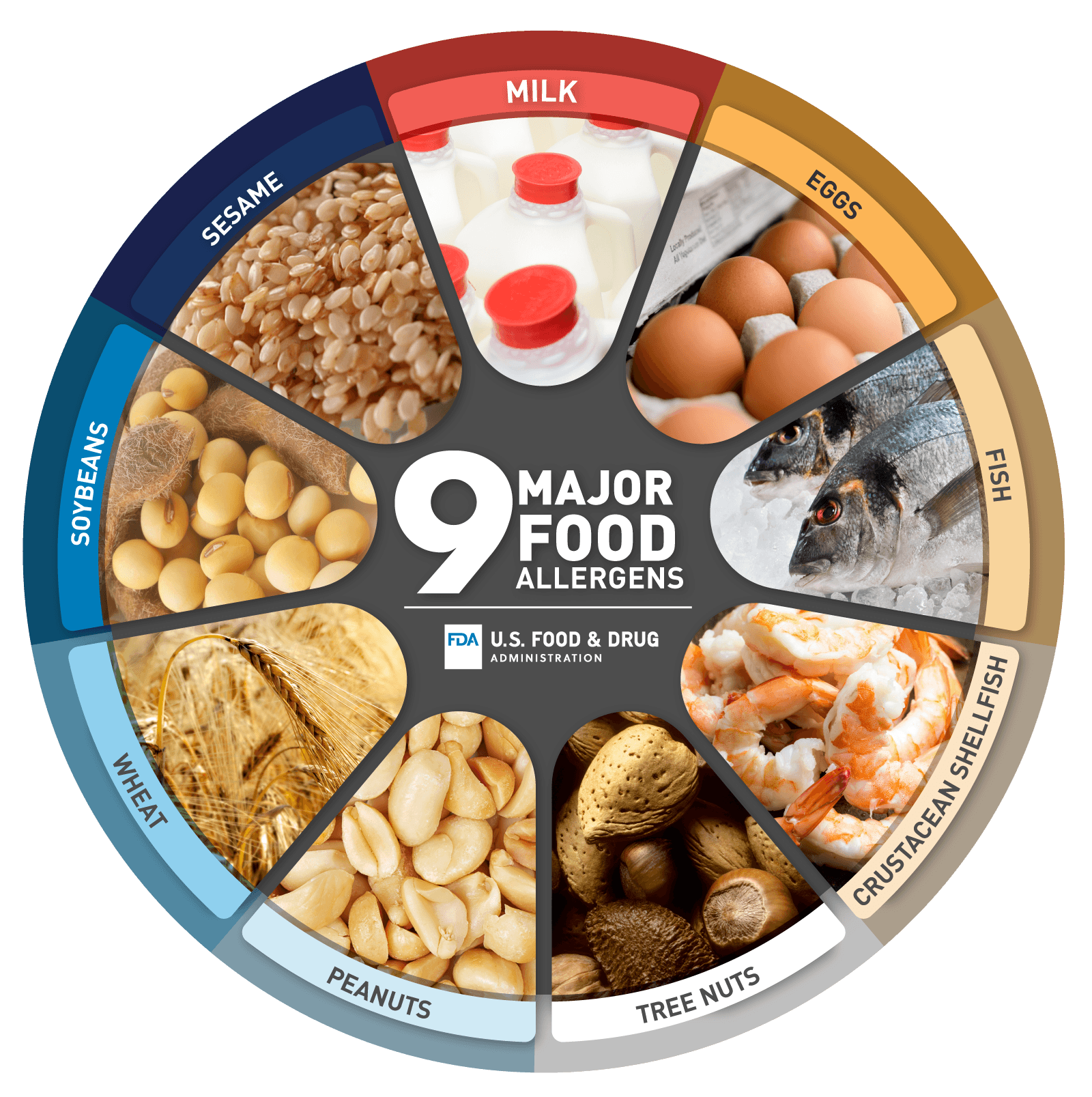
The FDA’s food-allergy materials cover major allergen labeling requirements and related questions around tree nuts, sesame, milk, eggs, incidental additives, and highly refined oils. That matters in restaurants because the same ingredient that is obvious on a spec sheet can still show up in a sauce, garnish, batter, or oil that staff treat as routine. When a kitchen does not know exactly what is in each component, it also does not know where the risk begins.
For line cooks and prep teams, the safest approach is to treat an allergen order as its own workflow, not as a note to work around at the end. That means checking ingredients before the rush, confirming what is in house-made sauces and grab-and-go items, and understanding that a label problem and a cross-contact problem can overlap. A kitchen that knows the ingredients but ignores the tools is still exposed.
Prep is where the mistake gets baked in
Most allergen problems do not start with the final garnish, they start at prep tables, cutting boards, mixers, fryers, and storage bins. The FDA’s guidance on cross-contact prevention points to the kind of everyday contact that restaurant workers already know can travel fast: a knife used on one ingredient and then another, a surface wiped in a hurry, a container dipped into with the wrong utensil. Those small shortcuts are exactly how an allergen reaches a dish without anyone intending it to.
That is why allergen orders need clear communication before prep begins. If a cook has to guess whether a sauce contains milk or whether a garnish has touched a shared container, the system has already failed. The work is not just about avoiding a single ingredient. It is about knowing where allergens can hide and preventing them from moving through the kitchen in the first place.
Line service needs a hard handoff, not a hope
On the line, the problem gets sharper because timing pressure encourages improvisation. A server passes along an allergy note, a expo relays it, a cook tries to keep pace with the rest of the tickets, and one distracted moment can undo the whole chain. The FDA guidance is useful here because it frames cross-contact as a process failure, not a customer preference issue, which is how restaurant workers should treat it too.
That means allergy orders should not be buried in the middle of a stacked rail with no special attention. They need a clear internal signal, a clean plating area, and tools that have not been used on unrelated items. If the kitchen has a standard system, the line can move faster without making the guest pay for speed with their health.
Storage and labeling have to match the line reality
Restaurants that sell packaged items, house-made sauces, or grab-and-go products face an added layer of risk because labeling rules and cross-contact risk can overlap. A sauce that seems harmless in a squeeze bottle becomes a documentation problem if staff cannot identify every ingredient in it. A grab-and-go item becomes more than a convenience item if the kitchen cannot trace what touched it during prep, packing, or storage.
This is where back-of-house discipline protects front-of-house trust. Ingredients need to be stored in ways that reduce mix-ups, and staff need to know enough about the major allergens to answer the basic question: what is in this item, and what could it have touched before it left the kitchen? If a restaurant cannot answer that fast and confidently, it is not ready to treat allergy service as routine.
Servers and hosts are part of the safety system
The front door is often where the warning appears first. A guest tells a host about an allergy, a server hears it at the table, or both hear it and assume someone else will handle the rest. The FDA’s guidance puts real weight on that moment because the way the warning is passed into the kitchen can determine whether service feels safe or chaotic.
That means front-of-house staff need more than politeness. They need a clear path to escalate an allergy note, and managers need to back them up when the kitchen asks for more detail or a pause in service. In a restaurant culture that often rewards speed and flexibility, allergy handling requires the opposite: precise communication, a standard response, and no hesitation when the guest’s warning reaches the door.
Managers set the credibility standard
A kitchen can only prevent cross-contact if management treats it as a standard operating issue, not a case-by-case favor. The FDA materials make it plain that food-allergy guidance is about more than labeling, because the same discipline applies to the way staff handle ingredients, tools, surfaces, and guest communication. That means managers have to build the process, train the staff, and make sure people can actually follow it under pressure.
For workers, that backing matters. A cook who is rushed into using the wrong station, or a server who is told not to “make a big deal” out of an allergy note, is being put in a position where a single mistake can become a medical emergency. In that sense, allergy awareness is not a soft skill or a customer-service bonus. It is part of basic professionalism, and restaurants that treat it that way protect diners, staff credibility, and the daily rhythm of the whole operation.
What a workable restaurant system looks like
- verify ingredients before prep begins
- keep allergen orders visibly separate in the kitchen
- use clean tools and clean surfaces for allergy meals
- train front-of-house staff to escalate warnings immediately
- keep packaged items, sauces, and grab-and-go products labeled and traceable
- make managers responsible for the handoff when there is any doubt
The restaurants that handle allergy orders best do not rely on heroics. They build habits that reduce cross-contact at every stage:
That kind of system does more than prevent one bad ticket. It gives cooks and servers a way to do their jobs without guessing, and it gives guests a reason to believe the restaurant understands the risk it is asking them to trust. In a business where one missed detail can spread across the whole shift, cross-contact prevention is the difference between a normal service and a crisis.
This article was produced by Prism’s automated news system from verified source data, official records, and press releases, then run through automated quality and moderation checks before publishing. The system is built and supervised by the people who set the standards it runs under. Read our full AI policy.
Did this article answer your question?