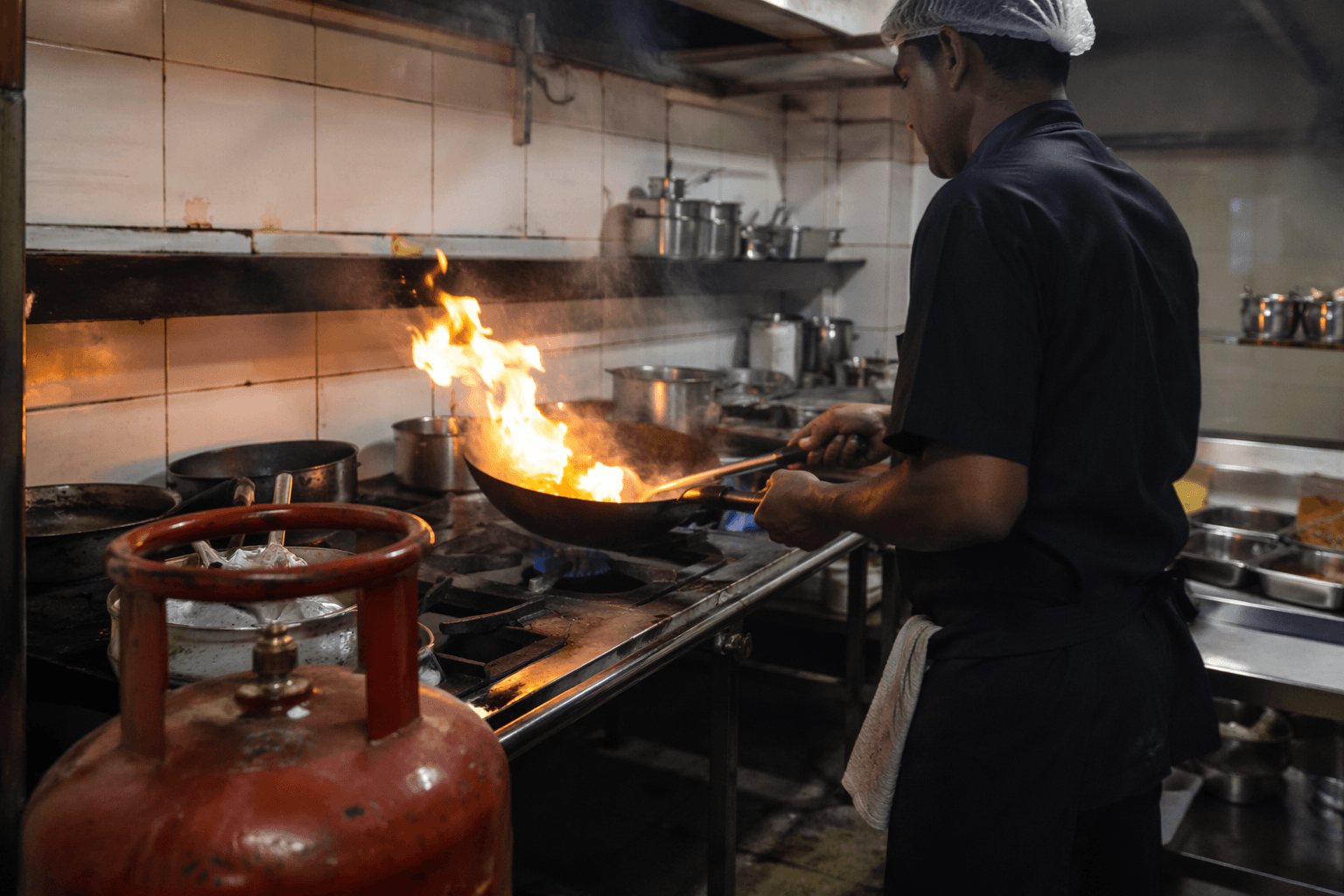
FDA handbook helps restaurants prevent foodborne illness through hygiene basics
One sick shift can become an outbreak. The FDA handbook gives restaurants a plain-English playbook for sending workers home and stopping cross-contamination.
One sick line cook can turn into a roomful of missed shifts, angry guests, and a reportable outbreak. CDC retail-food data tied 800 foodborne illness outbreaks to 875 retail food establishments during 2017 to 2019, and norovirus accounted for 47.0% of outbreaks with a confirmed or suspected agent, with Salmonella at 18.6%. That is why the FDA’s Employee Health and Personal Hygiene Handbook matters on the floor, not just in the office.
A handbook built for the shift, not just compliance
The U.S. Food and Drug Administration designed this handbook to be usable by both management and food employees, which makes it more practical than the kind of policy binder that lives in a desk drawer. It is written in a question-and-answer format and includes easy-reference forms and tables that restaurants and the public health community can use when training staff and handling employee health and hygiene issues.
That structure matters in real restaurant work because the most difficult calls are rarely abstract. A host with a fever, a prep cook with diarrhea, or a server who keeps pushing through vomiting symptoms can create confusion fast, especially when the dining room is packed and the kitchen is already short-handed. The handbook first came out in March 2017, got an updated version on October 7, 2020, and the online page says the content is current as of March 7, 2022.
When a worker should be sent home
The clearest message from the Centers for Disease Control and Prevention is simple: food workers should stay home when sick. In the case of norovirus, CDC says workers should remain out of work for at least 48 hours after symptoms stop, because that virus spreads easily and can move through a kitchen or service floor before anyone realizes how many people were exposed.
That is where restaurant managers tend to get stuck. The CDC says managers need to know when workers are sick to prevent foodborne illness, and it also says HIPAA and the ADA do not stop those conversations. In practice, that means asking direct questions about symptoms like vomiting, diarrhea, fever, and other health issues that can affect food safety is part of the job, not a violation of it.
The FDA handbook backs that up with decision trees, conditional-employee interview forms, reporting agreements, and medical referral forms that help managers decide when to exclude or restrict a worker. Those tools are especially useful when a shift leader is trying to balance labor coverage against guest safety, because the wrong guess can lead to cross-contamination, coworker exposure, and a conflict that lasts long after service ends.
Why hygiene basics are a labor issue too
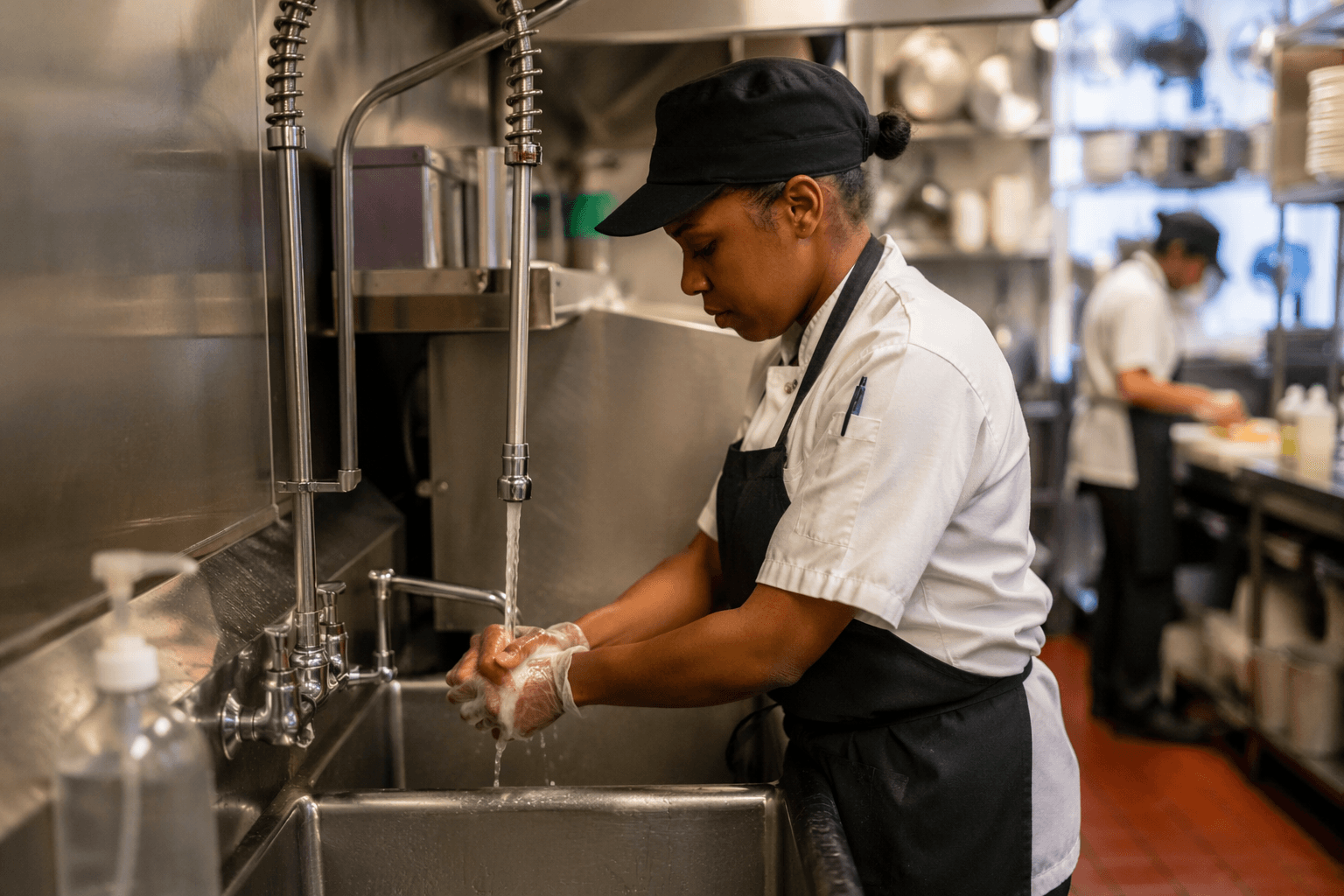
The handbook is not only about illness screening. It also focuses on the basics that keep bacteria and viruses from moving around a restaurant in the first place, including handwashing, glove use, and personal cleanliness. FDA says the guide is meant to help prevent the spread of foodborne pathogens such as Salmonella and norovirus, which are exactly the kinds of germs that can spread through rushed prep, sloppy hand hygiene, or a sick employee who keeps working.
That is also why the broader public-health numbers matter to anyone on a line, in a dining room, or behind a bar. CDC says more than half of all U.S. outbreaks of foodborne illness are associated with restaurants, delis, banquet facilities, schools, and other institutions. For restaurant workers, that means a bad handwashing habit or a missed symptom report does not stay a private issue for long. It becomes a guest-safety problem, a staffing problem, and often a management problem too.
In a business built on speed, hygiene can look like one more interruption. In reality, it is what keeps a bad night from becoming a shutdown, a health department problem, or a sickout that hits the next shift.
What a workable sick policy looks like on the floor
The handbook is useful because it gives managers a common language for a messy part of the job. A clear policy should tell workers how to report symptoms, who to tell, and what happens next if they are sent home or restricted from food-contact work. It should also make it obvious that coming in sick is not a badge of toughness, because the cost gets paid by coworkers, guests, and the business.
A shift-ready policy usually needs a few pieces working together:
- A clear symptom-reporting process before prep starts or a rush begins.
- A fast decision about whether the worker is excluded, restricted, or allowed back after recovery.
- Ready access to the handbook’s forms and decision trees so the call does not depend on memory.
- On-call coverage for every shift, which CDC says can reduce the pressure to work while sick.
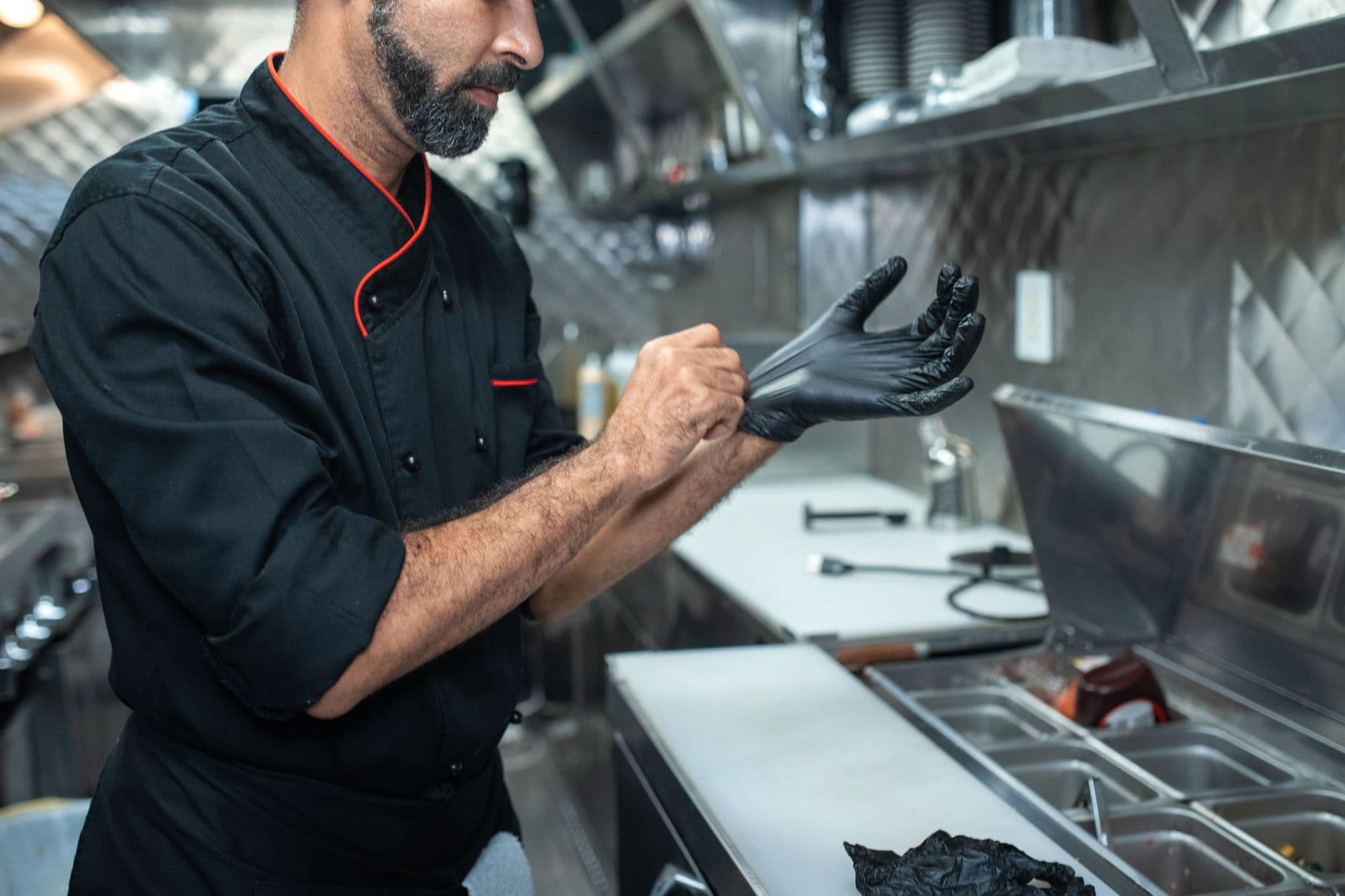
- Regular reminders about handwashing, glove use, and personal cleanliness, especially during busy service.
That last point is not a nice-to-have. CDC says food workers with norovirus should stay out for at least 48 hours after symptoms stop, and that kind of gap can be hard to cover unless managers plan for it in advance. On-call staffing may not solve every labor problem, but it does make it less likely that a sick employee feels trapped between losing a shift and risking an outbreak.
The bigger rulebook behind the handbook
The handbook sits inside FDA’s broader Retail Food Protection framework, which also includes Food Code guidance, educational videos, and other materials meant to help food employees understand the consequences of poor preparation practices and how to prevent foodborne illness. FDA says the Food Code is its best advice for a uniform system of provisions covering retail food and food service, which gives restaurants a common baseline instead of a patchwork of local guesswork.
FDA released the 2017 Food Code in February 2018, and 2024 marks the Food Code’s 30th anniversary. That longevity is part of the point: restaurant hygiene rules do not change because a shift is busy or the staffing board is thin. The public-health logic stays the same, and the handbook gives managers and employees a practical way to apply it before a sick shift turns into a cross-contamination story no one wants to explain.
This article was produced by Prism’s automated news system from verified source data, official records, and press releases, then run through automated quality and moderation checks before publishing. The system is built and supervised by the people who set the standards it runs under. Read our full AI policy.
Did this article answer your question?