FDA launches traceability training as restaurants face stricter food-safety rules
FDA’s new traceability training puts receiving logs, lot codes, and recall response squarely on restaurant managers. Covered operators now have a clearer roadmap before July 20, 2028.

The FDA has pushed food traceability deeper into the restaurant day to day, launching a new training curriculum that turns a once back-office compliance issue into something chefs, receivers, and managers will have to build into routine work.
The agency said on May 21 that it launched “FSPCA FTR Training for the Food Industry” with the Food Safety Preventive Controls Alliance. The course is meant to give industry participants foundational knowledge for understanding the Food Traceability Rule, which FDA says is part of its New Era of Smarter Food Safety Blueprint. The point of the rule is simple enough: speed up the identification and removal of potentially contaminated food so fewer people get sick and fewer deaths occur.
For restaurants, the practical burden sits in the receiving area, storage, and recordkeeping. FDA says people who manufacture, process, pack, or hold foods on the Food Traceability List must keep records with Key Data Elements tied to Critical Tracking Events. That means the people opening boxes, checking shipments, logging lot codes, rotating product, and tracking where ingredients move after delivery are part of the compliance chain now, not just the corporate office. In a restaurant group, that pulls in general managers, kitchen managers, purchasing staff, prep leads, and anyone responsible for inventory or supplier paperwork.
The timing matters. FDA finalized the rule on November 21, 2022 and originally set a compliance date of January 20, 2026. The agency later proposed a 30-month extension to July 20, 2028, and the National Restaurant Association says restaurants that include foods from the traceability list will need to meet specific recordkeeping requirements beginning that date. FDA also says the rule covers domestic and foreign firms producing food for U.S. consumption, and it reaches across the supply chain, including restaurants and retail food establishments.
In practice, that changes how kitchens run. Managers will need tighter delivery logs, clearer supplier documentation, and a faster way to pull ingredient histories when a case of produce, seafood, or another covered item is flagged. If records are incomplete during an investigation, the restaurant loses time it may not have, with product harder to trace and menu items more likely to be held, discarded, or pulled while the supplier chain is sorted out.
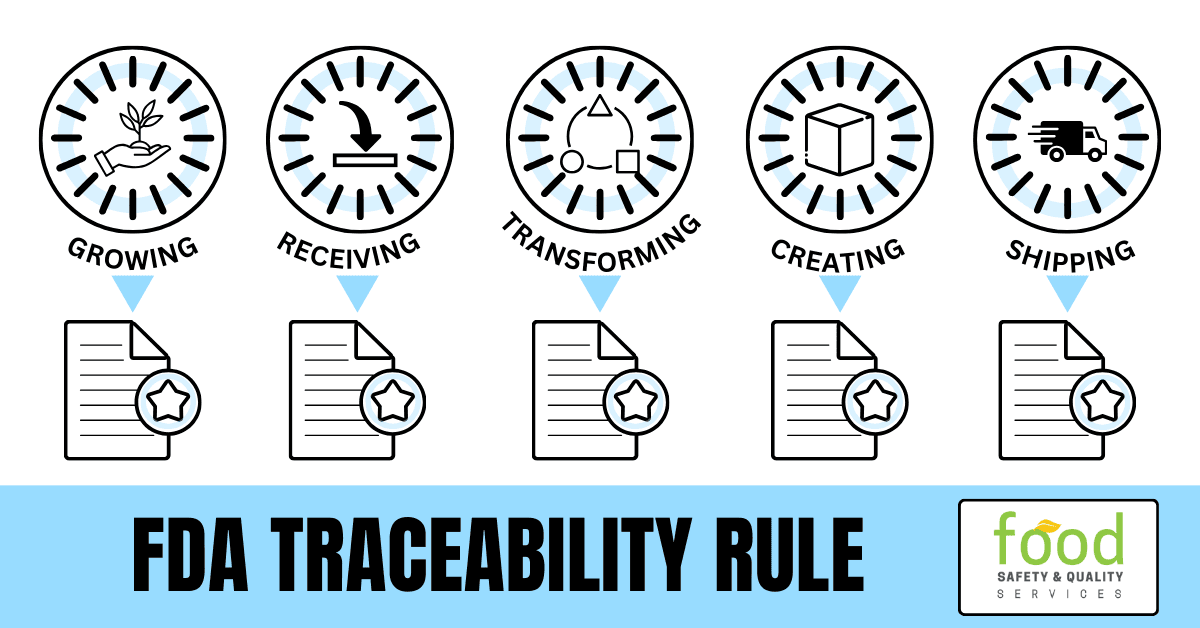
FSPCA said its traceability core curriculum was finalized and publicly available in April 2026, which puts operators on notice well before the 2028 date. For restaurants already juggling staffing shortages, burnout, and high turnover, the new training is a reminder that food safety is now tied to ordinary floor-level habits: how product comes in, how it is stored, and how fast a manager can prove where it went.
This article was produced by Prism’s automated news system from verified source data, official records, and press releases, then run through automated quality and moderation checks before publishing. The system is built and supervised by the people who set the standards it runs under. Read our full AI policy.
Did this article answer your question?