First Watch shows how employee-first culture lowers turnover
First Watch keeps people by making the job more predictable: daytime-only shifts, visible managers, real feedback loops and service rules employees can actually use.
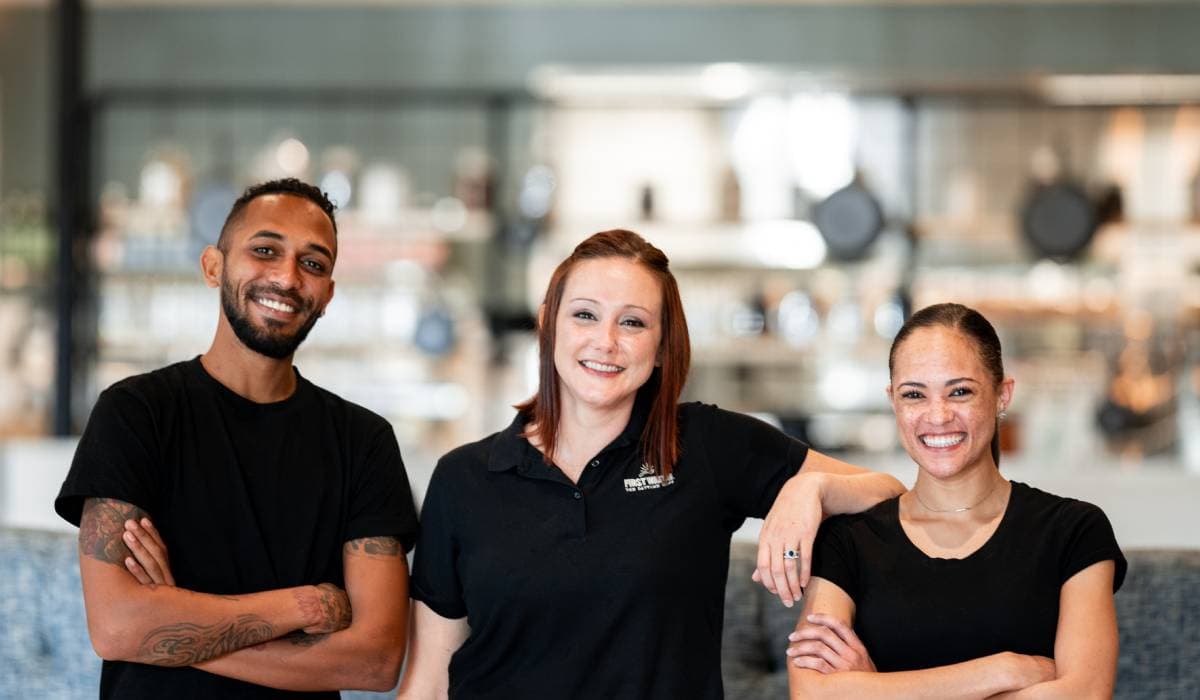
The retention advantage starts with the schedule
First Watch’s biggest labor advantage is not a slogan, it is the clock. The chain’s “No Nights Ever” daytime model means servers, hosts, bartenders and cooks are not disappearing into late closes or overnight reset shifts, which gives employees evenings with family and friends and makes the job easier to fit around life outside the dining room. In a business where burnout often comes from unpredictable hours as much as from pay, that schedule is a real operating choice, not a branding exercise.
That matters because the company has scaled to more than 600 restaurants in 32 states and more than 15,000 employees, while still earning a reputation for low turnover. The lesson for the rest of the industry is blunt: retention gets better when the business removes some of the daily friction that drives people out. Daytime-only service is not a universal fix, but it shows how much staffing stability can come from a model that gives workers a more normal routine.
Culture sticks when managers are visible, not mythical
First Watch’s leadership story works because it is concrete. CEO Chris Tomasso says he learned from founder Ken Pendery and tries to make leadership feel accessible in ordinary ways, including handwritten notes to employees and lunch in the corporate office break room so workers see him as present, not remote. That may sound small, but in restaurants the smallest signals often carry the most weight: whether a manager remembers your name, whether a supervisor shows up on the floor, whether feedback comes as coaching or as whiplash.
For line cooks and front-of-house staff alike, that kind of behavior changes the job from one more shift into something more stable. It tells employees that the company is not just extracting labor from them, it is paying attention. That is especially important in restaurants, where staff can be skeptical of polished culture language because they have heard it before and watched it disappear the moment a rush hits or labor costs get tight.
The W.H.Y. Tour turns listening into operating changes
First Watch also gives employees a reason to believe leadership is listening. The company launched its W.H.Y., or We Hear You, Tour in 2021, and by the 2025 workplace recognition coverage it had heard from more than 1,500 employees across more than 150 hours of conversations. Those conversations reportedly led to changes in menu, operating systems and employee compensation and benefits, which is where the story becomes useful to workers: feedback is only real if it changes the work.
That matters in restaurants because staff can tell quickly whether a listening tour is just a photo op. If employee input changes how prep is organized, how service runs, or what support people get for showing up to work, the message is different. It says the company is treating turnover like an operational problem to solve, not a morale issue to message around.
Recognition helps, but the substance is in the benefits and training
First Watch was named the #1 Most Loved Workplace in America for the second consecutive year in 2025, and it has appeared on the list for four straight years. The recognition was based on employee surveys and third-party research completed by Best Practice Institute, which gives the accolade a little more weight than the usual corporate trophy shelf. Still, what matters to workers is not the plaque. It is whether the company backs up the claim with support that actually makes life easier.
The company says its benefits include backup child and elder care, Calm app access, personal and professional coaching, telemedicine, free high school diploma support and tuition reimbursement. For hourly restaurant workers, that mix is important because turnover is often driven by life friction, not just hourly pay. A sick kid, a transportation problem, or unfinished schooling can push someone out of the industry; a package that addresses those pressures can make staying more realistic. It will not erase the wage gap many workers still face between the front and back of house, but it can reduce the number of reasons a good employee leaves.
Pendery’s philosophy still shows up in the building
First Watch’s retention story also has deep roots. The company was founded in 1983 in Pacific Grove, California, by Ken Pendery and John Sullivan, and later moved operations to Florida in the mid-1980s. Pendery died on March 4, 2024, at age 70 after 38 years with the company, but the company still points to his influence as central to how it operates. His wall motto, “Culture is integrity. It's honesty. It's respect,” is a good summary of why the brand’s employee story has stuck.
The other piece of that legacy is the 5 Steps of Service, first written on the back of a napkin in 1987 and still actively trained in restaurants. That matters because training systems are one of the easiest places for a company to drift into hand-waving. If employees can see a real service standard, get coached against it, and understand what good looks like, the workplace feels more predictable. Pendery also helped drive the company’s growth from about 50 restaurants in 1998 to more than 330 in 2018, and to more than 520 nationwide by the time of his death, which suggests the philosophy was not just sentimental. It scaled.
What other restaurants can copy, and what they cannot
The portable lessons here are the ones that do not depend on breakfast pancakes. Any restaurant can make managers more visible, give employees a real feedback loop, train to clear standards and reward consistency instead of chaos. Any operator can send the message that workers are known, not processed, and can turn employee complaints into actual changes in scheduling, systems or support.
What is harder to copy is the structural advantage of the daypart itself. First Watch’s breakfast, brunch and lunch-only model is doing part of the retention work because it removes the late-night strain that wears people down in bars, dinner restaurants and 24-hour operations. That is a major edge, and it is not available to every concept. Even so, the chain shows that employee-first culture is not just about being nice. It is about building a job with fewer surprises, more trust and a schedule that does not spend every evening asking people to choose work over the rest of their lives.
This article was produced by Prism’s automated news system from verified source data, official records, and press releases, then run through automated quality and moderation checks before publishing. The system is built and supervised by the people who set the standards it runs under. Read our full AI policy.
Did this article answer your question?