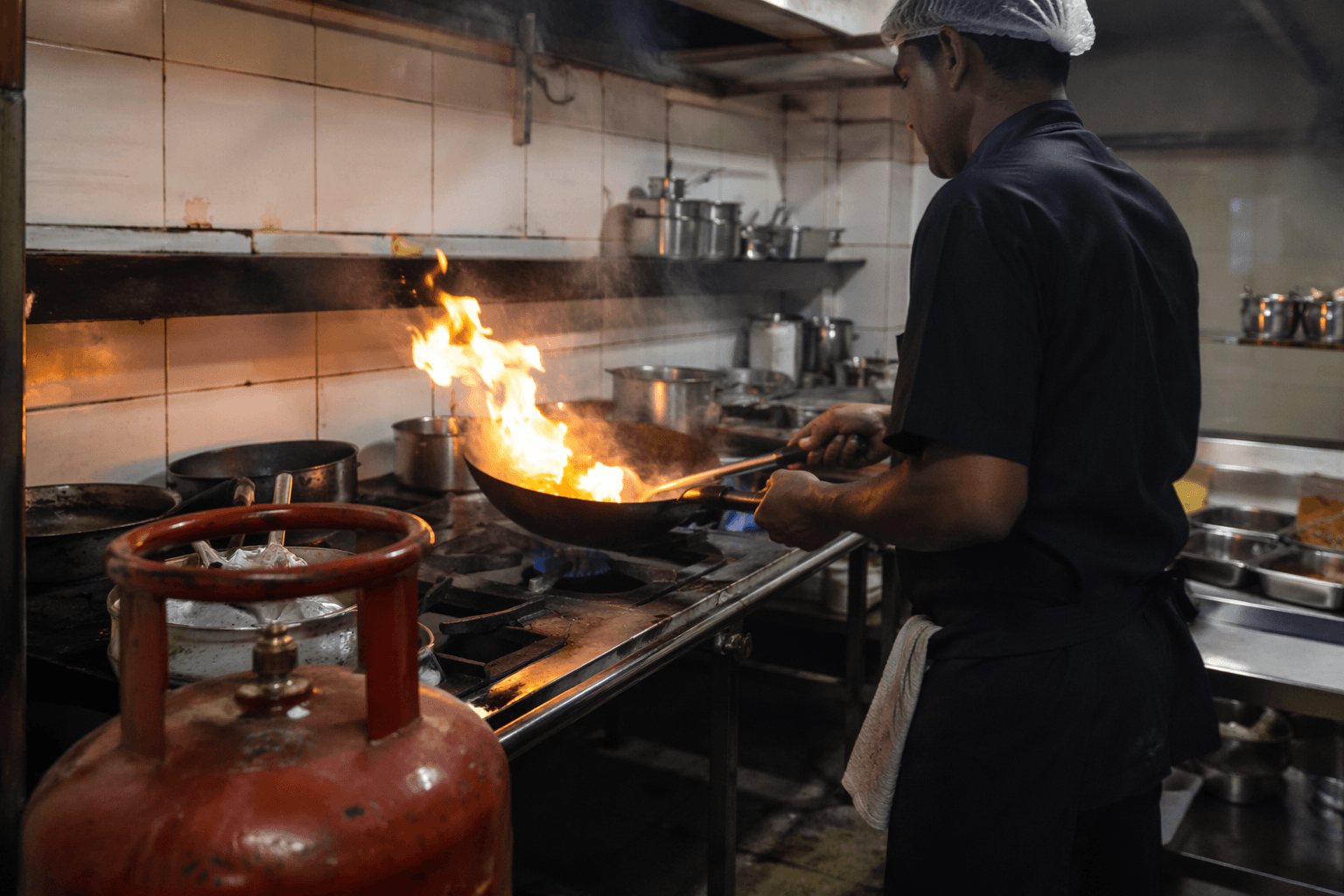
Food safety scrutiny rises as restaurants tighten recall response
Recalls now hit the line, the schedule, and the bottom line. Restaurants that tighten labeling, sanitation, and response plans can cut shutdown and lawsuit risk fast.
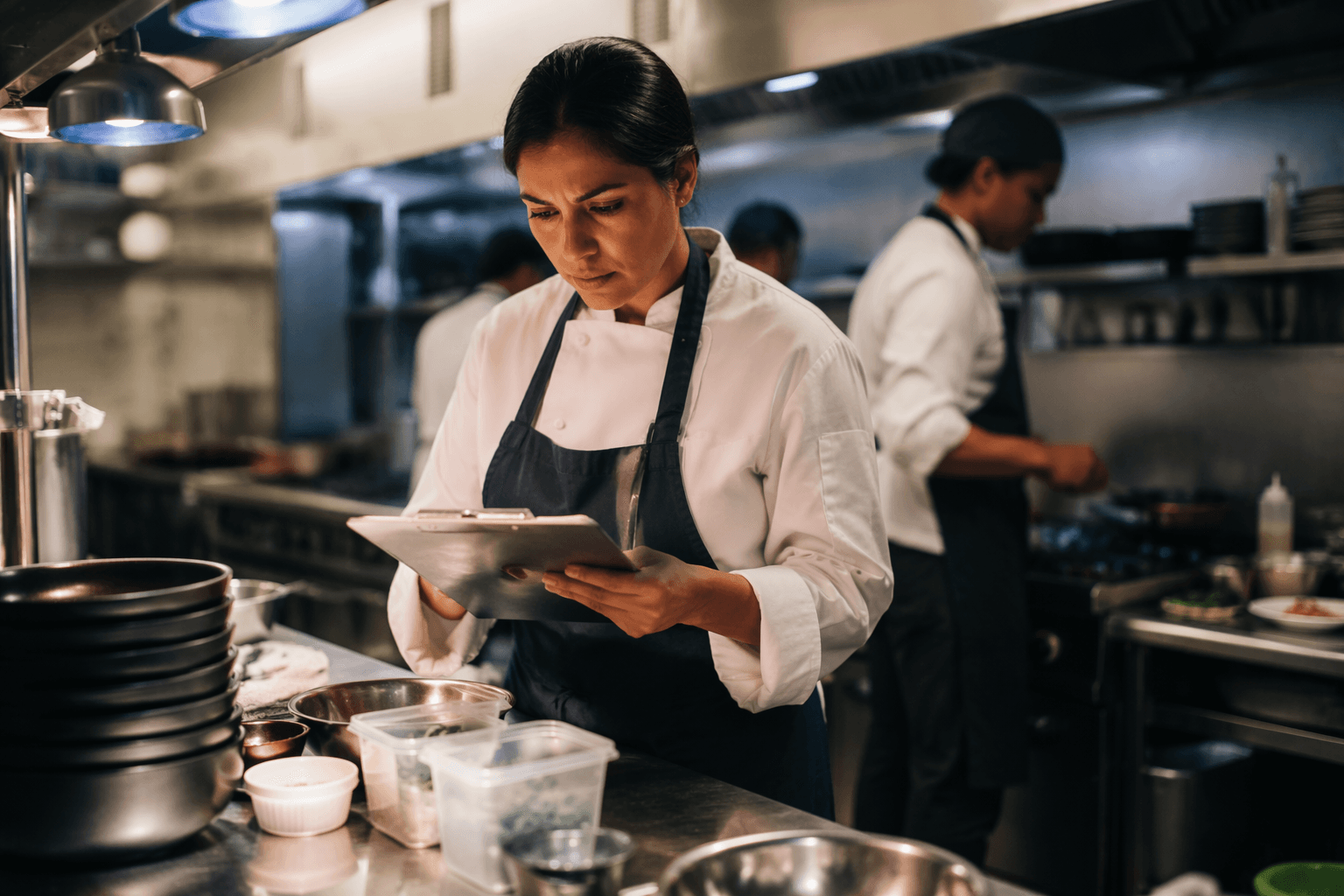
A recall no longer stays in the legal department. It can empty a prep fridge, stall a lunch rush, and turn one bad ingredient into a labor and reputation problem that reaches every station in the building.
Food safety is now a front-of-house and back-of-house risk
The pressure is coming from several directions at once: the long tail of FDA recalls, ongoing allergen exposure concerns, and stricter expectations around contamination control. For restaurant crews, that means food safety is not just about passing an inspection. It is about keeping a bad day from becoming a shutdown, a sickness outbreak, or a public-relations mess that lands on the shoulders of hourly staff first.
That is why the floor-level changes matter so much right now. Stronger line checks, tighter labeling, more consistent sanitation, faster recall response, and better tracking of ingredients from receiving to storage to plate are no longer optional habits. They are the practical defenses that keep a mistake in one part of the operation from spreading across the whole shift.
Why recalls hit restaurants so hard
A recall or contamination event can create a labor crisis almost immediately. Inventory gets tossed, equipment needs deep-cleaning, procedures need retraining, and the pressure from unhappy guests lands on the team still trying to keep service moving. Managers feel the loss in staffing time and continuity; workers feel it in the scramble to reset the kitchen while still serving tickets.
That is especially true in restaurants with high turnover, where a new hire may be handling critical tasks on day one. When routines are informal, the risk compounds fast. A bad handoff at receiving, a missed label in storage, or a lapse on allergen controls can turn into a guest safety issue before the shift even realizes something is wrong.
What the FDA and CDC are signaling
The U.S. Food and Drug Administration says the Food Code is its best advice for regulating retail food and food-service establishments. The 2022 edition reflects input from regulatory officials, industry, academia, and consumers, and FDA tracks whether states and territorial agencies adopt it. The message for operators is clear: restaurant food safety is getting more formalized, not less.
The Centers for Disease Control and Prevention adds another layer of urgency. It typically coordinates between 17 and 36 investigations of foodborne illnesses involving multiple states each week, and the most common multistate outbreak pathogens include Campylobacter, E. coli, Listeria, and Salmonella. That kind of volume means restaurants are operating in an environment where outbreaks are not rare anomalies. They are part of the daily risk landscape.
A current example shows how fast the stakes rise. In February 2026, FDA reported a multistate Listeria outbreak linked to prepared meals that had sickened 28 people across 19 states. Even when a restaurant is not the original source, the fallout from a linked product can still hit menu planning, supplier confidence, and guest trust.
What teams need to tighten this quarter
The best response starts before a recall notice ever hits the inbox. Restaurants that want to reduce shutdown and liability risk need systems that make food safety visible on the floor, not just on a binder shelf.
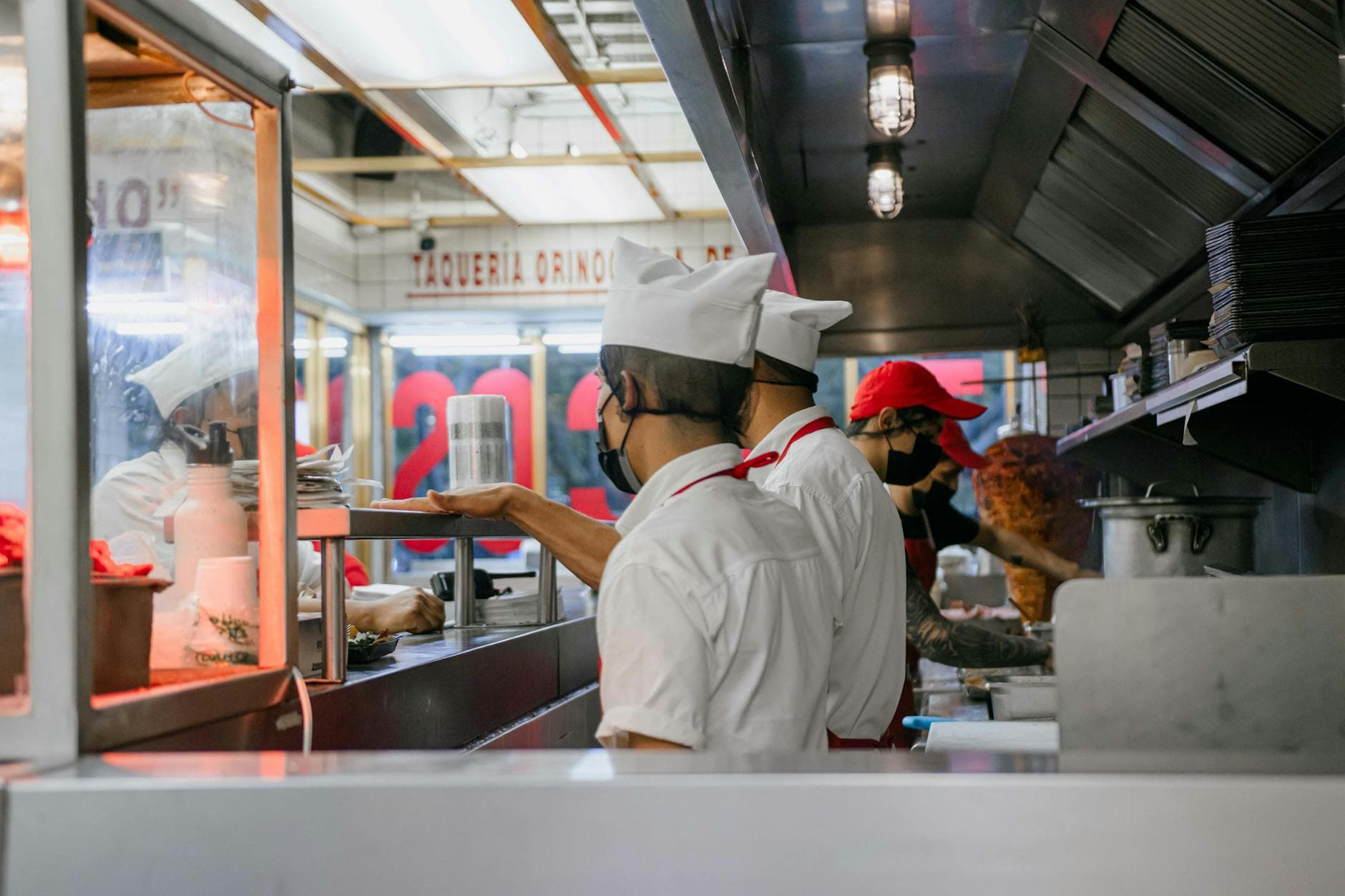
- Check labels at receiving and again before prep, especially for ingredients that move through multiple hands.
- Keep sanitation routines predictable enough that new hires can follow them without guesswork.
- Treat allergen controls as a daily workflow, not a special request from one guest at one table.
- Build a recall response chain that tells staff who pulls product, who documents it, and who speaks to guests.
- Train managers to isolate questionable product quickly so service decisions do not outrun safety decisions.
The point is speed with documentation. If a problem appears, crews need to know how to stop use of the product, trace where it went, and show what was done next. That protects guests, but it also protects the team from absorbing preventable chaos after the fact.
Allergen management is not a side issue
Food-safety scrutiny now stretches well beyond raw proteins and refrigeration logs. FDA says it enforces ingredient-labeling requirements for packaged foods and provides guidance on managing allergen hazards. For restaurants, that matters because allergens often move through the kitchen in ordinary ingredients, not in obvious warning labels.
Sesame is now the ninth major food allergen in the United States, effective January 1, 2023 under the FASTER Act. That change matters in day-to-day service because sesame can show up in buns, dressings, sauces, seasonings, and garnishes. If a team is not checking ingredients carefully, it can miss a risk that is now part of standard compliance expectations.
For servers and hosts, allergen literacy is part of guest management. For cooks and managers, it is part of preventing one conversation at the table from becoming an emergency in the dining room.
Training is becoming part of the safety system
The National Restaurant Association created National Food Safety Month in 1994 to raise awareness, and it has long tied that message to ServSafe training and certification for food and alcohol service. That matters because training is no longer a nice-to-have for operators trying to sound responsible. It is one of the few tools that can reduce risk across shifting schedules, mixed experience levels, and constant turnover.
In practice, training is what makes the written policy real. A recall protocol means little if the host stand does not know who to alert, the dish crew does not know what to pull, or the closing manager does not know how to document the cleanup. Safety systems work only when they survive the pressure of a Friday night rush.
The bigger workplace takeaway
The new food-safety reality is not just about avoiding fines. It is about protecting staff time, guest trust, and the operating continuity of the store itself. When restaurants tighten recall response, they are not only preparing for regulators. They are protecting the people who have to keep service alive when something goes wrong.
For line cooks, servers, bartenders, hosts, and managers, the lesson is blunt: the next crisis is more likely to spread through a weak process than through one contaminated ingredient alone. The restaurants that invest in labeling, sanitation, allergen control, and rapid response now are the ones most likely to keep their doors open, their teams intact, and their reputation from unraveling under the first sign of trouble.
This article was produced by Prism’s automated news system from verified source data, official records, and press releases, then run through automated quality and moderation checks before publishing. The system is built and supervised by the people who set the standards it runs under. Read our full AI policy.
Did this article answer your question?