GLP-1 users are dining out less, reshaping restaurant traffic
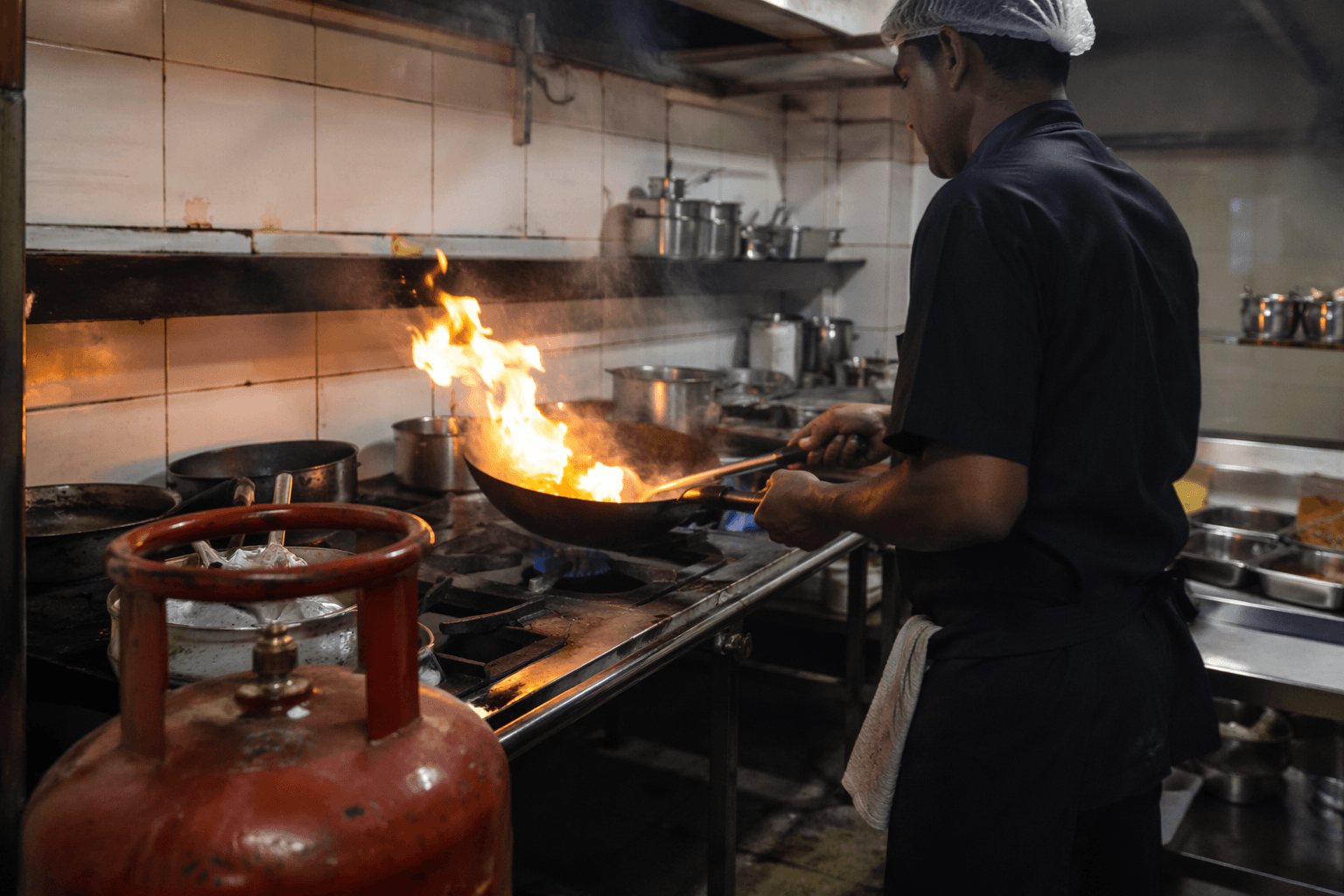
Weight-loss drug users are already trimming restaurant spending, a shift that could mean fewer covers, smaller checks and thinner tip pools for front-of-house staff.

If GLP-1 use keeps pulling diners out of the habit of eating out, the first people to feel it will be the ones on the floor: fewer covers, smaller checks and, for servers and bartenders, lighter tip jars. The pressure may start as a traffic shift, but in restaurants it quickly becomes a scheduling problem, a labor-cost problem and, eventually, a pay problem.
Morgan Stanley’s survey of 300 U.S. GLP-1 users in February 2024 gave the industry an early warning. Sixty-three percent said they were spending less on restaurant dining, and 61% said they were spending less on takeout and delivery. The same survey projected the GLP-1 market could reach $105 billion by 2030 and that 31.5 million people, or about 9% of the U.S. population, could be using the drugs by 2035. For operators, that is the kind of consumer change that can flatten a lunch rush, shave a few turns off dinner service and leave managers trying to rebuild the schedule around fewer guaranteed checks.
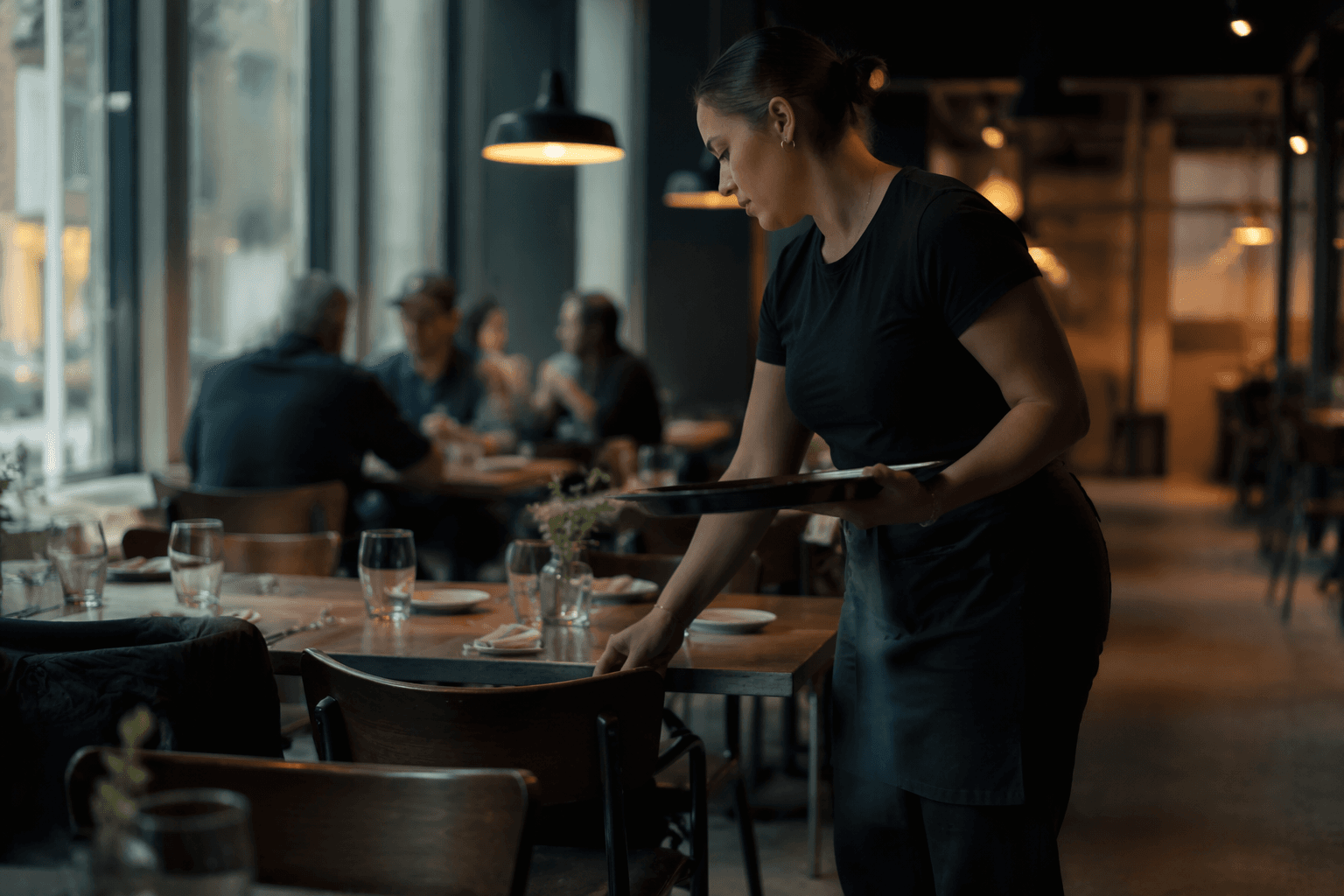
But the picture is not a simple story of diners disappearing. On May 20, the National Restaurant Association said roughly one in eight adults were taking some form of GLP-1 medication, and 29% of non-users said they would consider it if the drugs were more accessible and cost-effective. Its survey found GLP-1 users bought a meal, snack or beverage from a restaurant 7.6 times in the prior week, compared with 5.1 times for non-users. Even nearly half said they had cut back on how often they dine out since starting the medication, 87% said they enjoy going to restaurants and 71% said restaurants were essential to their lifestyle. That suggests the threat to restaurants may be less about a full stop than a smaller basket, a different daypart mix and more pressure on servers to do the same work for less in tips.
Other research points in the same direction. NIQ said in March that nearly all GLP-1 users in Britain had changed behavior, with 29% drinking less alcohol or more slowly, 29% ordering more nutritious dishes, 28% choosing lower-calorie options and 28% skipping starters or desserts. Around a third said they had cut fast-food visits. Acosta Group found on April 14 that 34% of all consumers using a GLP-1 for weight loss were dining out less, but 48% of Gen Z and Millennials were dining out more, often by sharing a main entree. William Blair found about 70% of surveyed users were eating smaller portions at restaurants and 48% would increase visits if smaller portions were offered.

That is why the fallout, if it lasts, may show up less as empty dining rooms than as leaner checks and more menu engineering. KPMG has estimated a base-case annual reduction of $48 billion in consumer food-and-beverage spending over the next decade, while still describing GLP-1 users as a roughly $190 billion food-and-beverage market. Restaurants are already responding with smaller portions, protein-forward dishes and reformulated menus. For workers, the real question is whether that adaptation protects traffic enough to keep hours intact, or simply preserves the top line while shifting the pain onto the floor.
This article was produced by Prism’s automated news system from verified source data, official records, and press releases, then run through automated quality and moderation checks before publishing. The system is built and supervised by the people who set the standards it runs under. Read our full AI policy.
Did this article answer your question?