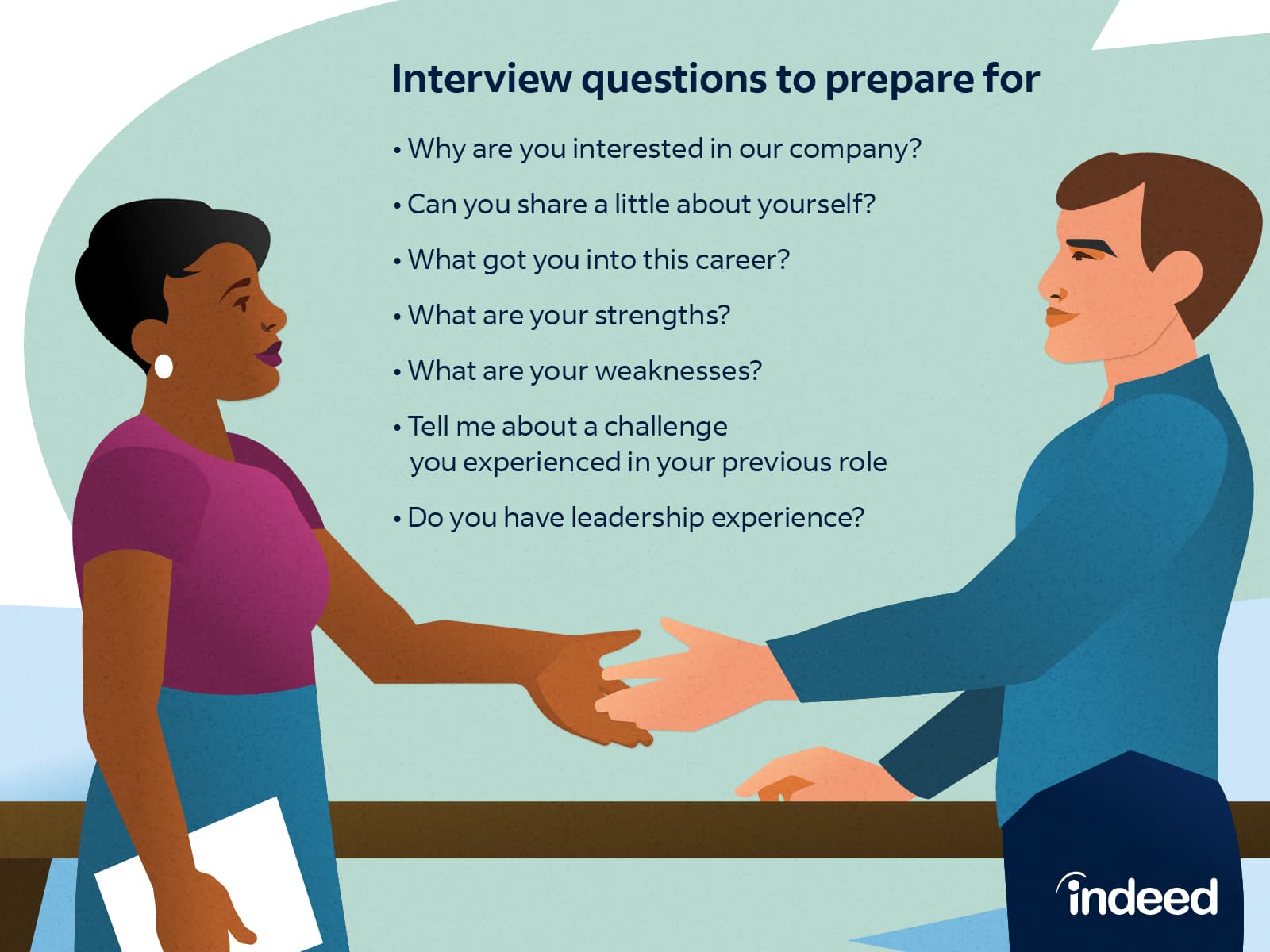
Indeed shares 30 restaurant interview questions with sample answers
Indeed’s 30-question guide shows how restaurant workers can turn rushes, teamwork, and service experience into answers hiring managers actually trust.
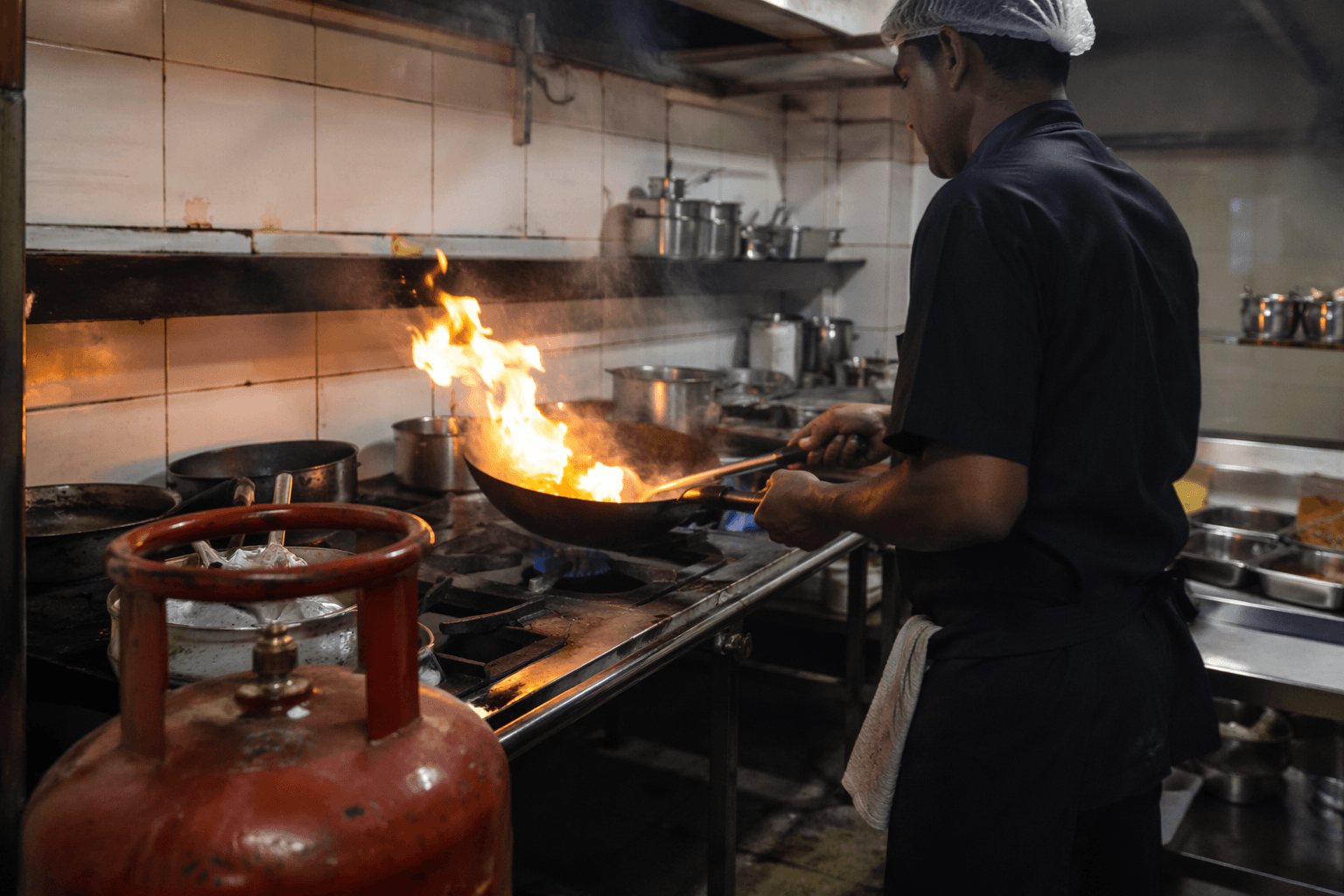
Restaurant interviews can decide who gets the better shifts, the steadier schedule, or the first shot at leadership. With the National Restaurant Association projecting about 15.9 million restaurant jobs in 2025, plus roughly 200,000 more positions, and noting that 9 in 10 restaurants have fewer than 50 employees and 7 in 10 are single-unit operations, each interview matters more than it looks. Openings also keep moving, with restaurant and lodging job openings falling to 679,000 in April 2026 from 753,000 in March, while the U.S. Bureau of Labor Statistics tracks openings, hires, and separations through JOLTS.
1. Why do you want to work here?
A strong answer ties your goal to the actual job, whether that means more stable shifts, higher earnings, or a path into a first leadership role. Keep it concrete, because managers are listening for reliability and fit, not a rehearsed compliment about the menu.
2. What restaurant experience do you have?
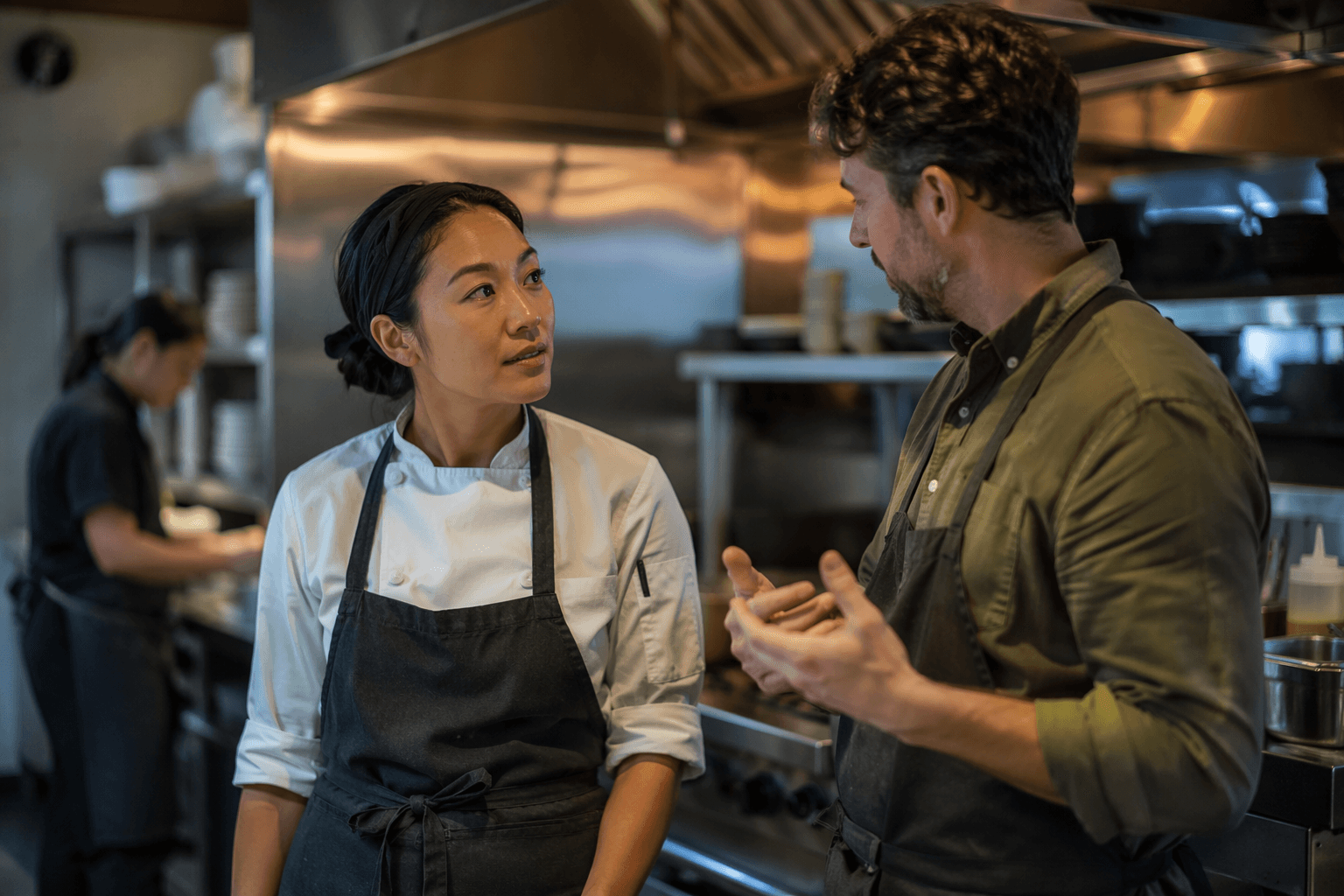
Name the stations, rooms, or service styles you have already handled, then connect them to the pace of this role. If you are newer, frame transferable experience clearly, such as handling guests, staying organized, or learning quickly under pressure.
3. What does good customer service mean to you?
Indeed’s restaurant and food-service advice points employers toward customer service skills for a reason: the floor runs on attitude as much as technique. A good answer should show that you can stay calm, listen, and fix problems without making the guest feel like a burden.
4. How do you handle a rush?
Talk through your process, not just your toughness. The best answers show that you prioritize, communicate, and keep moving when tickets stack up and tables start turning.
5. How do you stay organized on a busy floor?
Use a real system, such as writing clear notes, checking sections in order, or batching tasks between guest interactions. In restaurants, staying organized is often the difference between a smooth shift and a room that starts to slip.
6. How do you prioritize when several guests need help at once?
Employers want to hear judgment, not panic. Say how you would assess urgency, handle the fastest fix first, and keep guests informed so nobody feels ignored.
7. Tell me about a time you dealt with a difficult guest.
Pick an example where you stayed composed and protected the tone of the room. A useful answer shows that you can de-escalate without escalating the whole dining room with you.
8. What would you do if a table complained about the food?
A strong answer combines accountability with speed. Say you would listen, apologize if needed, loop in the right person, and move quickly on a remake or correction so service does not stall.
9. How do you handle an order mistake?
Own the mistake, correct it fast, and communicate clearly with the kitchen and the guest. In restaurants, the repair matters as much as the error, because one small miss can affect the whole shift.
10. How do you work with cooks, bartenders, and hosts?
Interviewers want proof that you understand the restaurant as a team sport. Explain how you share information cleanly, respect each station, and keep the handoffs moving.
11. Are you comfortable with nights, weekends, and holidays?
Be direct about your actual availability, because restaurants live on the schedule most people avoid. A credible answer is honest and specific, not a vague promise you cannot keep.
12. How flexible is your availability?
Flexibility is one of the first things managers test because staffing gaps hit hard in this business. If you can cover openings, close, or jump on weekends, say so clearly and set boundaries up front.
13. How do you feel about sidework?
Sidework is part of the job, not an optional extra. Show that you understand setup, restocking, cleaning, and closing tasks as part of the service rhythm, not busywork to dodge.
14. How do you handle tip pooling or shared service?
This is where a candidate can sound practical and fair-minded. If the restaurant pools tips or splits service, show that you understand how teamwork, transparency, and clean communication protect morale across front of house.
15. What do you know about food safety?
Indeed’s food-service guidance makes it clear that food safety still matters in interviews, even for front-of-house roles. Mention the habits you already use, such as clean hands, safe temperatures, and avoiding contamination, because managers notice those basics.
16. How do you learn a menu quickly?
Talk about how you study ingredients, allergens, specials, and selling points instead of memorizing descriptions word for word. In a busy restaurant, the fastest learners can explain dishes simply and confidently to guests.
17. Tell me about a time you solved a problem without help.
Managers like candidates who can think without freezing. Choose an example that shows initiative, but also show that you knew when to escalate if the issue crossed into safety, money, or guest satisfaction.
18. How do you respond to feedback from a manager?
The best answer sounds coachable, not defensive. Say you listen, adjust fast, and treat feedback as part of getting stronger in a place where standards can change shift to shift.
19. What would you do if a coworker was overwhelmed or absent?
This question checks whether you understand how fragile a shift can be when staffing is tight. Show that you would jump in where needed, keep communication open, and help the team absorb the pressure without drama.
20. How do you keep pace during a long shift?
Burnout is real in restaurants, which is why hiring managers listen for stamina and habits that help you last. A good answer might mention pacing yourself, staying hydrated, and protecting focus so the last hour is as clean as the first.
21. How do you stay calm when the dining room gets loud?
Restaurant work is noisy by design, and guests feel the stress immediately when the room turns chaotic. Explain how you slow your own reaction, keep your voice clear, and avoid passing the tension along.
22. Tell me about a time you worked as part of a team.
Use an example where coordination mattered more than individual heroics. In restaurants, teamwork means covering each other, passing information fast, and keeping service smooth even when someone is behind.
23. What cash handling or POS experience do you have?
Accuracy with checks, tabs, and payments can make or break a shift, especially in tip-heavy roles. If you have POS experience, name the systems or tasks you know, and if you do not, show that you learn systems quickly and handle money carefully.
24. How do you avoid mistakes with orders or checks?
Talk through your checkpoints, such as repeating orders back, confirming modifiers, and checking receipts before closing a tab. Small accuracy habits matter because one wrong check can create a guest complaint, a tip issue, or a kitchen slowdown.
25. Have you trained a new hire before?
This question matters for anyone trying to move into a lead server, shift lead, or first management role. A strong answer shows patience, clear communication, and the ability to teach a standard without making the trainee feel lost.
26. What would you do if you were asked to move into a first leadership role?
Treat this as a chance to show readiness, not just ambition. Explain how you would balance authority with support, keep standards consistent, and make sure the team understands what success looks like on that shift.
27. How would you handle a conflict between coworkers?
Conflicts in restaurants can spill into service fast, which is why managers care about judgment here. A good answer shows that you would stay calm, separate the issue from the people involved, and bring it back to the work.
28. How do you think about pay, tips, and fairness between front and back of house?
Restaurants still wrestle with pay equity, especially when tips, pooled service, and kitchen wages do not line up neatly. Answer honestly about what you value, and show that you understand how compensation affects morale on both sides of the pass.
29. Why should we hire you over other candidates?
This is your chance to connect experience, availability, and attitude in one clean answer. Keep it grounded in proof, such as strong customer service, food safety awareness, teamwork, and the ability to handle rushes without falling apart.
30. What questions do you have for us?
Have real questions ready about training, sidework, tip structure, scheduling, and what the first 30 days actually look like. That is how you turn the interview around and show that you are choosing the job as carefully as the restaurant is choosing you.
This article was produced by Prism’s automated news system from verified source data, official records, and press releases, then run through automated quality and moderation checks before publishing. The system is built and supervised by the people who set the standards it runs under. Read our full AI policy.
Did this article answer your question?