Korean restaurant workers win union contract in labor organizing milestone
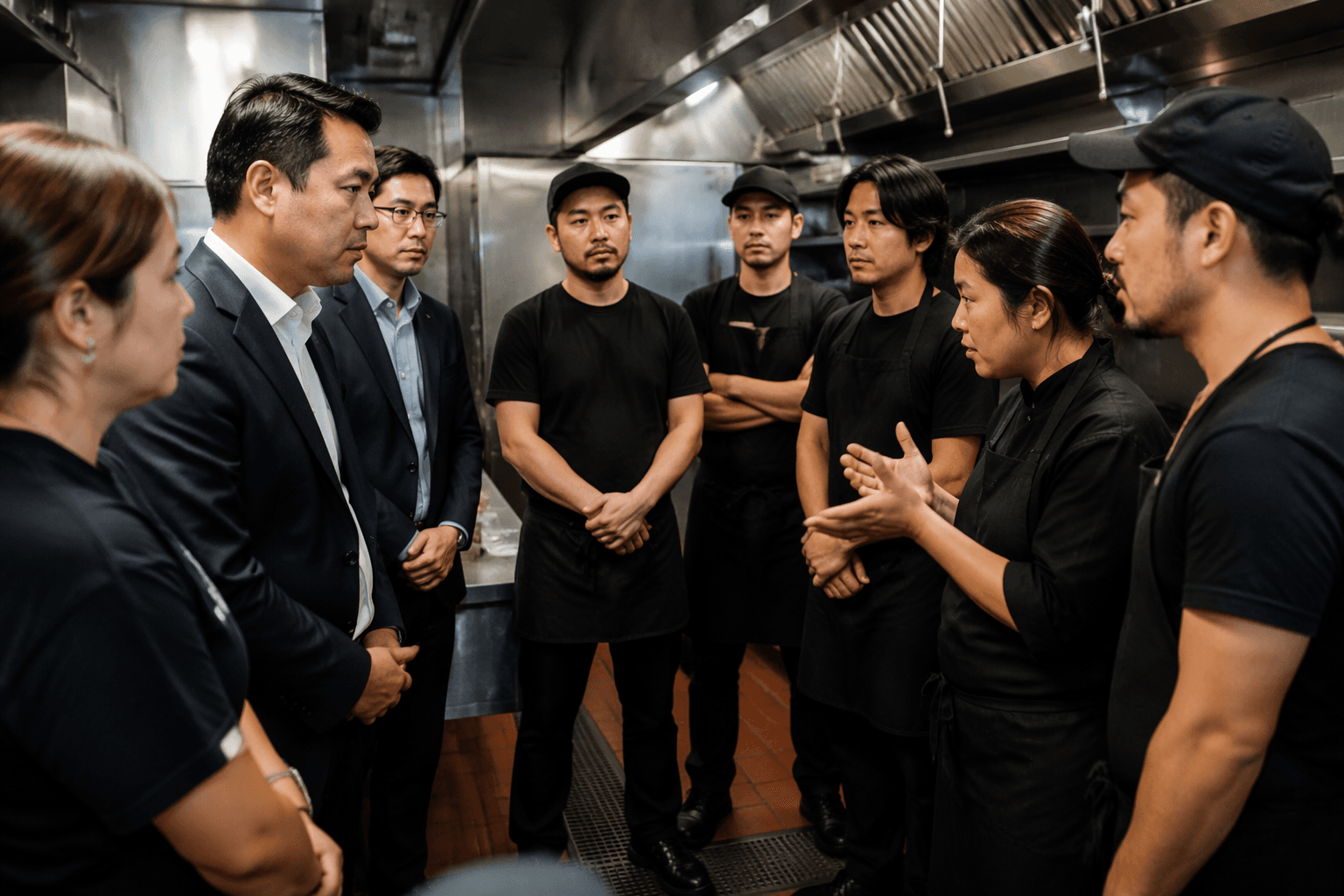
Genwa Korean BBQ workers met owners Jin Won Kwon and Jay B. Kwon on June 21 after winning what organizers called an industry first.
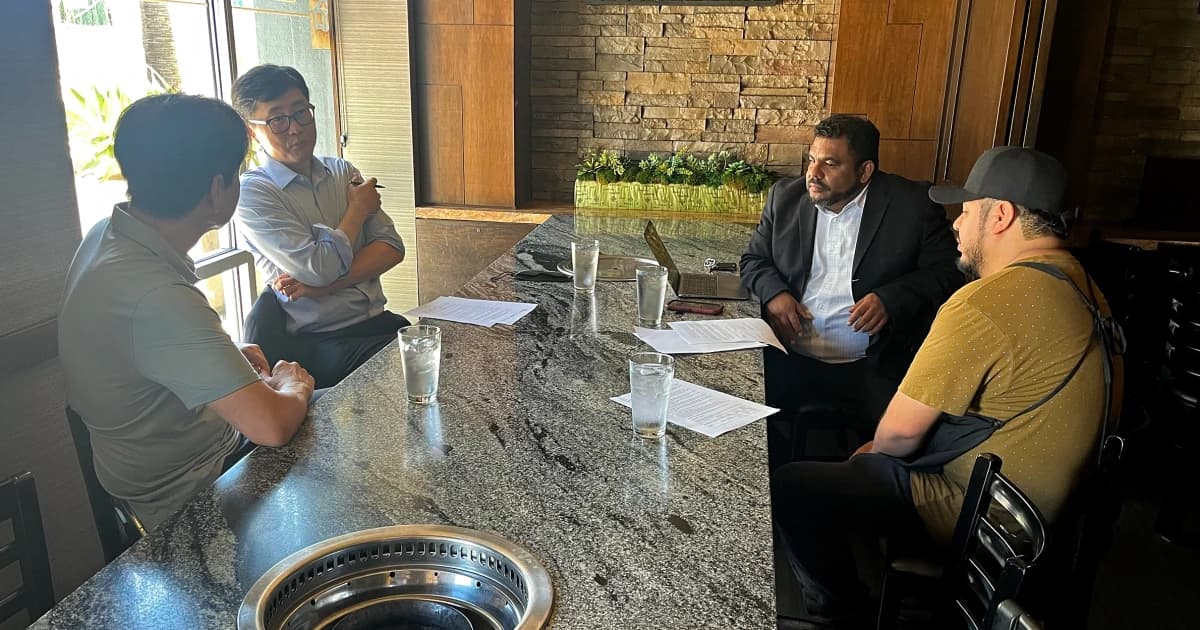
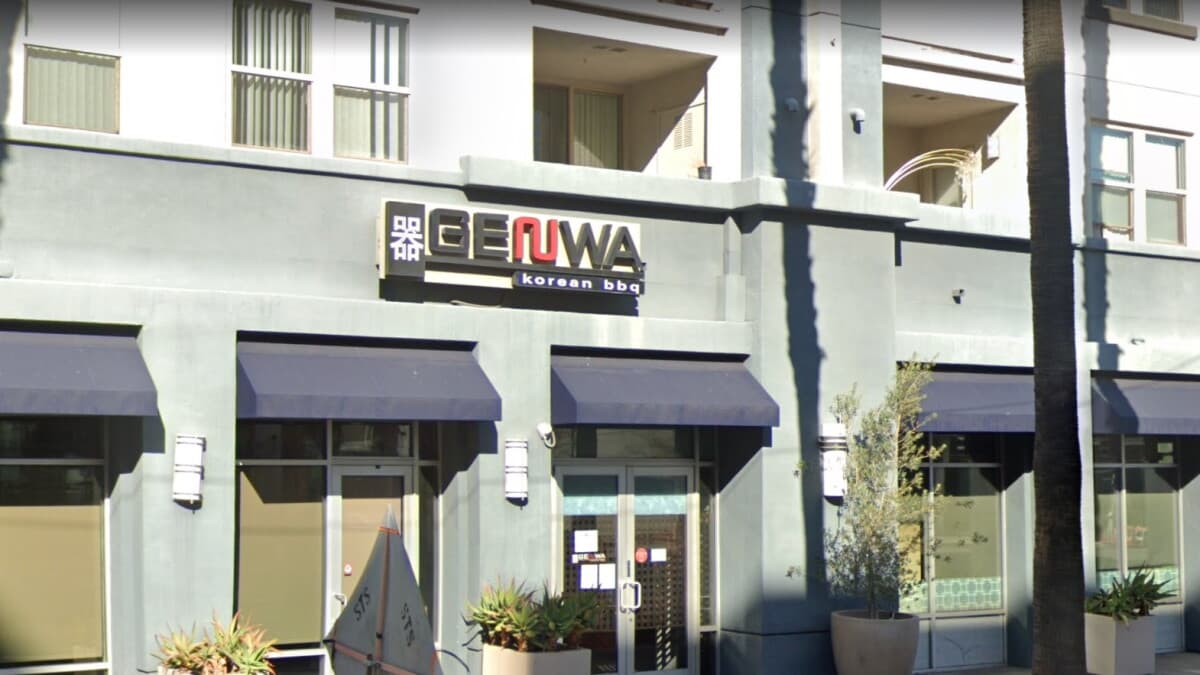
Workers at Genwa Korean BBQ in Los Angeles met owners Jin Won Kwon and Jay B. Kwon at the restaurant on June 21 after securing a union contract that labor organizers described as an industry first. The deal made Genwa the country’s first privately owned Korean restaurant to win a union contract, a milestone that reaches beyond one dining room and into an industry where many workers still assume organizing is only possible at giant chains.
The contract followed a yearslong campaign that began in 2017, when Genwa workers started organizing with KIWA amid allegations of wage theft and unfair treatment. Bet Tzedek Legal Services said the California Labor Commissioner’s Office later cited the restaurant’s owners for $2.1 million in multiple wage theft and labor law violations, a record that gave the dispute more than symbolic weight for cooks, servers, bartenders and dishwashers watching from other restaurants.
For workers, a union contract can turn informal promises into enforceable rules on pay, scheduling, job duties and discipline. It can also create a formal process for raising complaints about safety, harassment and workload, issues that often sit unresolved in restaurants where staff are told to keep the peace or wait for management to fix things later. In a business built on high turnover and fast hiring, that kind of contract gives workers leverage they rarely have one by one.
The Genwa campaign also shows how restaurant organizing can grow from people who leave the job but stay connected to the workplace. Rebecca Nathan helped organize former colleagues after she left Genwa, and Steven Chung, a former head waiter, was among the workers highlighted in coverage of the drive. Their roles matter because restaurant crews are usually built on close relationships, and that familiarity can cut both ways: it can make retaliation feel personal, but it can also help workers coordinate when they decide the old arrangement is not working.
The momentum is not limited to Los Angeles or to Korean restaurants. At Kim’s Restaurant in Minneapolis, UNITE HERE Local 11 said about 60 cooks, dishwashers, servers, support staff and bartenders work there, and a majority voted yes in a union election on June 27, 2024. That wider pattern points to the same pressure points across the business: unpredictable schedules, pay fights, staffing shortages and the constant strain of trying to keep a kitchen running without a real voice on the job.
This article was produced by Prism’s automated news system from verified source data, official records, and press releases, then run through automated quality and moderation checks before publishing. The system is built and supervised by the people who set the standards it runs under. Read our full AI policy.
Did this article answer your question?