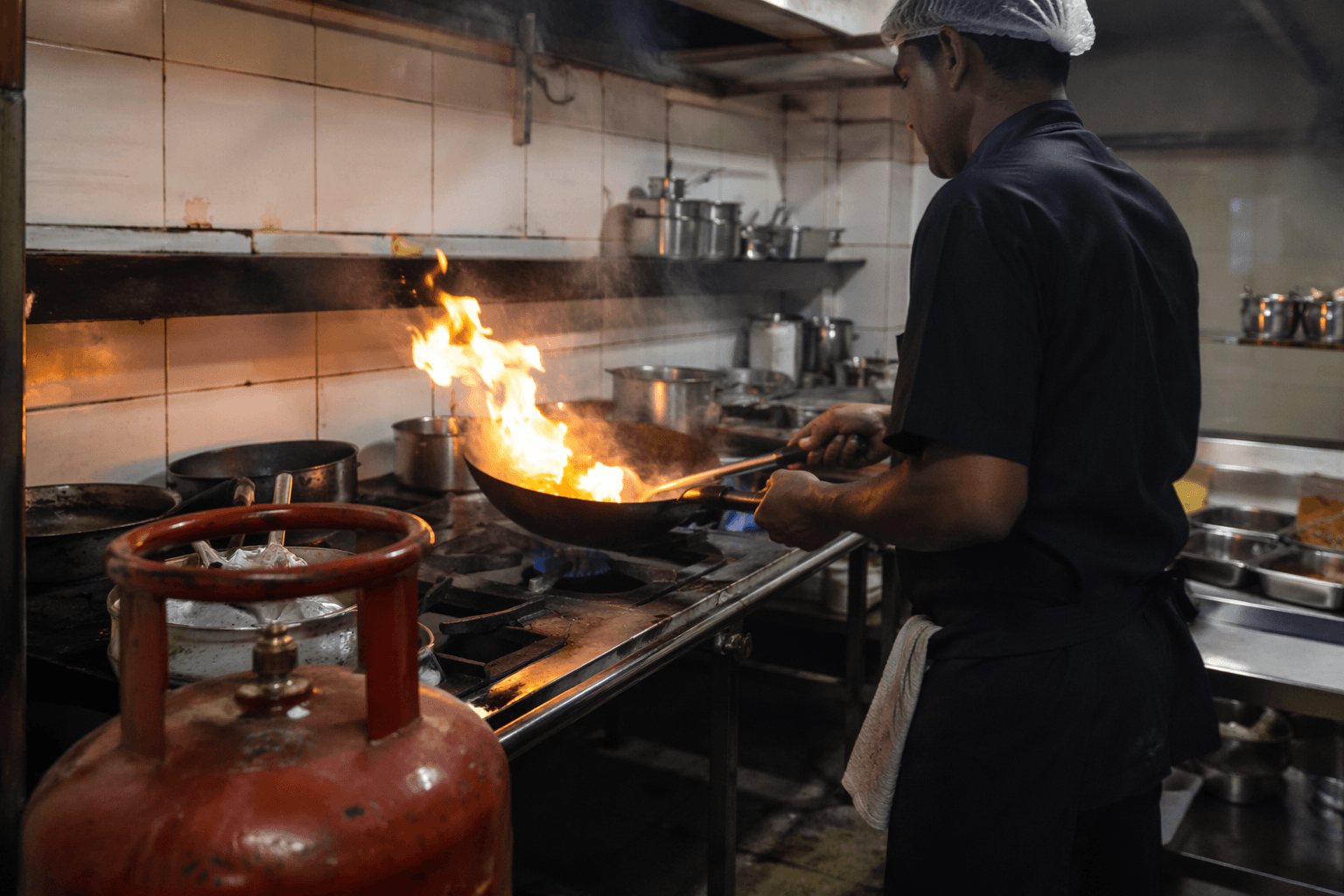
Labor Department clarifies wage, overtime rules for restaurants
The Labor Department’s restaurant guide is a cheat sheet for the biggest wage traps: tip credits, overtime, minors’ hours, and unpaid side work.

A waitress who runs a credit card, a bartender whose check slips below the legal floor, or a manager who touches the tip pool can all turn a routine shift into a wage claim. The Labor Department’s restaurant fact sheet reads like a compliance map for exactly those moments: who is covered, what the wage floor is, how overtime works, and where restaurants most often get themselves in trouble.
Who the law reaches
The Fair Labor Standards Act generally covers restaurants and fast-food establishments with annual gross sales of at least $500,000. But the law does not stop at business size. Individual employees who handle goods moving in interstate commerce can be covered even when the restaurant itself falls under that threshold, which is why a neighborhood operation is not automatically outside federal wage rules.
The Labor Department’s own example is telling: a waitress or cashier who handles a credit-card transaction can likely be covered by the law. That is a useful reminder for anyone running a dining room, drive-thru, or small counter service spot. The agency’s restaurant toolkit is meant to help employers understand basic responsibilities under federal labor laws, and it also points out that state laws can add more rights and protections on top of the federal baseline.
The wage floor every shift has to meet
For covered nonexempt employees, the federal minimum wage is at least $7.25 an hour, a rate that has been in place since July 24, 2009. Overtime has a separate rule: after 40 hours in a workweek, pay must rise to one and one-half times the regular rate. Those two numbers are the backbone of restaurant compliance, because they determine whether a week’s labor was paid legally, not just whether the posted hourly wage looked decent on the schedule.
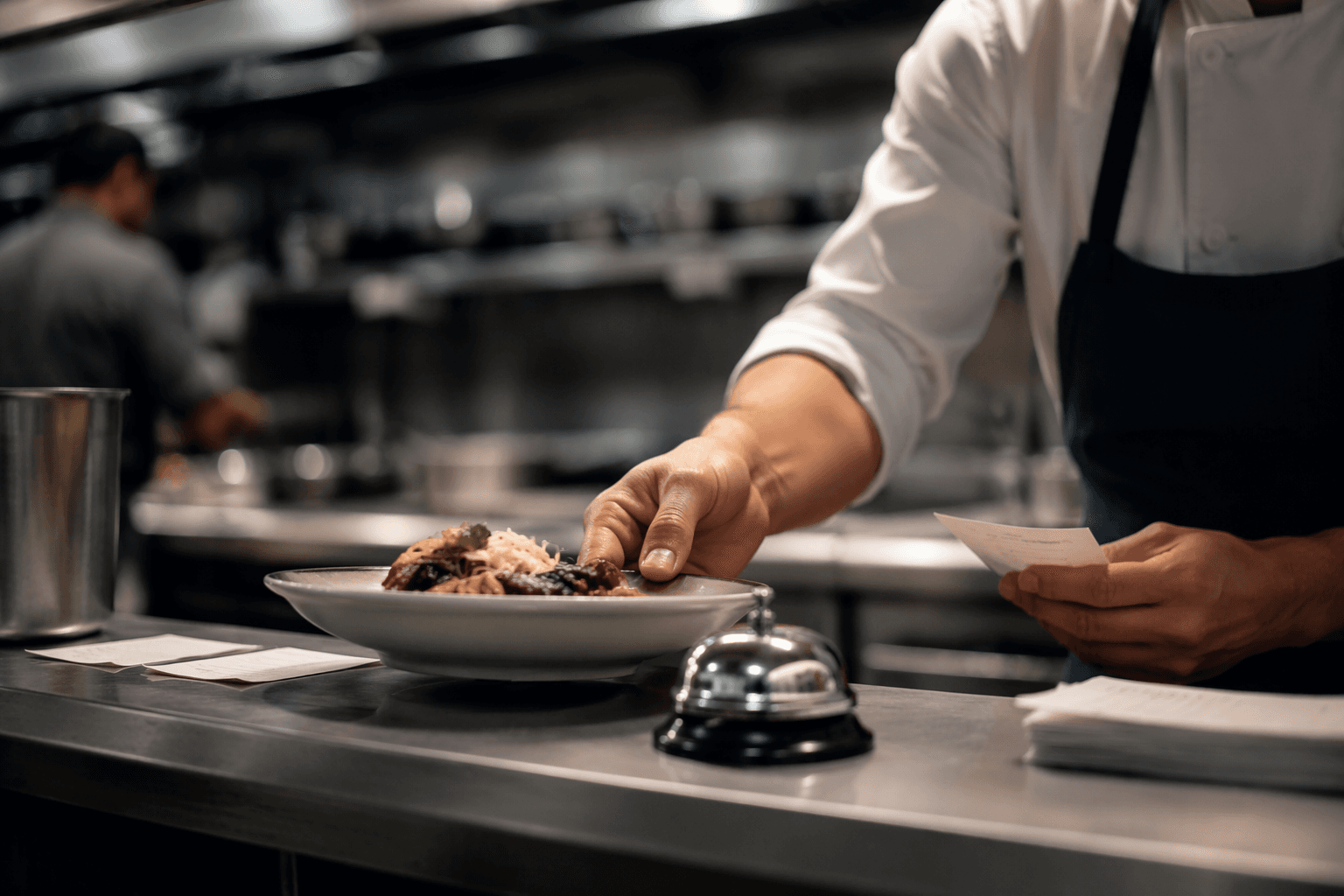
The Labor Department also says illegal deductions are not allowed if they cut into minimum wage or overtime. That matters in restaurants, where payroll mistakes often come from the edges of the job, not the headline wage. If a manager trims pay for time that was worked, or lets deductions drag a worker below the legal floor, the problem is not bookkeeping. It is a wage violation.
That is why the “off-the-clock” issue matters so much in food service. If a worker is still stocking, cleaning, closing, or finishing side work after clocking out, those hours can affect both minimum wage and overtime compliance. In a business built on thin margins and fast turnover, the legal risk is often hidden in the last 15 minutes of a shift.
Tips are not a shortcut around the law
Restaurants lean heavily on tips, but the Labor Department’s guidance is clear that tips only count under specific rules. A tipped employee is someone who customarily and regularly receives more than $30 a month in tips. Under the federal tip credit, an employer is only allowed to pay $2.13 an hour in direct cash wages if the tips, together with that cash wage, bring the worker up to at least the federal minimum wage.
That is the part managers miss when they treat the posted hourly rate as the whole story. In tipped work, the legal calculation is a three-part equation: direct cash wages, tips, and the tip credit. If those pieces do not add up to the required wage and overtime amounts, the restaurant is exposed.
The tip-pool issue can become even riskier when managers blur the line between hourly staff and supervision. In an April 2026 example, the Labor Department said a restaurant employer failed to pay overtime and improperly allowed a restaurant manager to participate in an employee tip pool. For workers, that is not a technicality. It is the difference between tips belonging to the service staff and tips being siphoned into management compensation.

Why state law can change the whole picture
Federal law sets the baseline, but state wage rules can be stricter. The Labor Department’s state tipped-wage table, revised January 1, 2026, shows that some states require tipped workers to receive the full state minimum wage before tips are counted. Alaska, California, and Minnesota are examples. Montana has a separate threshold for businesses not covered by the FLSA.
That means two restaurants can run the same menu, pay the same server base rate, and still face very different legal obligations depending on location. For managers, that is where compliance gets real: a practice that passes federal review may still fail under state law. For workers, it means the pay stub is only part of the story. The law that applies depends on where the restaurant operates and whether the business, the worker, or both are covered.
Restaurants are big enough for small mistakes to matter
The scale of the industry helps explain why these rules draw so much attention. The Bureau of Labor Statistics puts restaurants and drinking places under NAICS 722, with separate coverage for full-service restaurants, limited-service eating places, special food services, and drinking places. In other words, the same wage rules can hit a sit-down dining room, a fast-food counter, a banquet operation, and a bar.
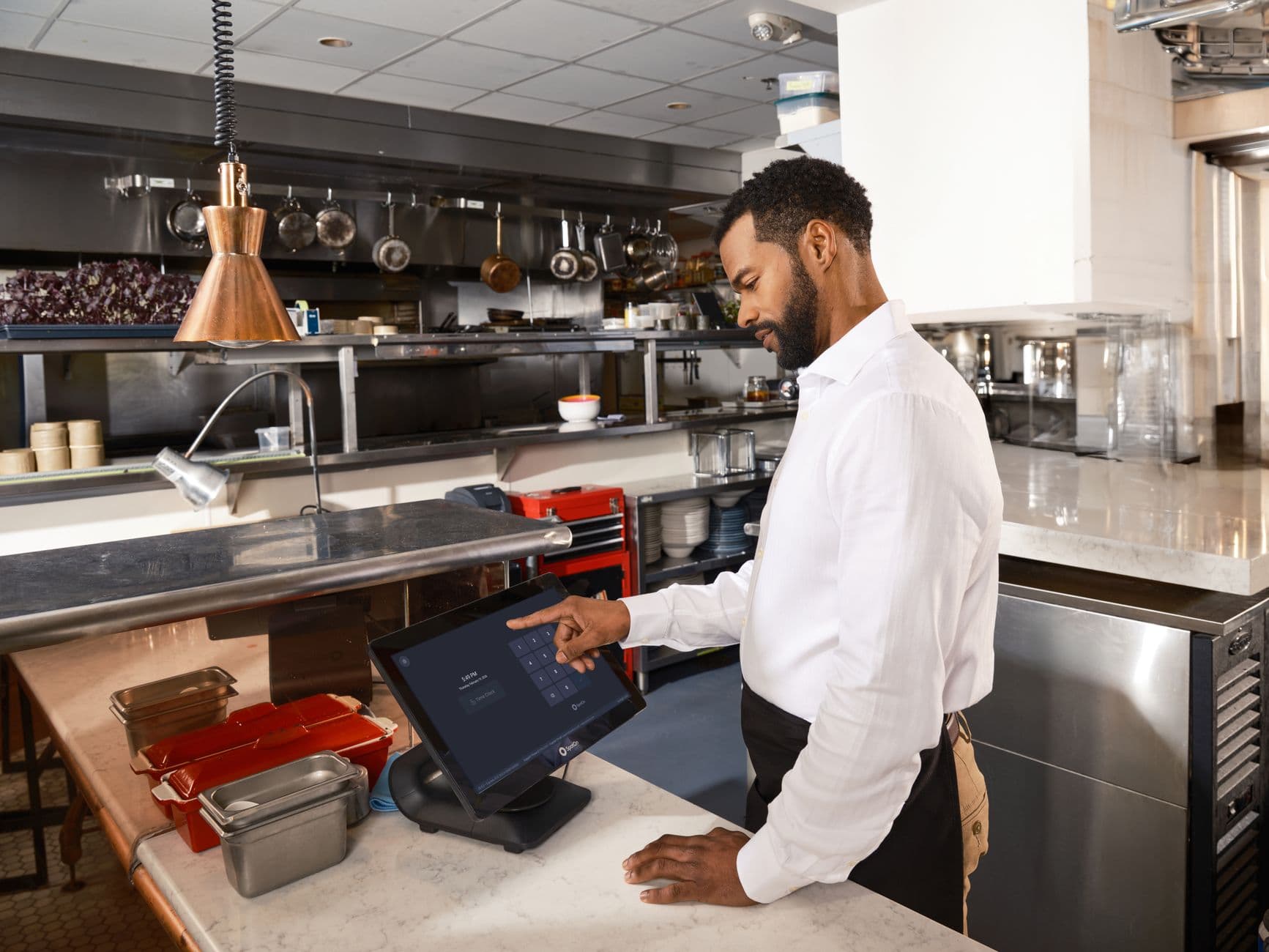
BLS said food services and drinking places added an average of 12,000 jobs per month in 2025. That is a lot of hiring, a lot of turnover, and a lot of payroll pressure in one sector. BLS also says its industry estimates are based on data from employers of all sizes in every state and the District of Columbia, which is another reminder that restaurant labor is not a niche corner of the economy. It is one of the biggest, and one of the most likely places for wage errors to spread.
Youth work and retaliation are part of the compliance map too
Restaurants also sit on the front line of youth employment. The Labor Department has a separate fact sheet for restaurants and quick-service establishments employing workers under 18, along with self-assessment tools tied to youth-employment rules. That makes the industry especially sensitive to first-job scheduling, late shifts, and all the judgment calls that come with staffing teens in a high-turnover business.
The agency also says retaliation is prohibited when workers ask about pay, assert their rights, file complaints, or cooperate with an investigation. That protection matters in restaurants, where staff can be reluctant to challenge payroll because shifts are short, managers are visible, and everyone knows who is getting cut next. The Labor Department’s PAID program, which is designed to help employers correct past wage or leave mistakes, signals that compliance failures are common enough to need a repair path.
The bottom line is simple: in restaurants, the legal risk is usually not one giant violation. It is the accumulation of small ones, a tip pool that is handled sloppily, a teenager scheduled without enough care, an extra hour that goes unpaid, or a deduction that pushes pay below the floor. In a business built on speed, those mistakes can become expensive fast.
This article was produced by Prism’s automated news system from verified source data, official records, and press releases, then run through automated quality and moderation checks before publishing. The system is built and supervised by the people who set the standards it runs under. Read our full AI policy.
Did this article answer your question?