Labor Department Clarifies When Restaurant Managers Can’t Share Tips
A floor manager can run food and still be barred from tips. The Labor Department says one bad tip pool can trigger wage recovery and full minimum-pay obligations.

When helpful hands become a compliance problem
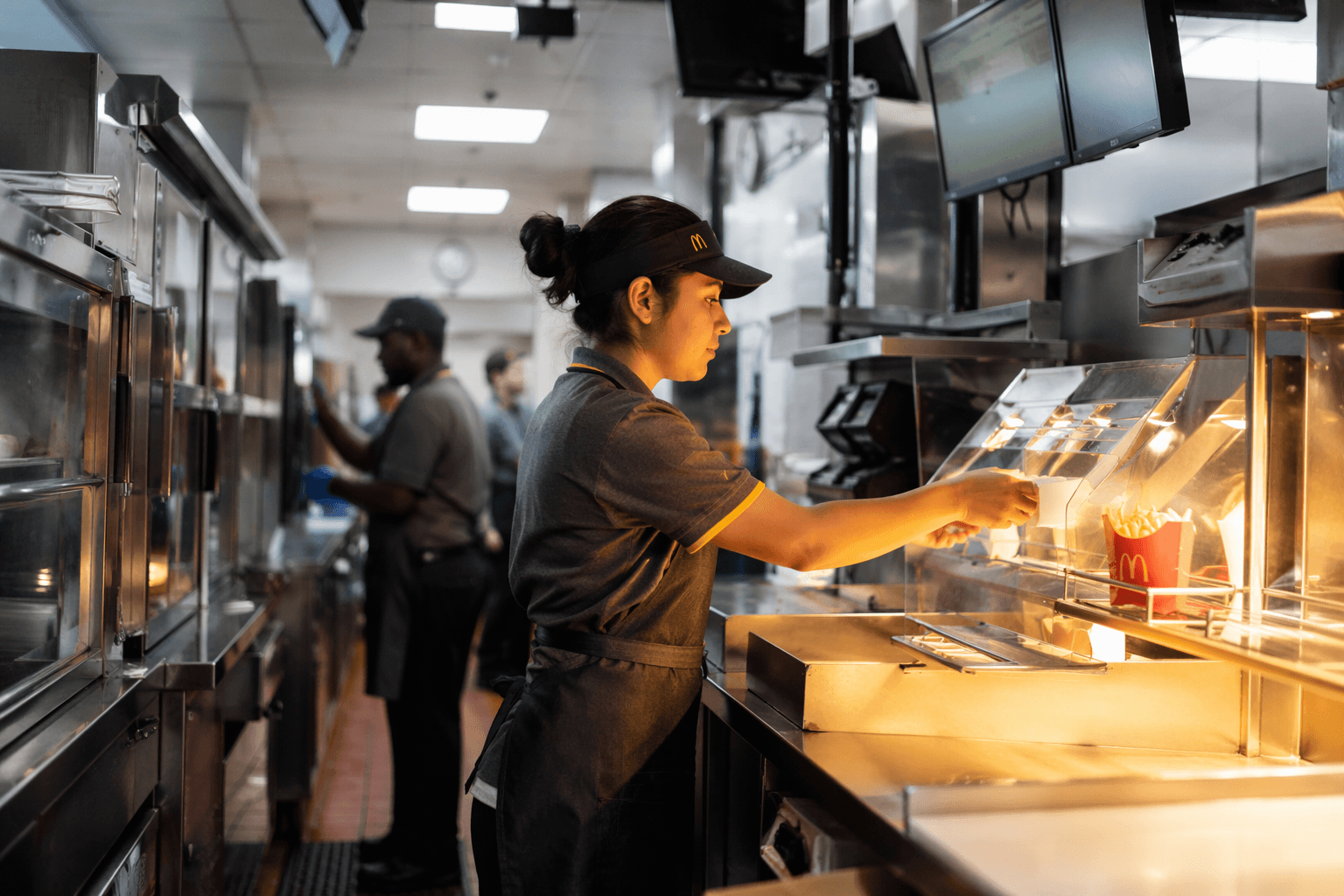
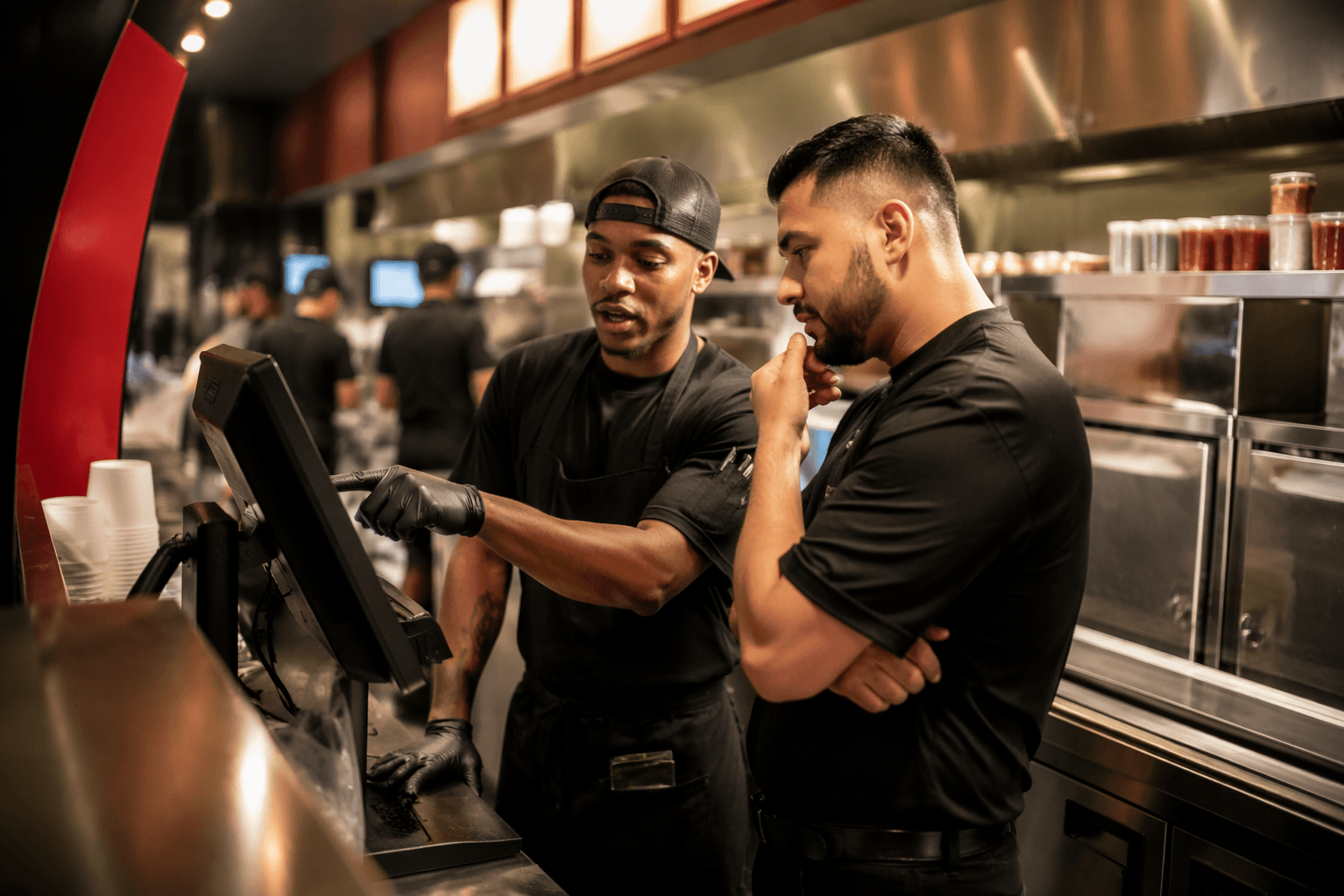
In restaurants, the line between helping out and handling tips can get blurry fast. An assistant manager running plates, a shift lead closing out checks, or a supervisor covering tables during a rush may feel like part of the crew, but the Labor Department says that does not give them a right to share in workers’ tips.
That distinction matters because one bad tip pool can turn a busy night into a wage claim. The department says employers who require tipped workers to share tips with a manager or supervisor may have to return the tips and pay the full minimum wage, a costly mistake in a business built on tight margins and high turnover.
What the Labor Department says managers cannot do
The core rule is simple: managers and supervisors may not keep employees’ tips. They also cannot receive any portion of other employees’ tips from a tip pool or a tip jar. That ban applies whether the restaurant uses a tip credit or pays the full federal minimum wage directly.
That last point is where a lot of operators get tripped up. Some managers assume the rule only matters when a restaurant is using the tip credit, but the department’s guidance says the prohibition stands either way. Even if the house is paying the full wage and not relying on tipped wages to reach the legal floor, managers and supervisors still cannot skim from the team’s tips.
The federal minimum wage remains $7.25 an hour, and the maximum federal tip credit remains $5.12 an hour. In practical terms, that means tip policy mistakes can affect both cash wages and the legality of how tips are distributed.
Who counts as a manager or supervisor for tip purposes
The Labor Department does not treat every person with a title as a manager, and it does not stop at titles alone. For tip rules, the department says the test follows the Fair Labor Standards Act executive duties standard. That test looks at whether a worker directs the work of at least two other full-time employees, or the equivalent, has authority over hiring or firing decisions or meaningful recommendations, and has a primary duty of managing the enterprise or a recognized department.
That primary-duty test is the part restaurant operators often overlook. A salaried shift lead can still count as a manager even if that person jumps on the line, serves tables when the room is slammed, or helps make drinks during a rush. In the department’s view, guest-facing work does not erase managerial status if the real job is running the operation or a department within it.
For workers, that is an important protection against the logic that “everyone pitched in, so everyone shares tips.” For operators, it is a warning that a friendly, hands-on floor manager can still be legally barred from the pool if the executive-duties test is met.
Common restaurant scenarios that should raise red flags
A lot of restaurant mistakes start with good intentions. A supervisor covers tables after two servers call out. An assistant manager runs food because the expo line is backed up. A shift lead closes out checks at the register because the dining room is slammed. None of that automatically makes the manager a tipped worker, and none of it gives the manager a lawful claim to other employees’ tips.
These are the scenarios operators should examine closely:
- A salaried floor manager is included in a server tip pool because they “helped the team.”
- An assistant manager receives cash from a tip jar at the bar or host stand.
- A shift supervisor closes checks or runs credit-card settlements and is treated like a tipped employee for the night.
- A manager who directs staff, approves schedules, or influences hiring is counted as part of the tipped staff because the restaurant is short-handed.
- A restaurant’s written policy says managers can take part in tip sharing whenever they perform service tasks.
The Labor Department’s own example is straightforward: a manager who meets the executive-duties test may still supervise workers and serve customers at the counter, but still cannot keep other employees’ tips. That is the line restaurants need to understand before a shift lead or assistant manager ends up in a tip pool by mistake.
Why this can turn into wage liability fast
The department’s tipped-employee guidance says that if a tipped employee is required to share tips with a manager or supervisor, the employer may have to return the tips and pay the full minimum wage. That is not a paperwork error. It is a wage-and-hour problem that can spread across payroll periods, locations, and job titles if the same policy is used systemwide.
The stakes are especially high in restaurants because the tipping system is already layered with tension over pay equity, staffing shortages, and burnout. Front-of-house workers often depend on tips to make up the difference between base pay and real earnings, while back-of-house staff watch from the sidelines as tip policy becomes one more point of friction. If a manager is folded into the pool, workers can lose money in a way that may not be obvious until the payroll math is done.
The Labor Department has also made clear that this is not a theoretical issue. In a 2022 enforcement action in New Hampshire, the department said restaurant employers must not divert tips to managers or supervisors in a tip pool, and that the prohibition applies even if tipped workers are paid at or above the federal minimum wage.
The legal backdrop restaurants are still living under
Congress amended the Fair Labor Standards Act in 2018 to expressly prohibit employers, including managers and supervisors, from keeping employees’ tips. The Labor Department then completed related rulemakings in 2020 and 2021 to update the regulations. The National Restaurant Association has said the tip-sharing changes took effect on April 30, 2021, a date many operators still use as the dividing line for their compliance policies.
The industry fought over the scope of those rules. In comments on a proposed rule, the Economic Policy Institute argued that loosening restrictions could let employers capture workers’ tips and estimated the proposal could have shifted about $5.8 billion a year in tips away from tipped workers nationwide. That number helps explain why the issue has stayed so contentious: a small change in tip policy can mean a huge transfer of income across the industry.
The Labor Department’s current guidance leaves restaurants with a clear operating standard. Define managerial roles carefully, train supervisors on tip handling, and make sure tip pools do not include anyone the law excludes. In a business where managers are often expected to jump in wherever the floor needs help, the law still draws a hard line: helping the service is one thing, taking a share of workers’ tips is another.
This article was produced by Prism’s automated news system from verified source data, official records, and press releases, then run through automated quality and moderation checks before publishing. The system is built and supervised by the people who set the standards it runs under. Read our full AI policy.
Know something we missed? Have a correction or additional information?
Submit a Tip